
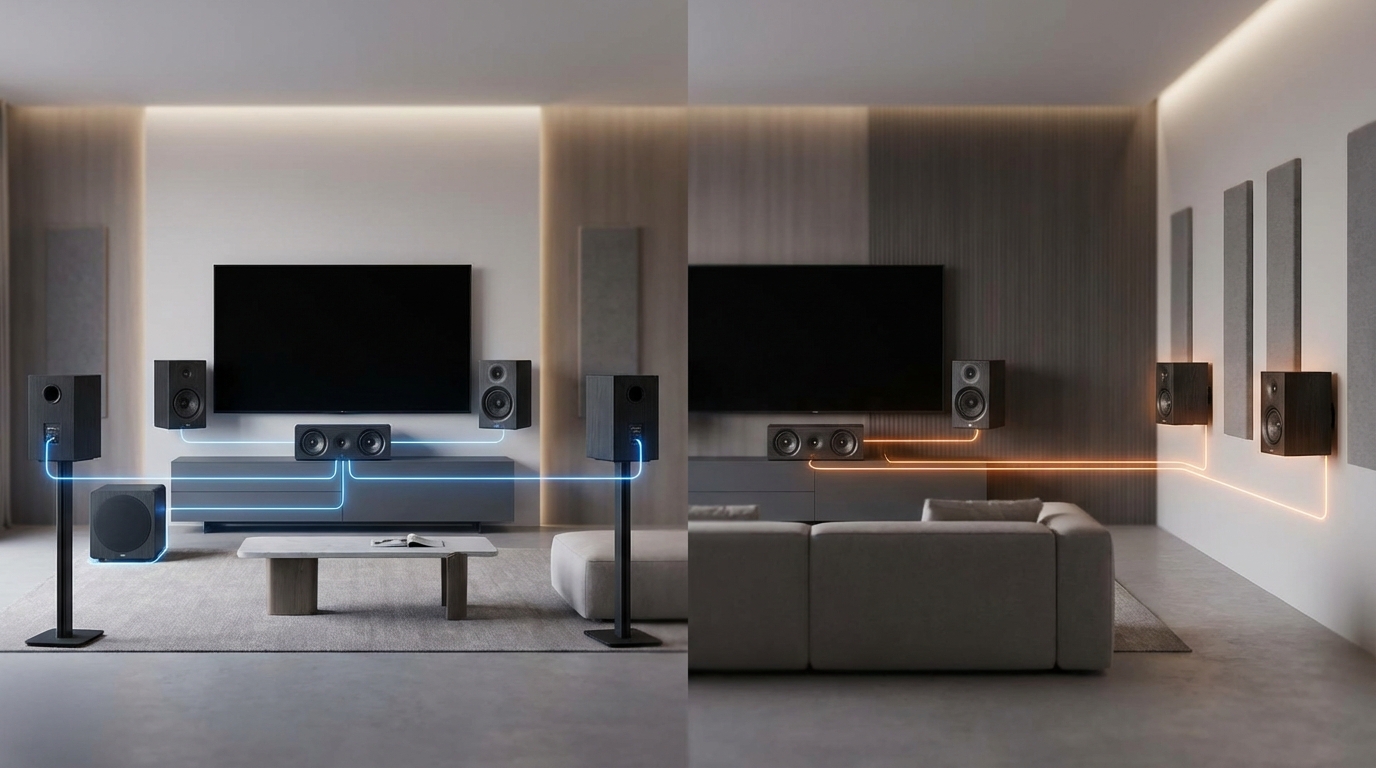
You’re standing in your living room, trying to decide between a 5.1 and 7.1 surround sound system. Both promise immersive audio, but which one actually delivers for your space and budget? The difference between these configurations comes down to two extra speakers, but the impact on your listening experience, room requirements, and wallet varies more than you might expect.
A 5.1 system uses five speakers and one subwoofer, while 7.1 adds two rear surround speakers for enhanced spatial audio. Most viewers in rooms under 300 square feet get excellent results with 5.1, while 7.1 shines in larger spaces where rear speakers can be positioned at least 8 feet behind the seating area. Budget and room layout matter more than raw speaker count.
Understanding the numbers behind surround sound
The numbering system tells you exactly what you’re getting. The first number represents full-range speakers. The second number indicates subwoofers.
A 5.1 setup includes a center channel speaker (dialogue), left and right front speakers (music and effects), two surround speakers (ambient sound), and one subwoofer (bass). This configuration has been the home theater standard since the late 1990s.
A 7.1 system adds two rear surround speakers, also called back surround or rear effects speakers. Instead of sound coming from your sides, you now have audio wrapping completely around your seating position.
The physical difference seems minor. Two extra speakers. But the spatial impact changes depending on your room dimensions and how far you sit from each speaker.
Room size determines which system works best
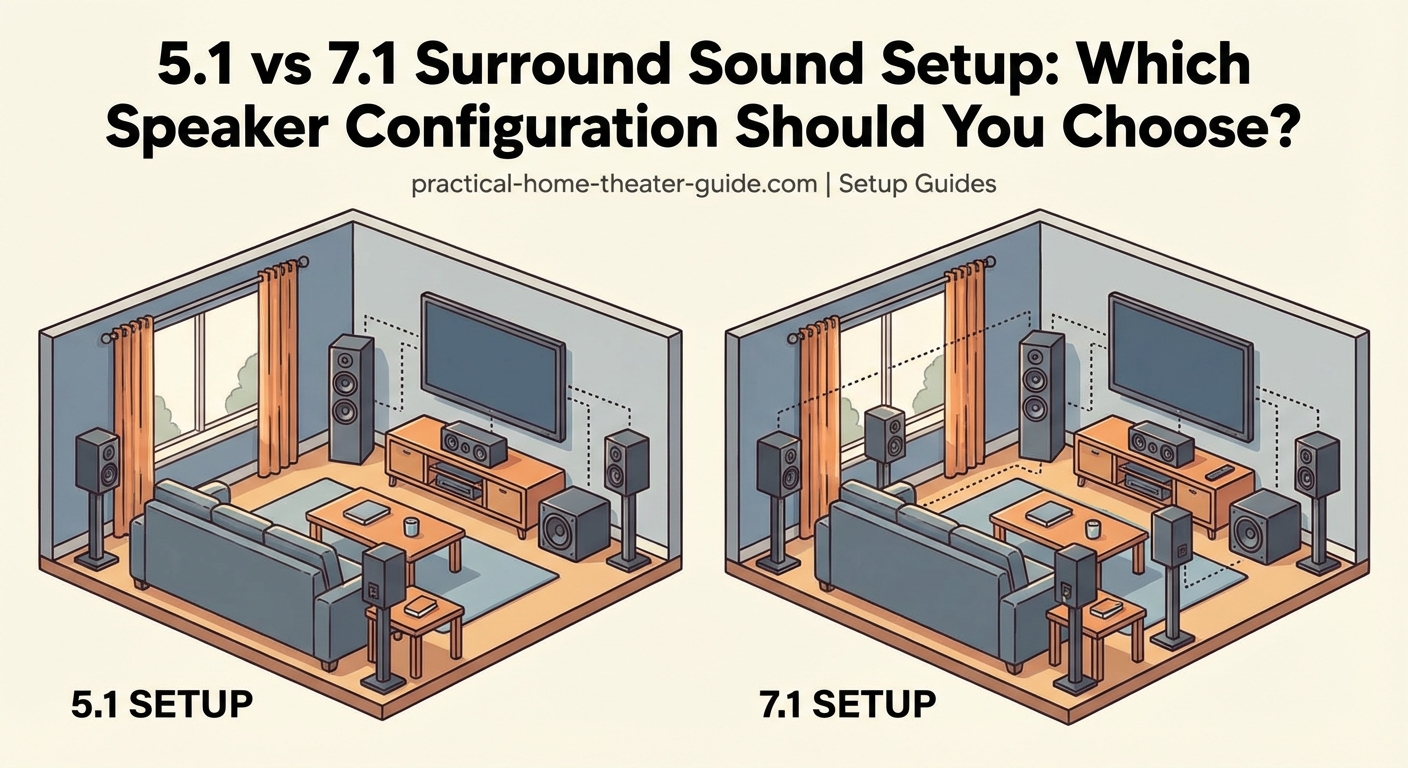
Your room dimensions matter more than any other factor when choosing between these configurations.
For rooms under 250 square feet, a 5.1 system delivers exceptional performance. The side surround speakers create plenty of immersion when they’re positioned 90 to 110 degrees from your main seat. You won’t miss the rear channels because your side speakers handle ambient effects beautifully.
Medium rooms between 250 and 400 square feet benefit most from 7.1. This size gives you enough distance to properly position rear speakers 6 to 8 feet behind your couch. The extra channels create noticeable depth during action sequences and atmospheric scenes.
Large rooms over 400 square feet make 7.1 worth the investment. The additional rear speakers prevent audio dead zones and maintain immersion across multiple seating rows.
Here’s what doesn’t work: cramming 7.1 into a small room. If your rear speakers end up only 3 feet behind your head, they’ll sound disconnected from the side surrounds. You’re better off with a well-positioned 5.1 system.
How content support affects your decision
Not all movies and shows use 7.1 audio tracks. Understanding what content actually supports each format helps you make a smarter choice.
Most streaming services deliver 5.1 audio. Netflix, Amazon Prime, Disney+, and Apple TV+ primarily use Dolby Digital Plus 5.1. Some premium titles offer Dolby Atmos, but standard 7.1 remains rare on streaming platforms.
Blu-ray discs frequently include 7.1 soundtracks, especially for action movies and sci-fi films released after 2010. If you collect physical media, you’ll have plenty of content that uses those extra channels.
Video games increasingly support 7.1, particularly on PlayStation 5 and Xbox Series X. Titles like The Last of Us Part II and Resident Evil Village use rear channels for positional audio that enhances gameplay.
Your receiver will upmix 5.1 content to 7.1 speakers, but this creates synthetic surround effects rather than discrete audio channels. It works reasonably well for movies but doesn’t match native 7.1 recordings.
A properly calibrated 5.1 system with quality speakers outperforms a mediocre 7.1 setup every time. Speaker quality and room acoustics matter more than channel count.
Budget considerations beyond speaker count
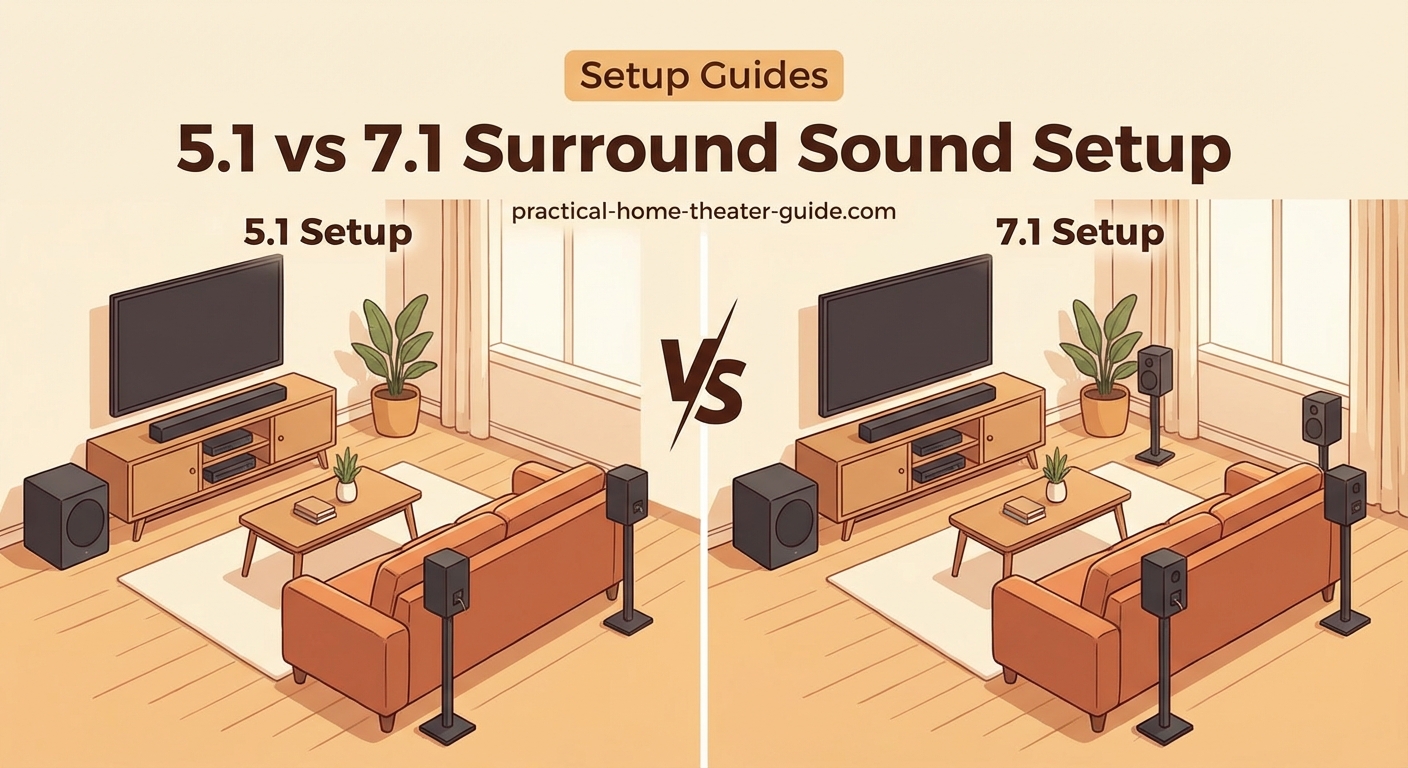
The price gap between 5.1 and 7.1 extends beyond two extra speakers.
Receiver requirements
Entry-level 5.1 receivers start around $250. Solid 7.1 receivers begin at $400 because they need more amplifier channels and processing power. You’re looking at a $150 to $200 price increase minimum.
Speaker costs
Two additional surround speakers add $150 to $600 depending on your chosen brand and quality level. Matching speakers from the same product line ensures consistent sound, but it also locks you into specific pricing.
Cable and installation
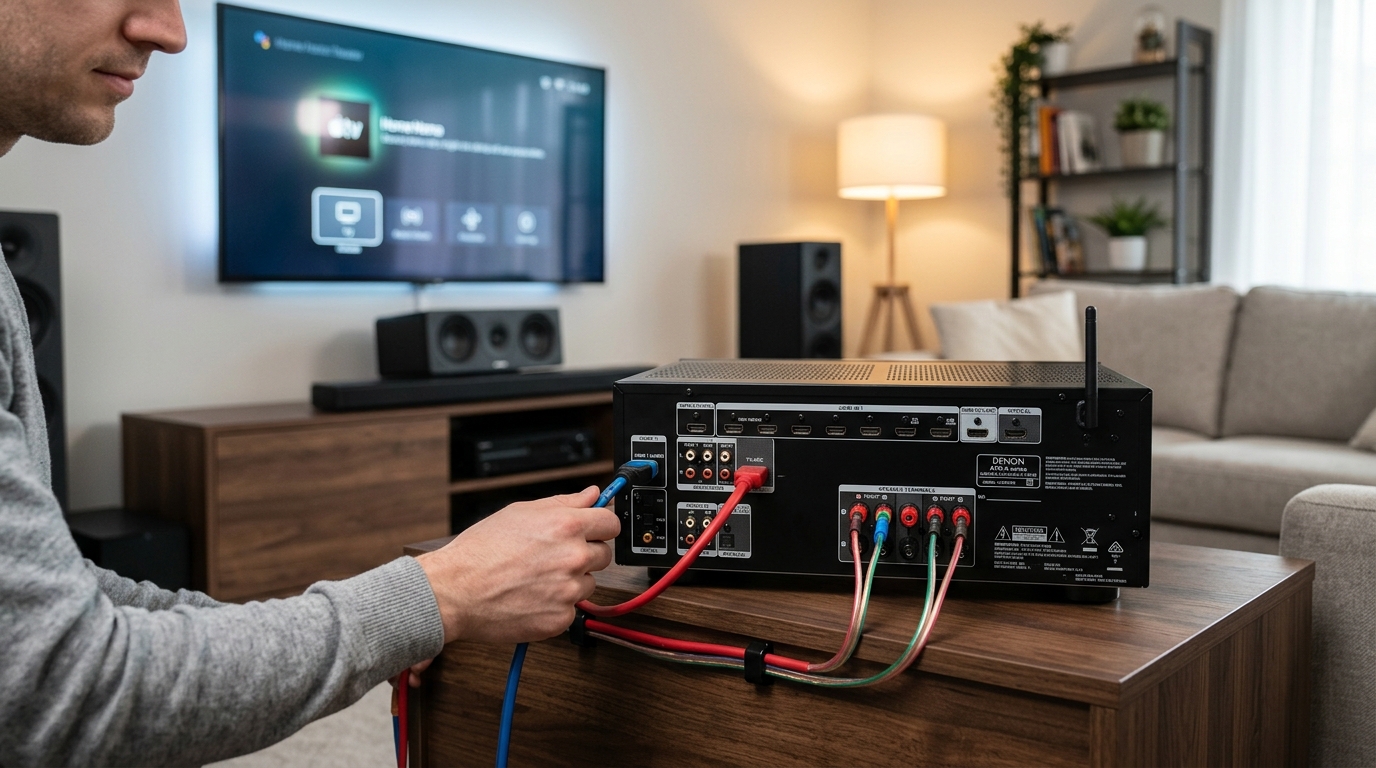
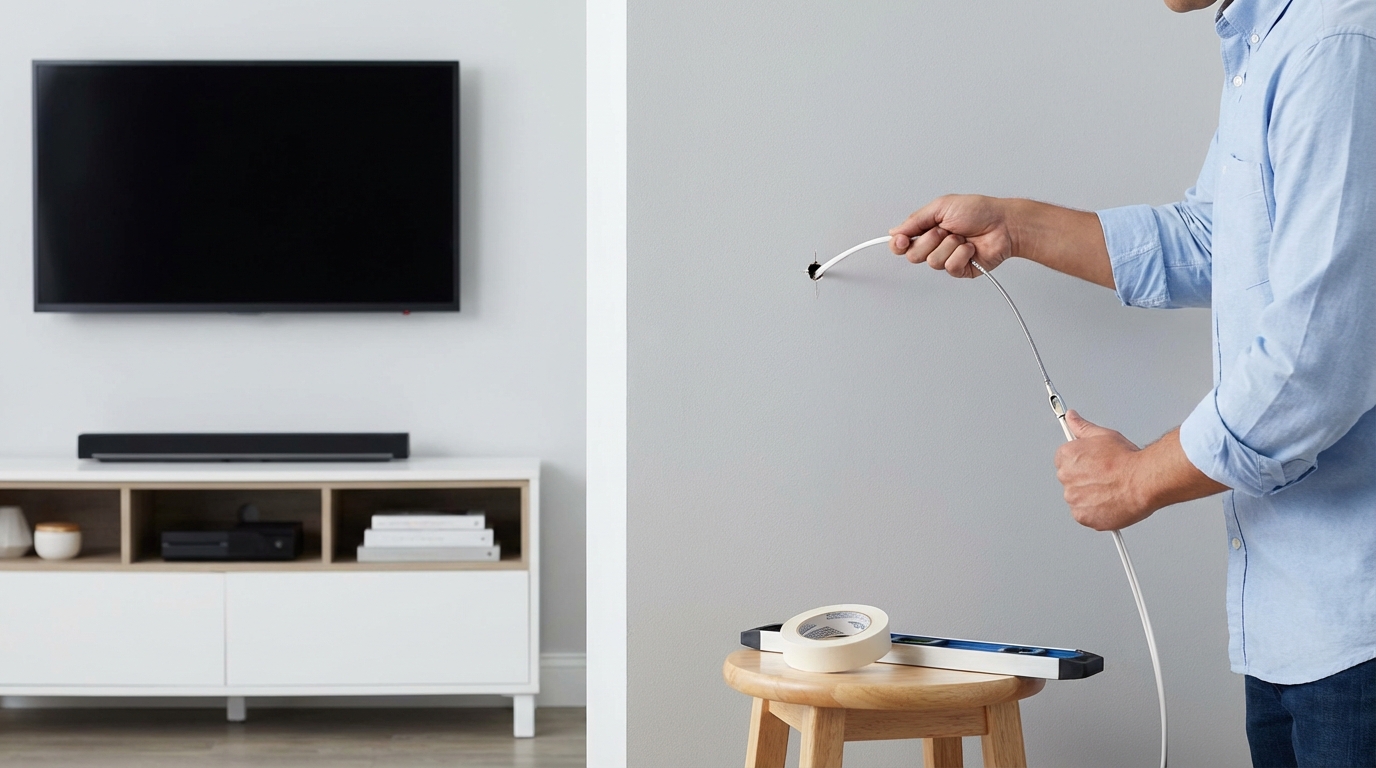
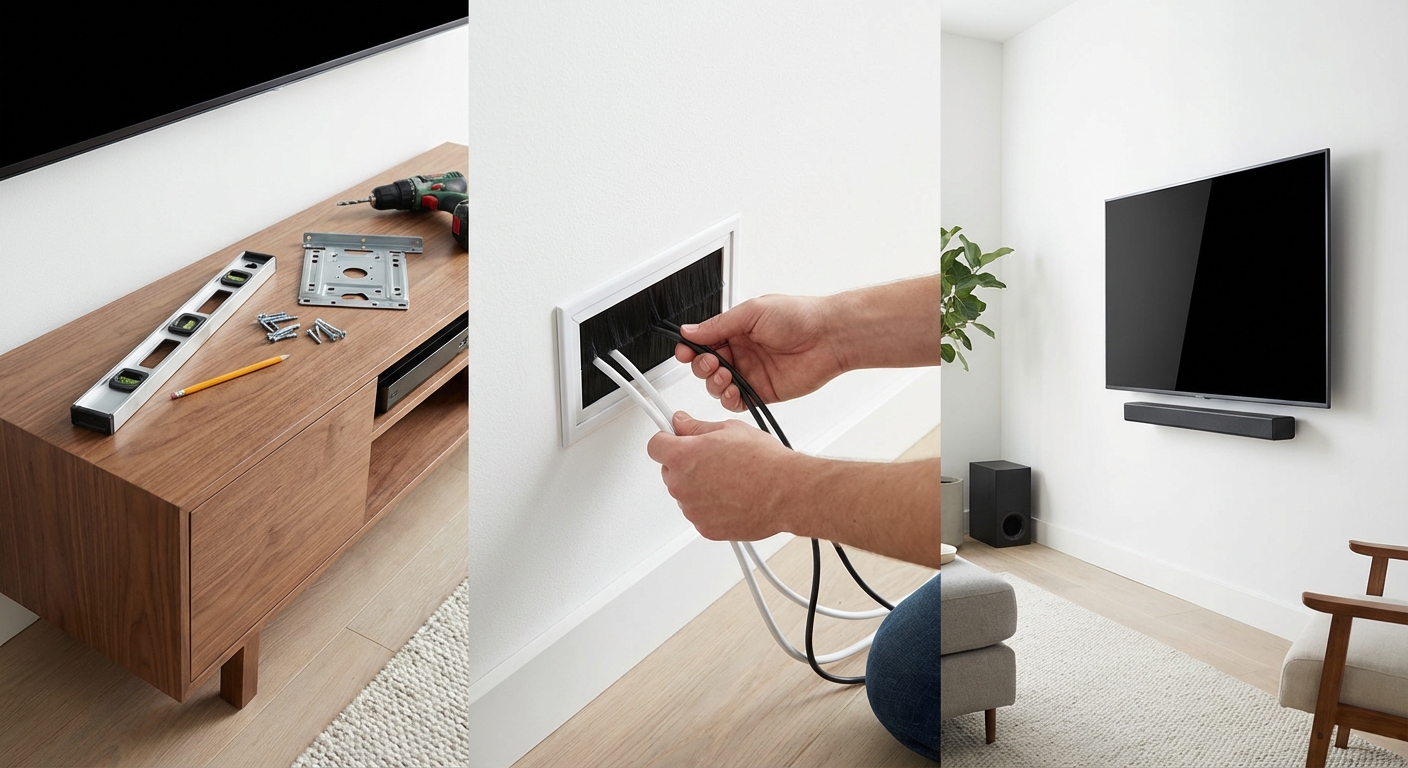
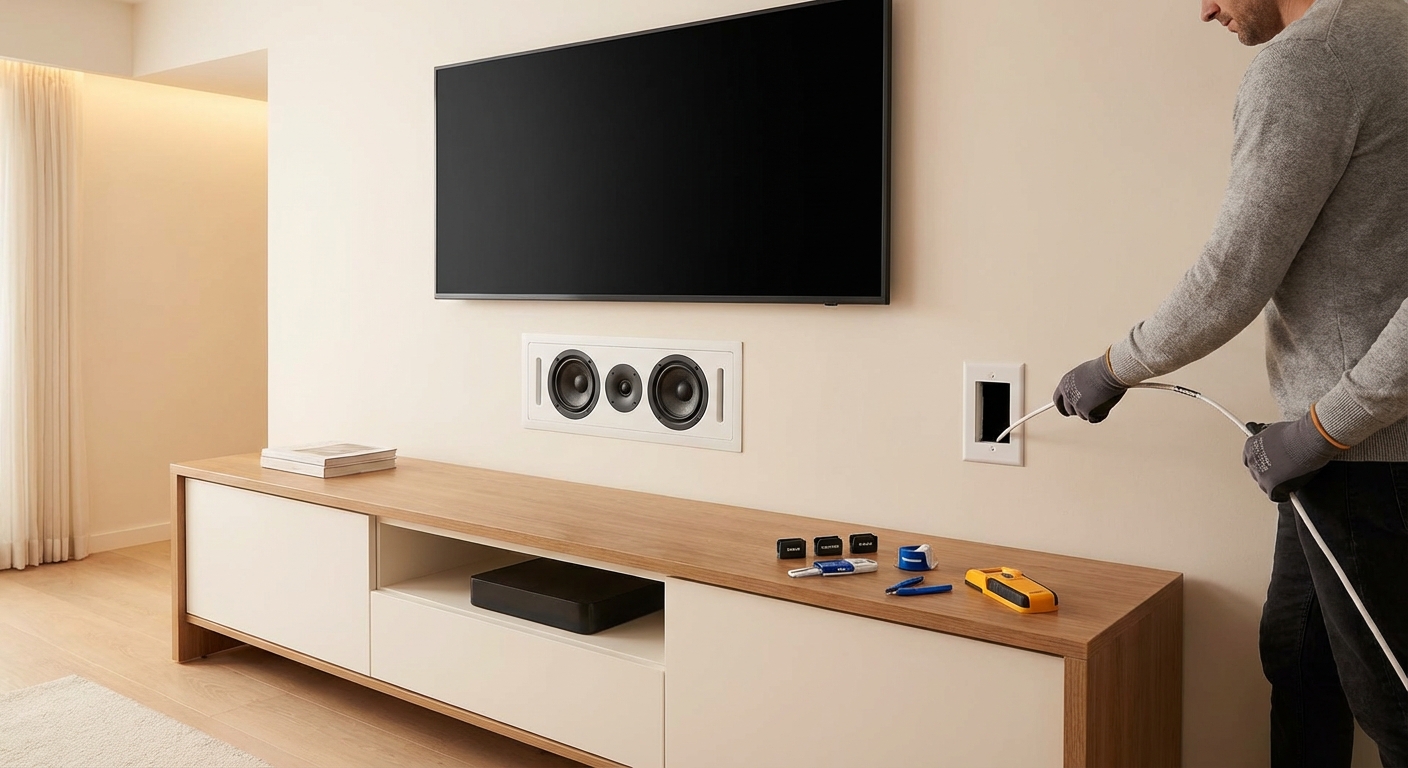
Running speaker wire to rear positions costs more in both materials and labor. If you’re hiring an installer, expect an extra $200 to $400 for the additional channels. DIY installation saves money but requires fishing cables through walls or running them along baseboards.
Long-term flexibility
A 7.1 receiver gives you room to grow. You can start with 5.1 speakers and add rear channels later. This approach spreads costs over time while maintaining upgrade potential.
| Configuration | Minimum Budget | Mid-Range Budget | Premium Budget |
|---|---|---|---|
| 5.1 System | $600 – $800 | $1,200 – $2,000 | $3,000+ |
| 7.1 System | $900 – $1,200 | $1,800 – $3,000 | $4,500+ |
| Receiver Upgrade | +$150 – $200 | +$300 – $500 | +$800+ |
| Installation (Pro) | $300 – $500 | $500 – $800 | $1,000+ |
Speaker placement challenges with each setup
Getting speaker positions right makes or breaks your surround experience.
5.1 placement basics
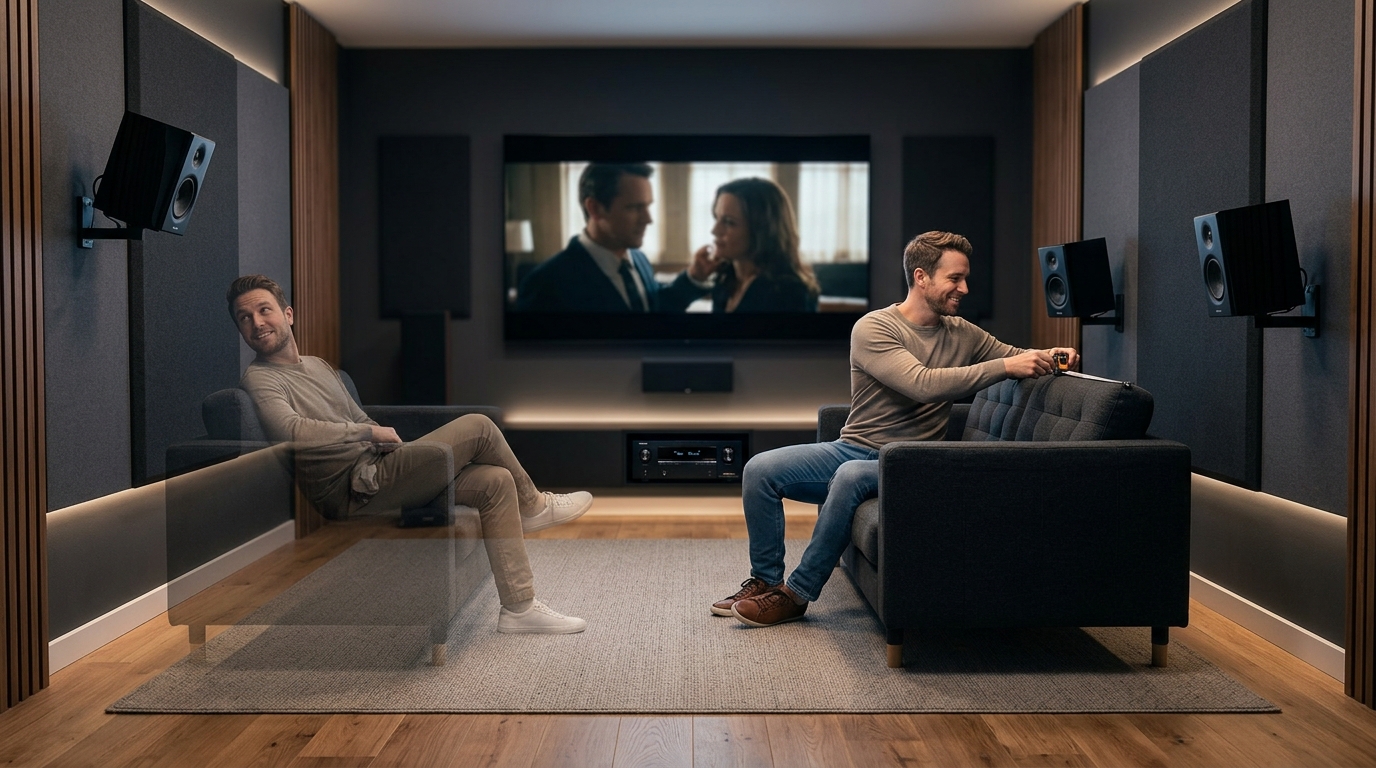
Your side surround speakers should sit 90 to 110 degrees from your center seat, slightly above ear level. This creates an enveloping soundfield without pinpointing specific speakers. Most rooms accommodate this arrangement without major furniture rearrangement.
The center channel goes directly above or below your TV. Front left and right speakers flank your screen at equal distances. The subwoofer can go almost anywhere, though corner placement typically maximizes bass output.
7.1 placement requirements
Side surrounds move forward to 90 degrees (directly beside you). Rear surrounds position at 135 to 150 degrees, creating a complete circle of sound. This demands more wall space and often conflicts with doorways, windows, or furniture.
Many living rooms can’t accommodate ideal 7.1 placement. If your couch sits against the back wall, rear speakers have nowhere to go. Wall mounting above and behind works but reduces effectiveness.
Common placement mistakes
- Placing all surround speakers at the same height creates a flat soundstage
- Mounting rear speakers too close together narrows the sweet spot
- Angling speakers incorrectly causes phase issues and muddled dialogue
- Skipping receiver calibration wastes proper speaker positioning
Performance differences you’ll actually notice
The real-world difference between 5.1 and 7.1 varies by content type and listening habits.
Movie watching
Action films with complex sound design benefit most from 7.1. Helicopter flyovers, bullets whizzing past, and environmental ambience gain depth with discrete rear channels. Dramas and comedies show minimal improvement because they rely heavily on center channel dialogue.
Music listening
Most music comes in stereo or 5.1 at best. Your receiver can create a 7.1 listening mode, but it’s processing trickery rather than authentic surround mixing. Dedicated music listeners often prefer high-quality bookshelf speakers over adding rear channels.
Gaming immersion
Modern games use positional audio engines that truly shine with 7.1. Hearing footsteps behind you in competitive shooters or rain falling all around you in adventure games adds genuine value. If gaming represents 50% or more of your usage, 7.1 makes more sense.
Sports and live events
Crowd noise and stadium atmosphere spread nicely across 7.1 systems. You feel surrounded by the audience rather than having ambient sound come only from your sides. This matters more for football and basketball than golf or tennis.
When 5.1 is the smarter choice
Several scenarios make 5.1 the better investment regardless of budget.
- Your room measures under 250 square feet
- The couch sits against the back wall with no space for rear speakers
- You primarily watch streaming content rather than Blu-rays
- Budget constraints limit total system cost to under $1,500
- Apartment living restricts speaker placement options
- You plan to upgrade to Dolby Atmos within two years (height channels matter more than rear channels)
Starting with excellent 5.1 speakers beats mediocre 7.1 every time. You can always add rear channels later if your receiver supports 7.1 processing.
When 7.1 delivers real value
Specific situations justify the extra investment in two additional channels.
- Your dedicated theater room exceeds 300 square feet
- Multiple seating rows need consistent coverage
- You own an extensive Blu-ray collection with 7.1 soundtracks
- Gaming represents your primary entertainment activity
- Your receiver already supports 7.1 and you’re only buying speakers
- Room layout naturally accommodates rear speaker placement
- You want maximum future-proofing before Atmos upgrades
The performance gap widens in larger rooms with proper acoustic treatment. If you’ve invested in bass traps, acoustic panels, and room calibration, 7.1 lets you hear the benefits of that work.
Making the decision work for your situation
Choose based on your actual room, content, and priorities rather than theoretical maximums.
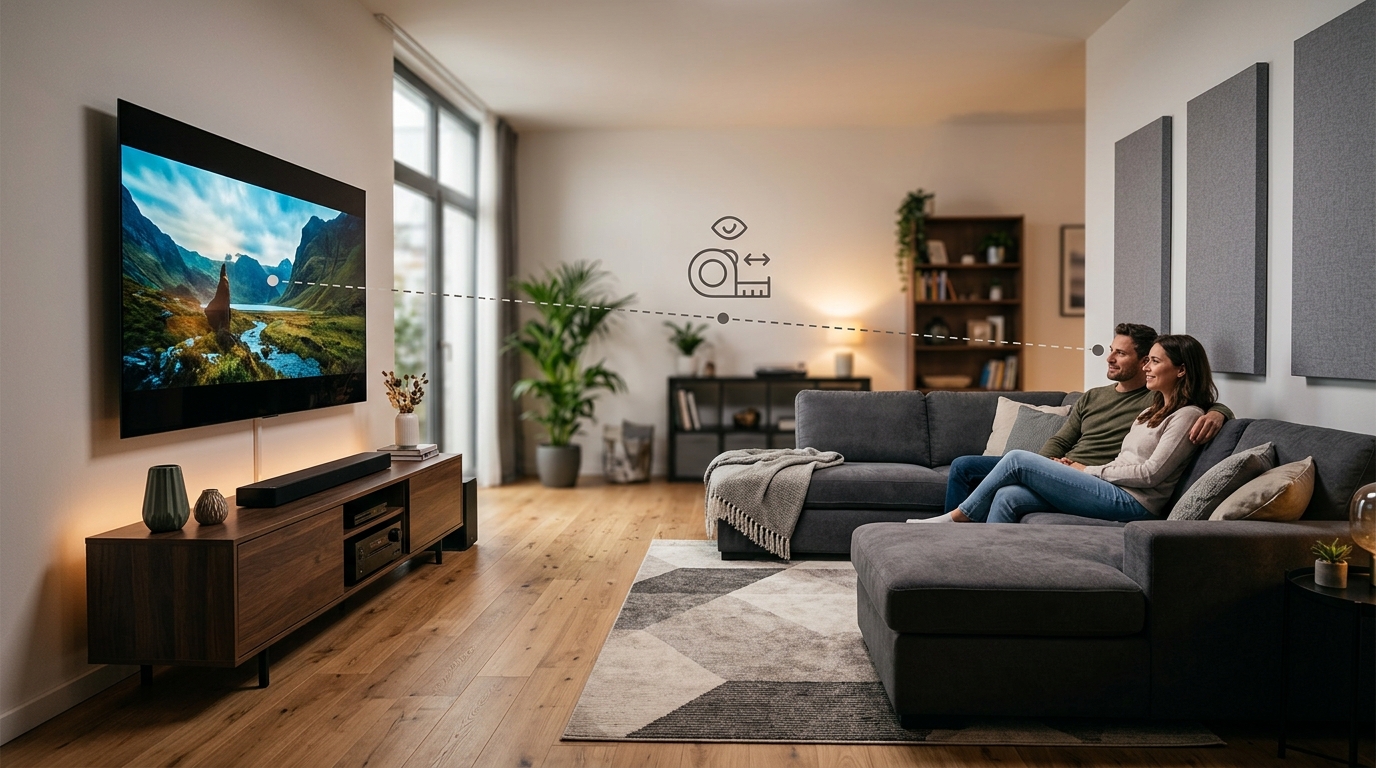
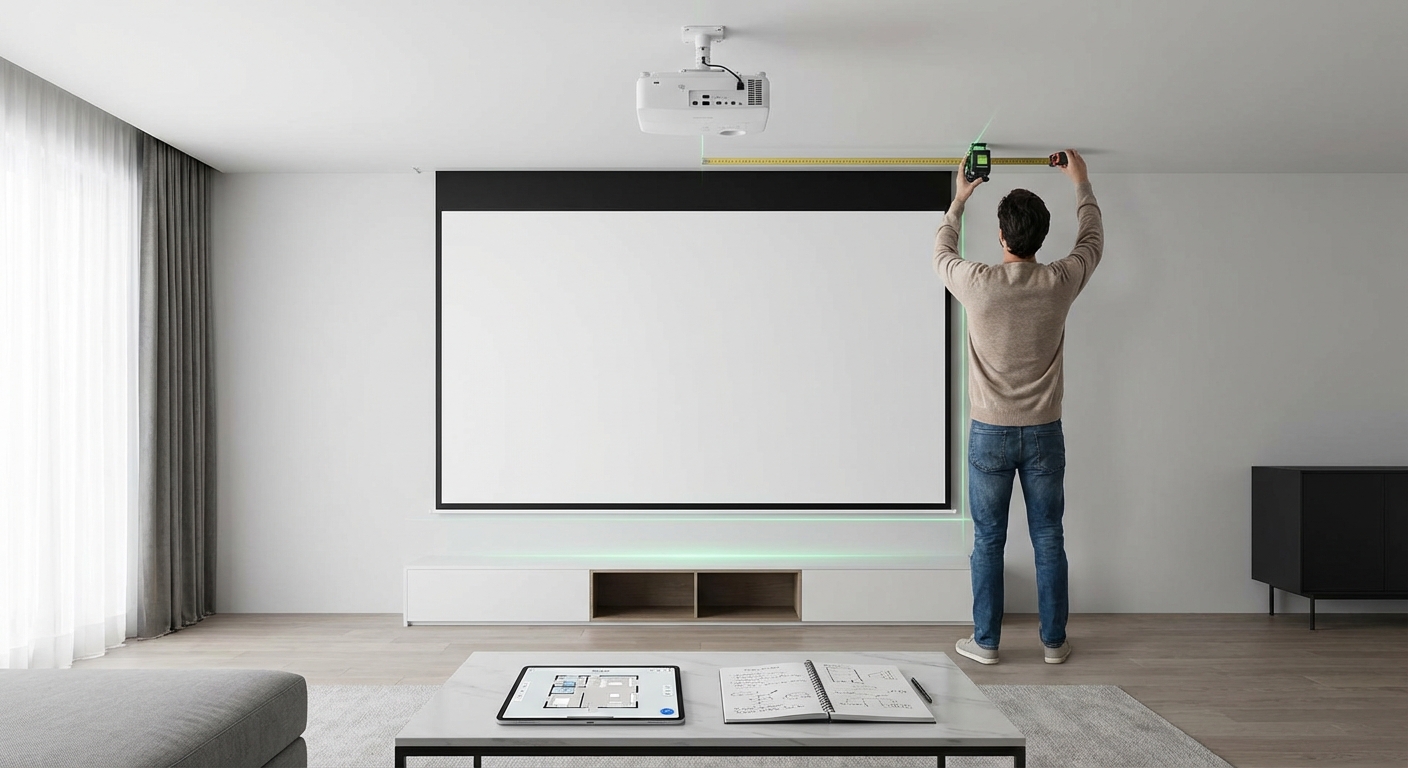
Measure your room carefully. Mark potential speaker locations on paper. Identify obstacles like doorways, windows, and furniture that limit placement options. This reality check prevents buying a system your room can’t support.
Consider your upgrade path. A 7.1 receiver running 5.1 speakers costs only slightly more than a dedicated 5.1 receiver. This preserves flexibility without forcing immediate speaker purchases.
Test before committing. Many retailers offer 30 to 60 day return windows. Set up your system, watch varied content, and assess whether those rear channels genuinely improve your experience.
Your decision checklist:
- Room size supports proper speaker spacing
- Budget accommodates quality speakers, not just quantity
- Content library includes 7.1 source material
- Seating position allows rear speaker placement
- Long-term plans align with system capabilities
Getting the most from whichever system you choose
Both configurations deliver excellent home theater experiences when set up correctly.
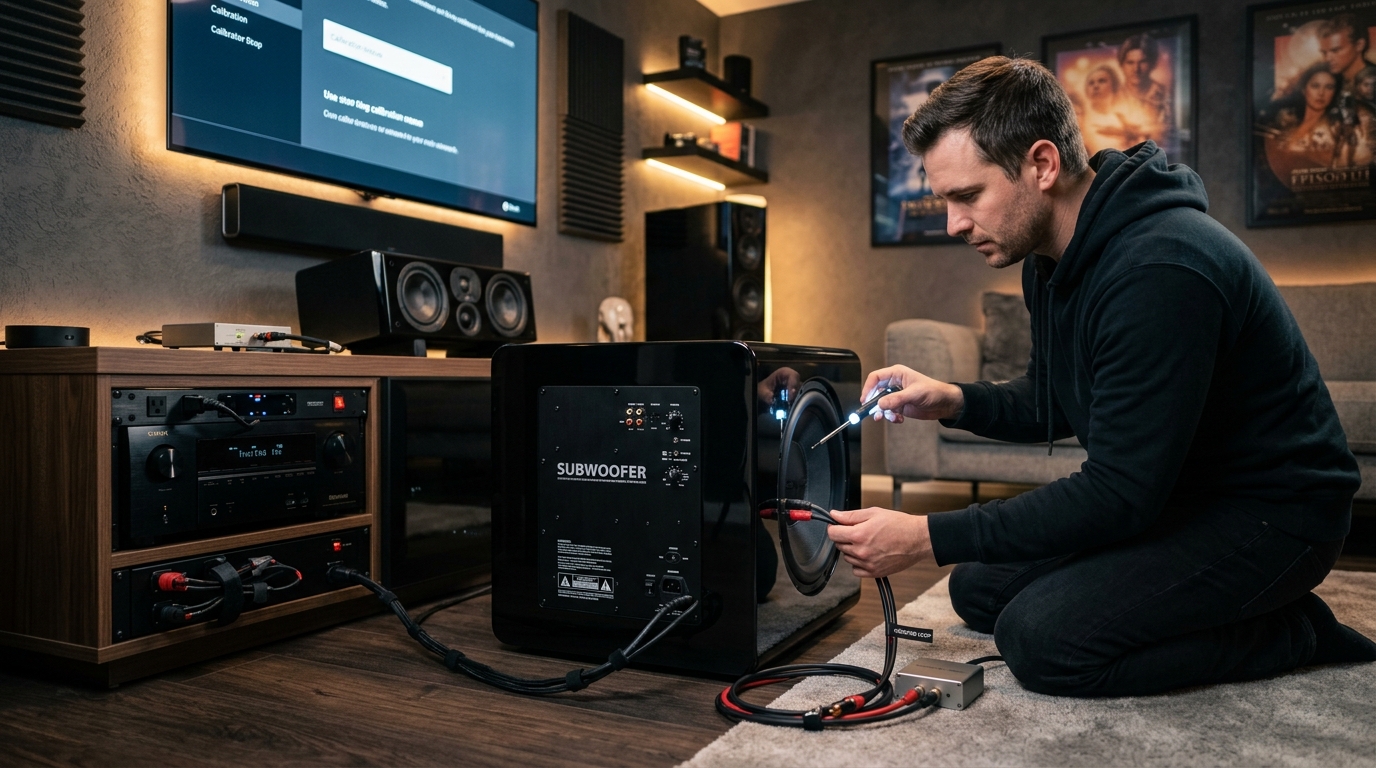
Run your receiver’s automatic calibration multiple times. Systems like Audyssey, YPAO, and Dirac measure speaker distances, levels, and room acoustics. The initial calibration rarely gets everything perfect. Run it three times and average the results for better accuracy.
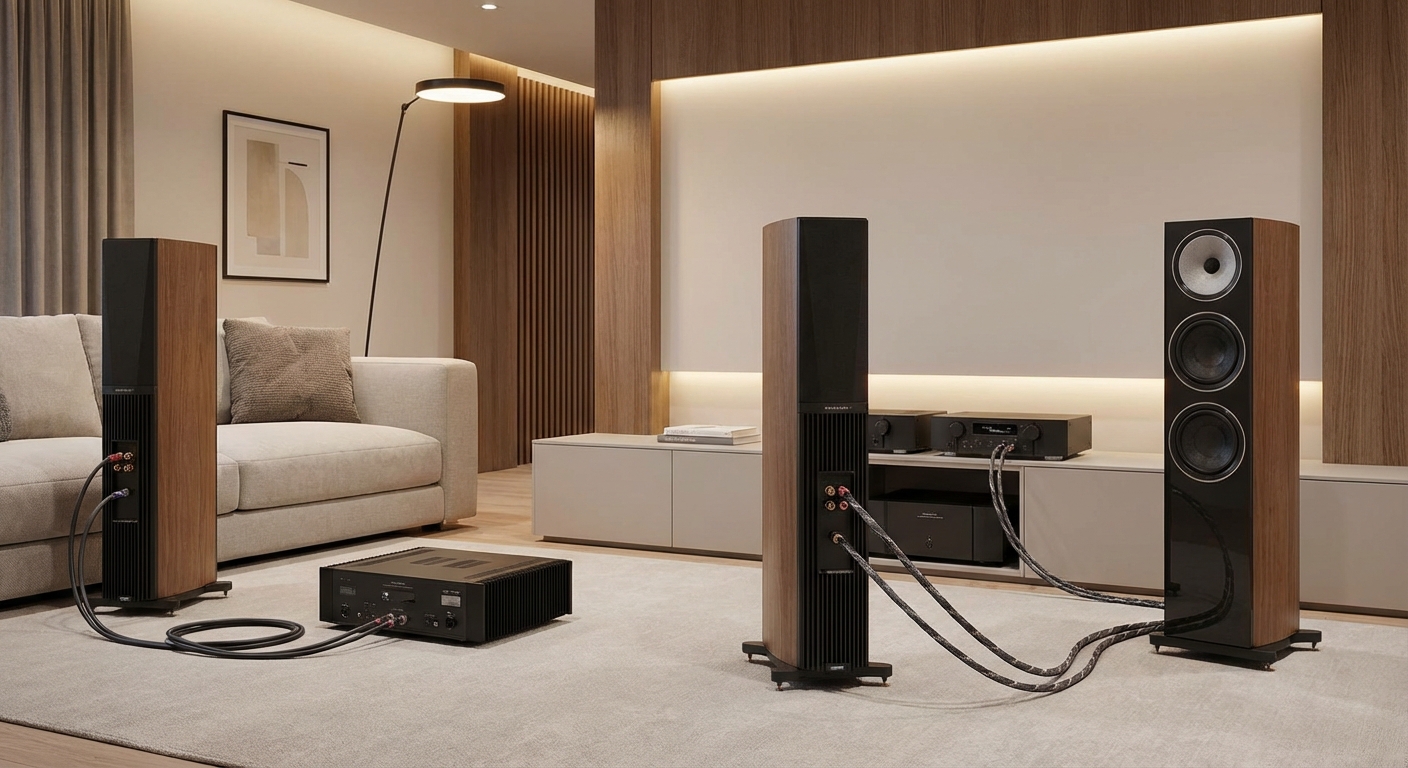
Invest in speaker stands or proper mounts. Bookshelf speakers sitting directly on furniture sound muddy. Stands position tweeters at ear level and reduce vibration transfer. Budget $50 to $150 for decent stands.
Use quality speaker cable. You don’t need exotic $500 cables, but thin 22-gauge wire limits performance. Sixteen-gauge oxygen-free copper cable costs under $1 per foot and ensures proper signal transfer.
Position your subwoofer using the crawl test. Place the sub in your main seat, play bass-heavy content, then crawl around the room listening for the spot with the smoothest, deepest bass. Put your sub there.
Update your receiver’s firmware regularly. Manufacturers fix bugs, improve room correction algorithms, and add features through software updates. Check every few months for new releases.
Finding your perfect surround sound match
The right system fits your room, content, and budget without compromise. A thoughtfully chosen 5.1 setup delivers years of enjoyment and costs less than a poorly planned 7.1 configuration that never quite works in your space.
Start with your room dimensions and seating layout. Let physical reality guide your decision rather than marketing claims about channel counts. Add those rear speakers when they genuinely improve your experience, not because bigger numbers sound more impressive. Your ears will thank you every time you press play.

Leave a Reply