Category: Setup Guides

  • How to Run Speaker Wire Through Walls Without Damaging Your Home

    How to Run Speaker Wire Through Walls Without Damaging Your Home

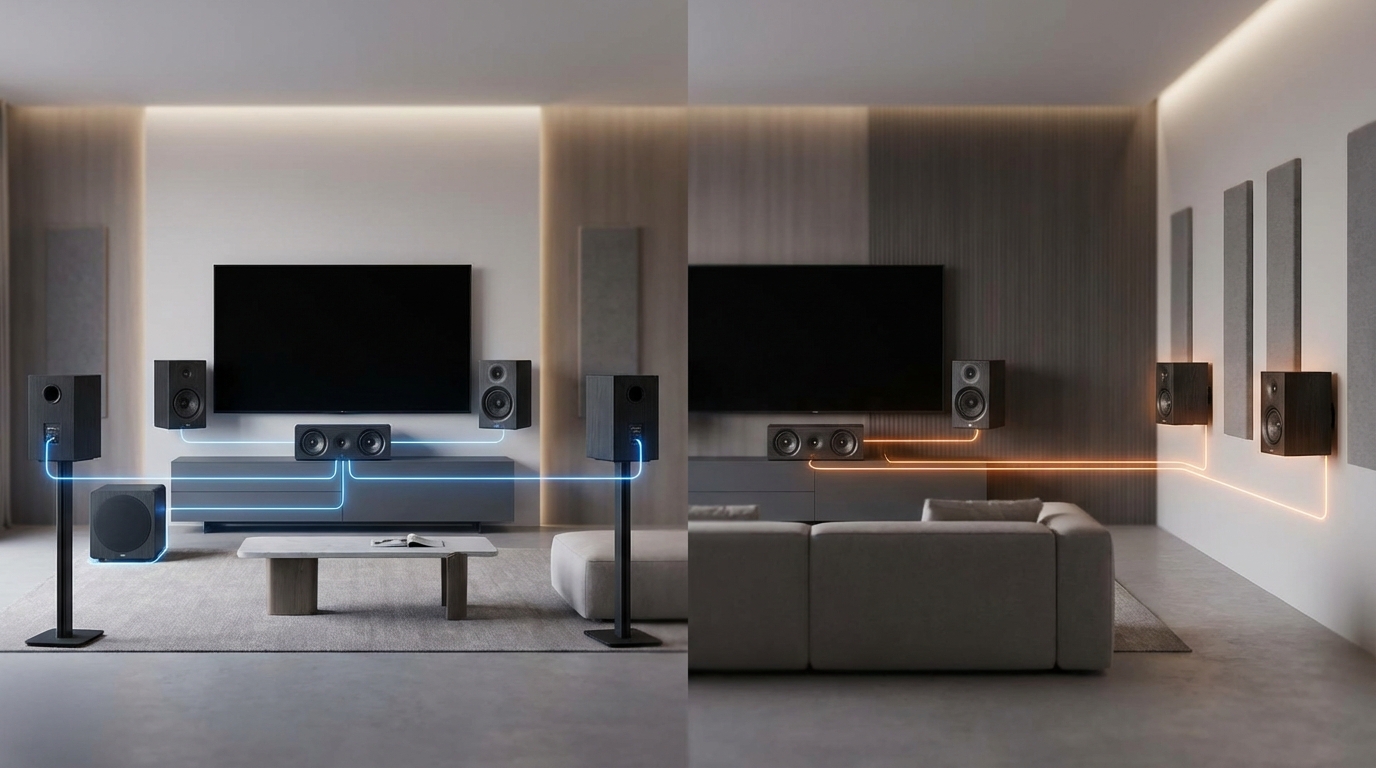
    You’ve bought the speakers. You’ve planned the layout. Now you’re staring at your walls wondering how to connect everything without turning your living room into a construction zone.

    Running speaker wire through walls isn’t rocket science, but it does require the right approach. Do it correctly and you’ll have invisible connections that make your home theater look professionally installed. Rush through it and you might punch holes in the wrong places, damage electrical wiring, or create a fire hazard.

    Key Takeaway

    Running speaker wire through walls requires planning your route, using the right tools like fish tape and stud finders, drilling proper access holes, and following electrical codes. The process takes 2-4 hours per speaker pair but creates clean, professional-looking installations. Always check for existing wiring and plumbing before drilling, use CL2 or CL3 rated wire inside walls, and consider hiring an electrician if you’re uncertain about what’s behind your drywall.

    What You Need Before You Start

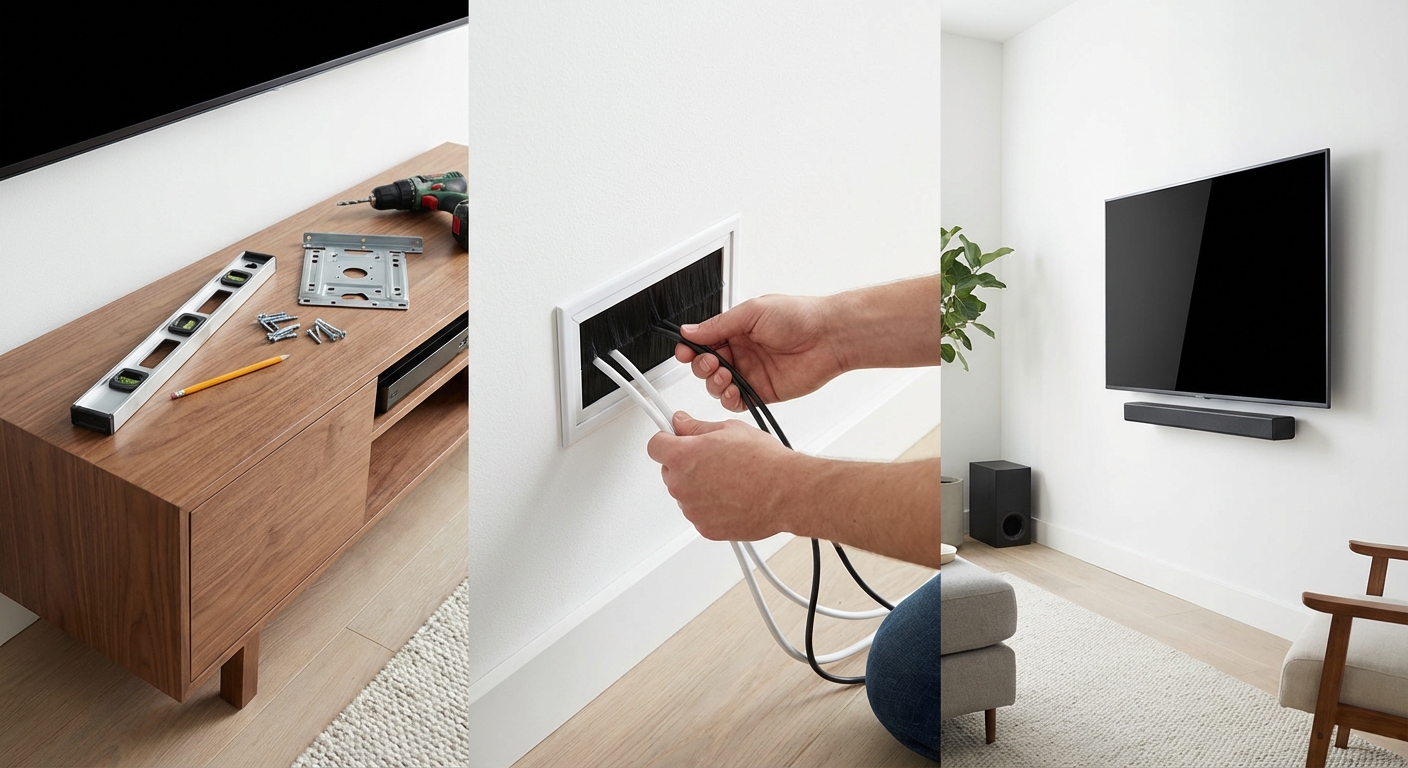
    Gather your tools first. You’ll save yourself multiple trips to the hardware store.

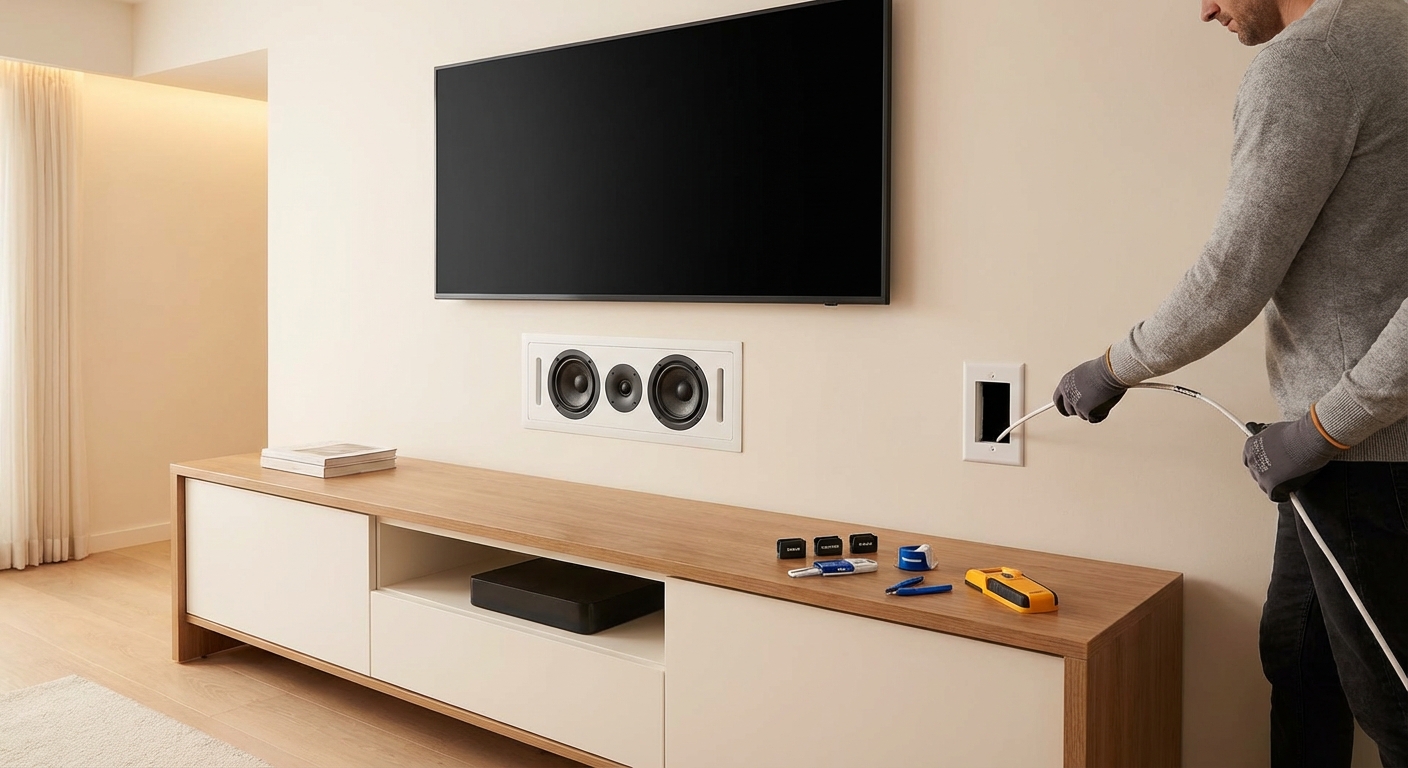
    Here’s what belongs in your kit:

    • Stud finder with AC wire detection
    • Drill with 3/4-inch spade bit
    • Fish tape or glow rods (at least 25 feet)
    • Flashlight or headlamp
    • Painter’s tape
    • Pencil
    • Drywall saw
    • CL2 or CL3 rated speaker wire
    • Low-voltage mounting brackets (optional but recommended)
    • Voltage tester

    The stud finder is non-negotiable. Modern ones detect both wood studs and live electrical wires. Spend the extra $30 for a decent model. It’ll prevent you from drilling into a power line.

    CL2 and CL3 rated wire is designed for in-wall use. The jacket resists fire better than standard speaker cable. Most building codes require it for anything running inside walls or ceilings.

    Planning Your Wire Route

    Walk the path your wire needs to travel. Start at your receiver and trace an imaginary line to each speaker location.

    Look for obstacles:

    • Light switches and outlets (wiring runs vertically from these)
    • HVAC vents and ductwork
    • Plumbing pipes (usually in exterior walls and bathrooms)
    • Fire blocks (horizontal 2x4s in some walls)

    The easiest routes run along exterior walls or through unfinished basements and attics. Interior walls often contain more surprises.

    Measure the distance and add 25% extra length. Wire routes rarely run perfectly straight once you account for studs and corners.

    “I always run my hand along the wall feeling for temperature differences before I drill. Cold spots often mean insulation or ductwork behind the drywall. Hot spots near floors can indicate heating pipes.” – Licensed electrician with 15 years of home theater installations

    Step-by-Step Installation Process

    1. Mark Your Entry and Exit Points

    Use painter’s tape to mark where wire enters and exits the wall. Place marks about 12 inches above baseboards for floor-level speakers or near the ceiling for elevated speakers.

    Check these spots with your stud finder. You want to drill between studs, not through them.

    Mark the stud locations with tape so you don’t forget mid-project.

    2. Cut Access Holes

    For new construction or major renovations, you can cut larger holes and patch later. For minimal damage, drill 3/4-inch holes.

    Position your drill bit perpendicular to the wall. Drill slowly. Stop immediately if you feel unexpected resistance.

    The hole at your starting point (usually near your AV receiver) should be large enough to feed wire through easily. The hole at your endpoint needs to accommodate your connector or allow the wire to exit.

    3. Fish the Wire

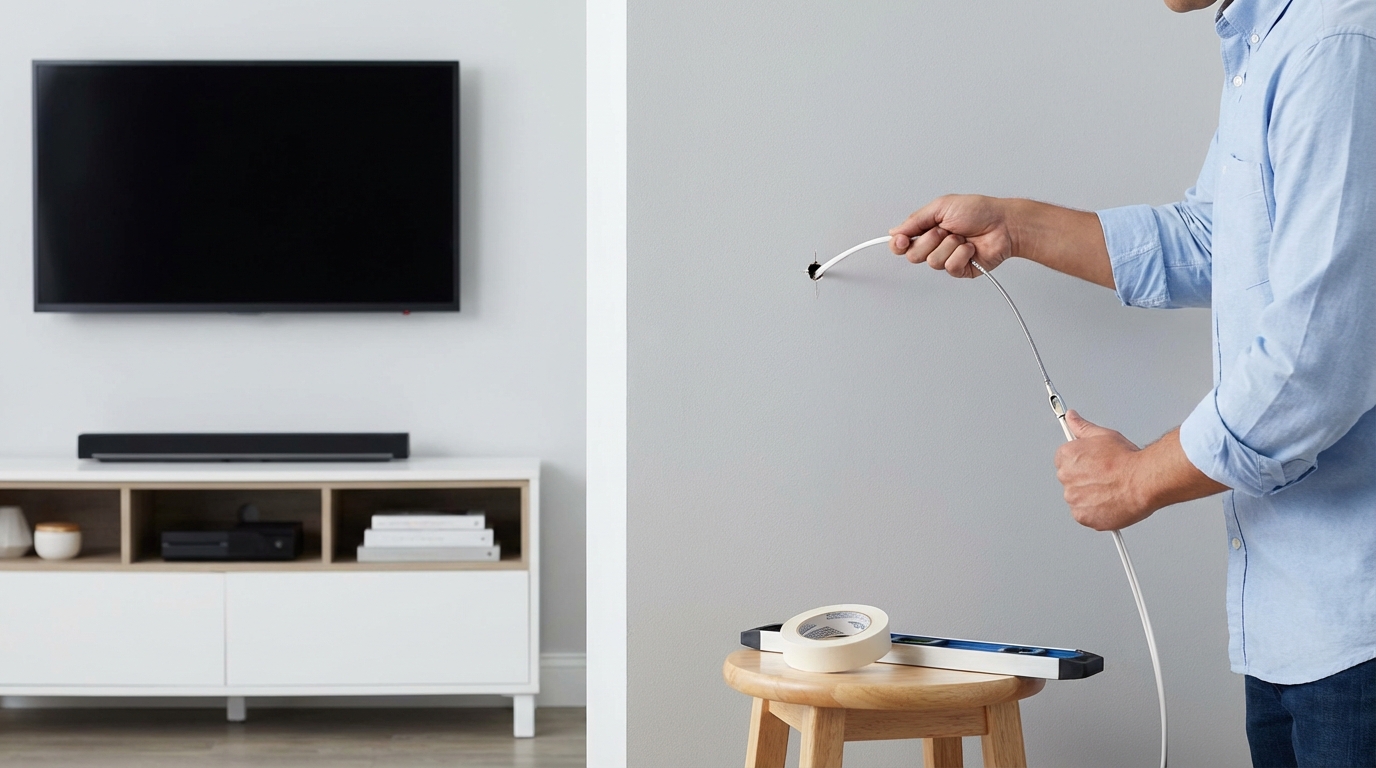
    This is where patience pays off. Push your fish tape into the entry hole and work it toward the exit hole.

    If you hit a fire block (you’ll feel solid resistance about halfway up), you have two options:

    1. Cut a small access hole at the block location, drill through it, and patch the hole later
    2. Reroute your wire along a different path

    Attach your speaker wire to the fish tape using electrical tape. Wrap it tight so it doesn’t snag on insulation or rough wood.

    Pull slowly and steadily. Jerking the tape can disconnect your wire or damage the fish tape.

    4. Leave Service Loops

    Pull 12-18 inches of extra wire at each end. This slack lets you reposition speakers or repair connections later without rerunning the entire wire.

    Coil the excess neatly behind your speaker or equipment rack. Secure it with velcro straps, never staples or nails that could pierce the insulation.

    Common Mistakes and How to Avoid Them

    Mistake Why It Happens Better Approach
    Drilling into electrical wiring Skipping the stud finder scan Always scan twice with AC detection on
    Using standard speaker wire in walls Trying to save $20 on cable Buy CL2/CL3 rated wire from the start
    Stapling wire to studs Thinking it needs support Let wire rest naturally or use proper brackets
    Forgetting wire gauge Not calculating distance Use 16-gauge for runs under 50 feet, 14-gauge for longer
    Patching holes before testing Assuming everything works Test all connections before closing walls

    The stapling mistake is particularly common. Metal staples can pierce wire insulation over time, especially if the wire shifts from temperature changes. If you need to secure wire to framing, use plastic cable staples designed for low-voltage applications.

    Working With Different Wall Types

    Drywall is the easiest material for running wire. It cuts cleanly and patches simply.

    Plaster walls require more care. They’re harder and more brittle. Use a carbide bit and drill at lower speeds. Consider cutting a small square access hole with an oscillating tool rather than drilling blind.

    Brick or concrete exterior walls need a different strategy. Run wire through the attic or basement instead of trying to penetrate masonry. If you must go through brick, rent a hammer drill and use appropriate masonry bits.

    Mobile homes often have thinner walls with less space between interior and exterior surfaces. Fish tape can punch through the exterior siding if you’re not careful. Work slowly and use less force.

    Code Requirements You Should Know

    Most jurisdictions follow the National Electrical Code for low-voltage wiring. Key points:

    • Speaker wire must be rated for in-wall use (CL2, CL3, or CM)
    • Wire cannot share the same stud cavity as high-voltage electrical unless separated by a barrier
    • Penetrations through fire-rated walls need fire-stopping caulk
    • Some areas require permits for any work that involves drilling through wall plates

    Call your local building department before starting. A five-minute phone call can save you from having to redo work during a home sale inspection.

    Renters should always get written permission before running wire through walls. Consider surface-mounted cable raceways as an alternative. They’re removable and don’t require drilling.

    Tools That Make the Job Easier

    A basic fish tape costs $15 and works fine for simple runs. Glow rods cost $40-60 but handle corners and longer distances better. They’re rigid enough to push through insulation but flexible enough to navigate around obstacles.

    Magnetic wire pulling systems use magnets to guide wire through walls without access holes. They cost $100+ but shine in finished spaces where you can’t easily cut access holes.

    Inspection cameras on flexible cables let you see inside walls before drilling. Harbor Freight sells adequate models for $30. Professional versions with better resolution and longer cables run $200+.

    A right-angle drill attachment helps when working in tight spaces near corners or ceilings. Standard drills often don’t fit.

    Testing Before You Finish

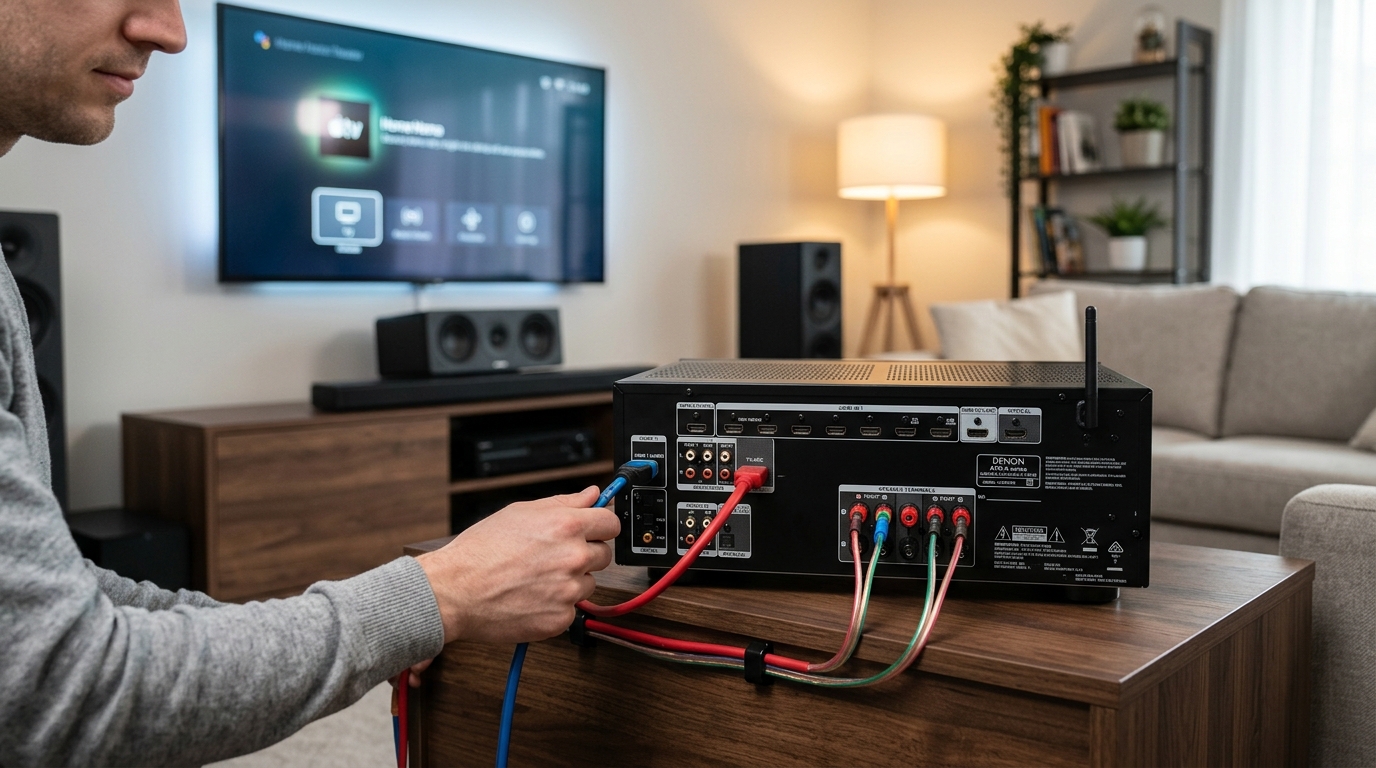
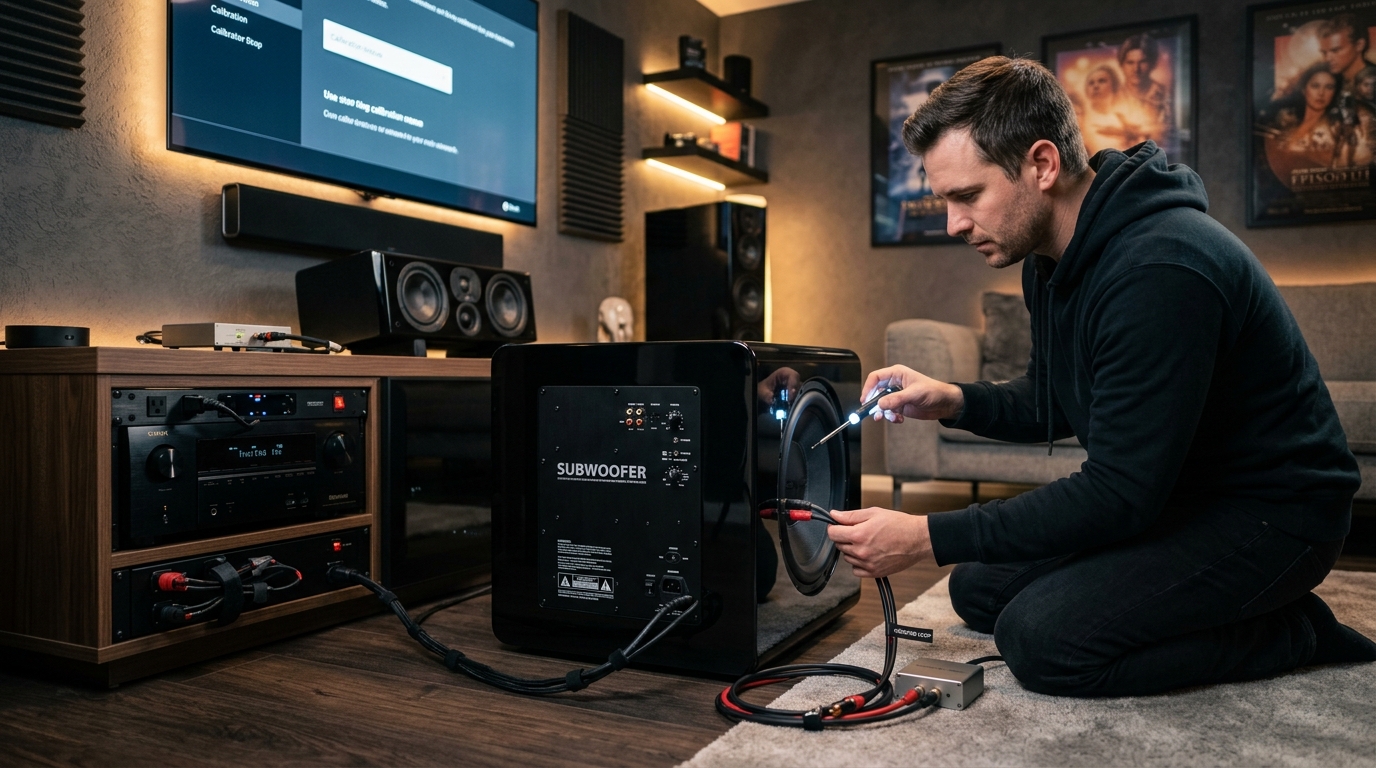
    Connect your speakers and receiver before patching any holes. Play test tones through each channel.

    Listen for:

    • Crackling or static (indicates a bad connection or damaged wire)
    • Weak output (wrong gauge wire or poor termination)
    • No sound at all (reversed polarity or disconnected wire)

    Check polarity with a 9-volt battery. Touch the battery terminals to the wire ends briefly. The speaker cone should move outward. If it moves inward, your polarity is reversed.

    Label both ends of each wire run. Use a label maker or write on masking tape. Future you will appreciate knowing which wire goes where.

    Patching and Finishing

    Small holes from fishing wire need minimal repair. Push the drywall plug back in, apply a thin layer of spackle, let it dry, and sand smooth.

    Larger access holes require drywall patches. Cut a square around the hole, install backing support, screw in a patch piece, tape the seams, apply joint compound in three layers, sand between coats, prime, and paint.

    Low-voltage mounting brackets (also called old-work boxes) provide a finished look at speaker connections. They cost $2-3 each and install in minutes. Cut a hole sized for the bracket, insert it, and tighten the mounting ears.

    Paint over patches with a small roller rather than a brush. Rollers match the texture of existing walls better.

    Making Your Installation Look Professional

    Run wires parallel to studs and perpendicular to floor joists. This creates clean, predictable paths that future homeowners can trace if needed.

    Keep speaker wire at least 6 inches away from electrical wiring when possible. Closer proximity can introduce hum in your audio, especially with unshielded cable.

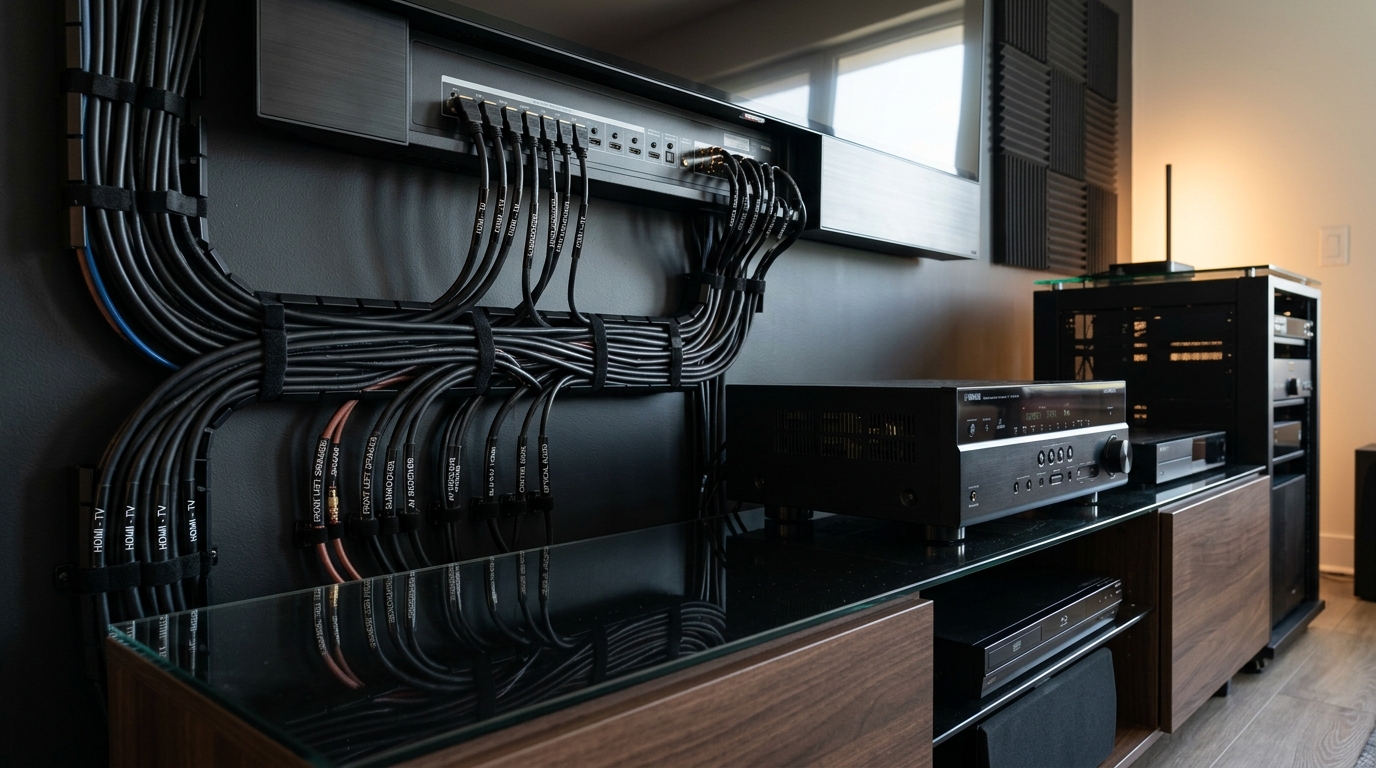
    Use wire management clips behind equipment racks. Velcro cable ties cost pennies and keep everything organized.

    Consider running extra wires while walls are open. Adding a second run to each location costs little extra effort now but provides options for future upgrades.

    Document your wire paths with photos before closing walls. Measure distances from corners and mark stud locations. Store these photos with your home maintenance records.

    When to Call a Professional

    Hire an electrician if you:

    • Find unexpected wiring while fishing cable
    • Need to run wire through fire-rated walls between floors
    • Live in a historic home with unknown wall construction
    • Feel uncomfortable working with tools
    • Discover your walls contain asbestos insulation (common in homes built before 1980)

    Professional installation costs $75-150 per speaker location in most markets. That includes labor, wire, and wall repair. It’s reasonable money for peace of mind if you’re uncertain about any part of the process.

    Some home insurance policies require licensed professionals for work that involves drilling through wall plates or floor joists. Check your policy before starting.

    Getting Clean Results in Your Space

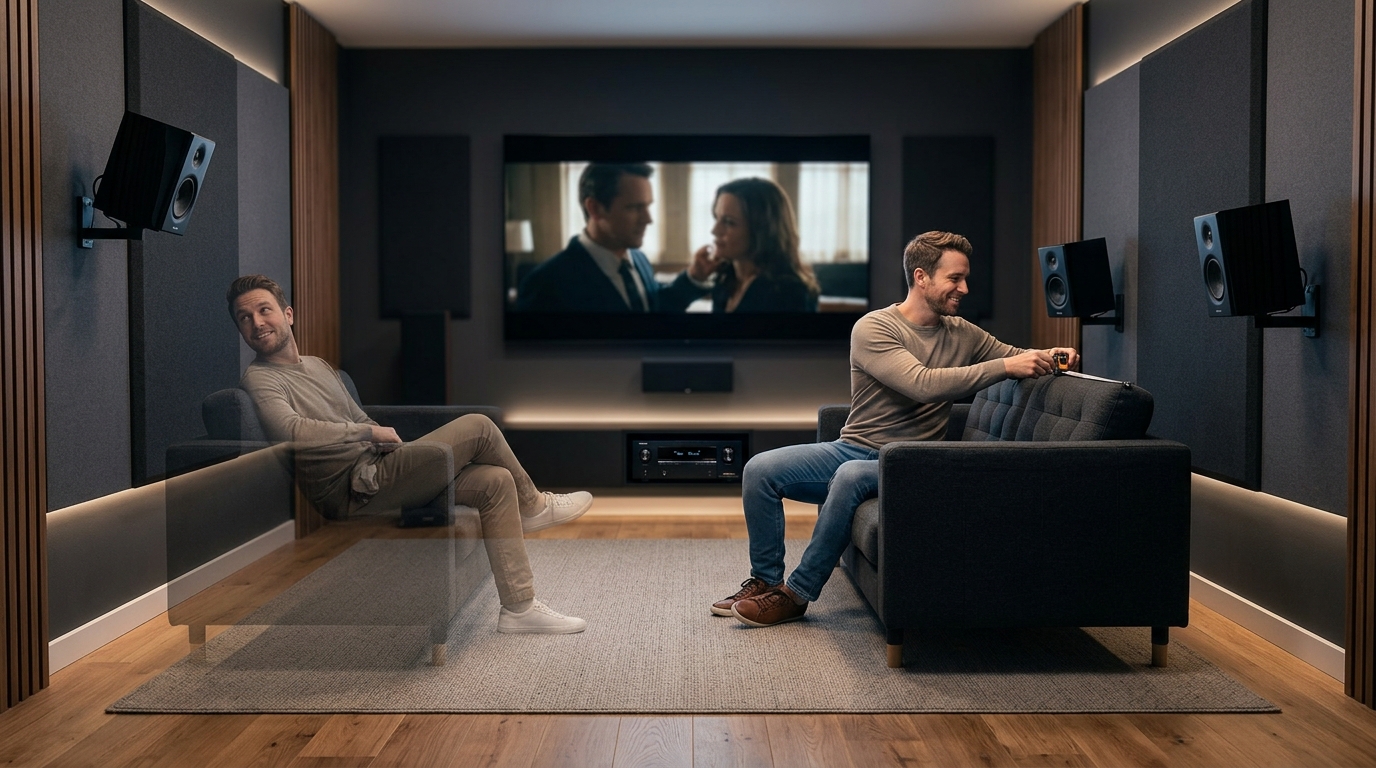
    Running speaker wire through walls transforms a messy installation into something that looks built-in. The process takes patience more than skill.

    Start with one speaker. Master the technique on a simple run before tackling complex routes across multiple rooms. Take photos as you work. You’ll reference them for the next speaker and appreciate having a record of what’s inside your walls.

    Your home theater will look better, your speakers will stay exactly where you want them, and you won’t trip over cables crossing your floor. That’s worth an afternoon of careful work.