
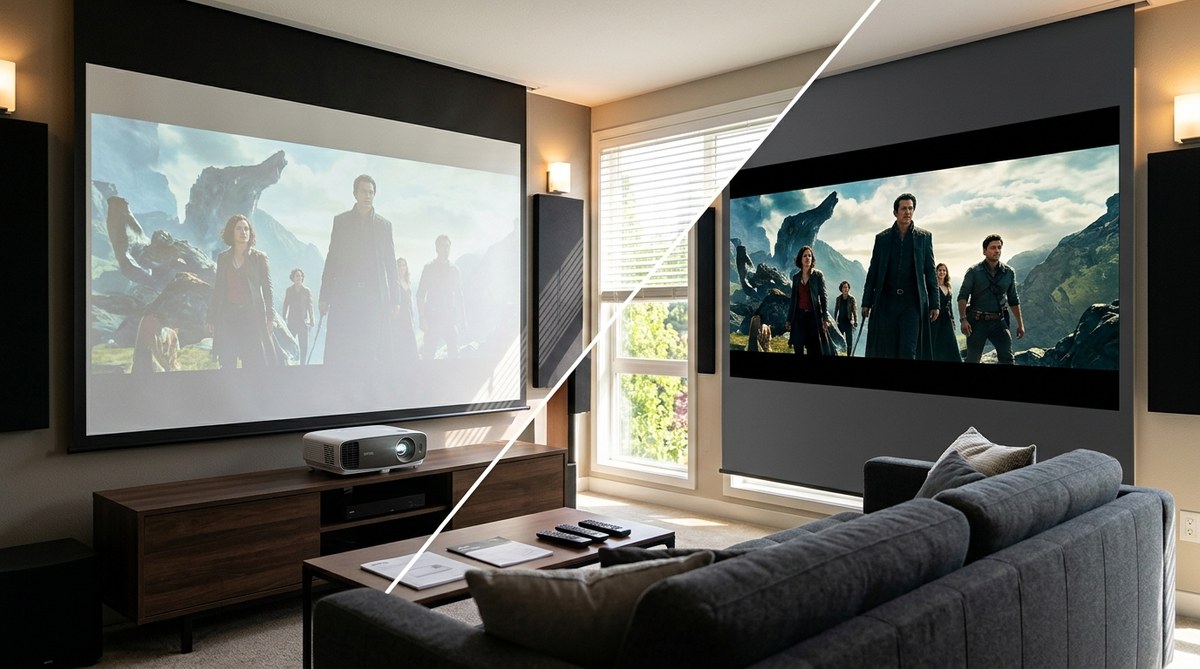
Home theater enthusiasts often ask whether investing in an ambient light rejecting (ALR) screen is worth it. The idea sounds promising—especially if your room gets a lot of ambient light—but the truth depends on your environment and viewing habits. Picking the right screen can make a big difference in picture quality. In this article, we’ll break down when an ALR screen is a smart choice and when it might not be necessary. Let’s help you make an informed decision so you can enjoy your movies in stunning clarity.
Deciding on an ambient light rejecting screen depends on your room’s lighting conditions and viewing needs. ALR screens excel in bright environments by reducing glare and boosting contrast, but in darker rooms a standard screen might be sufficient. Assess your space carefully to choose the best option for vibrant, sharp images during day or night viewing.
Understanding ambient light and its impact on projector images
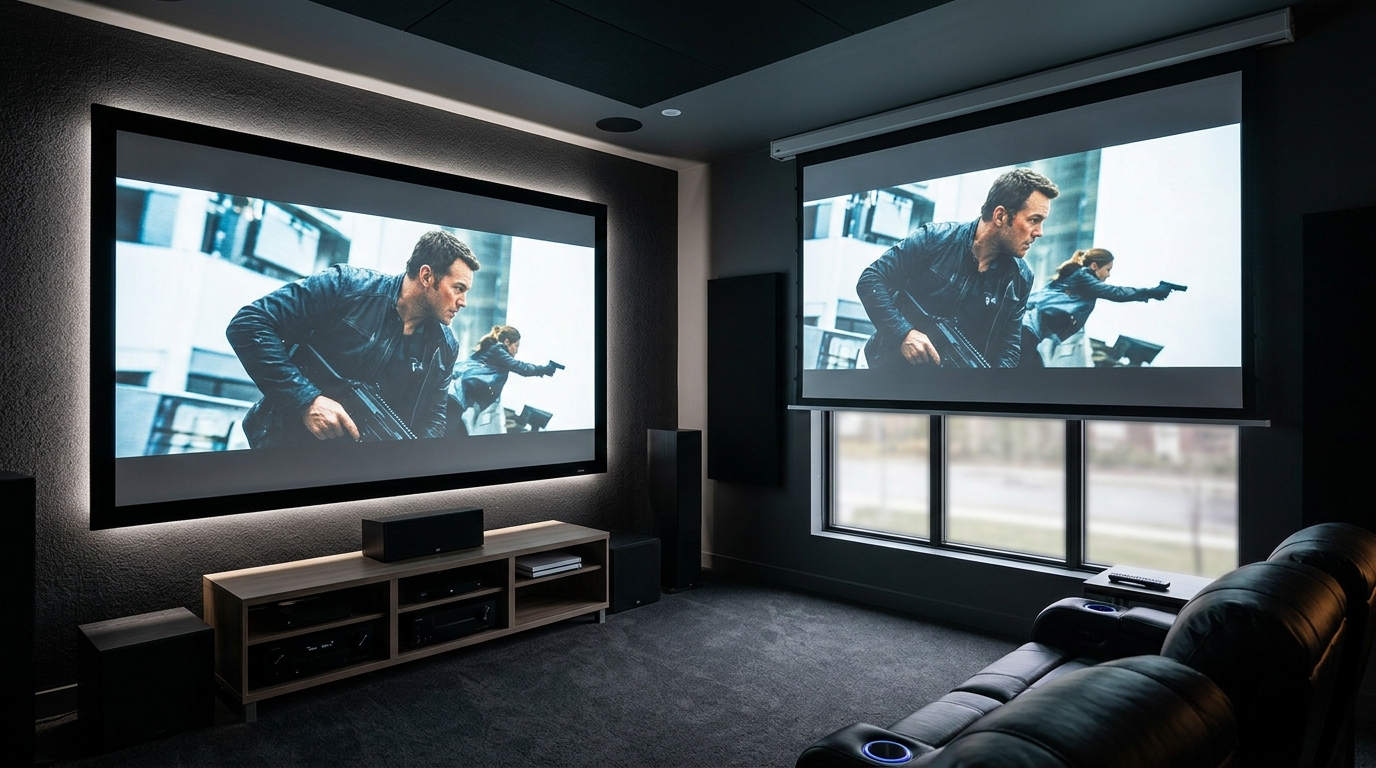
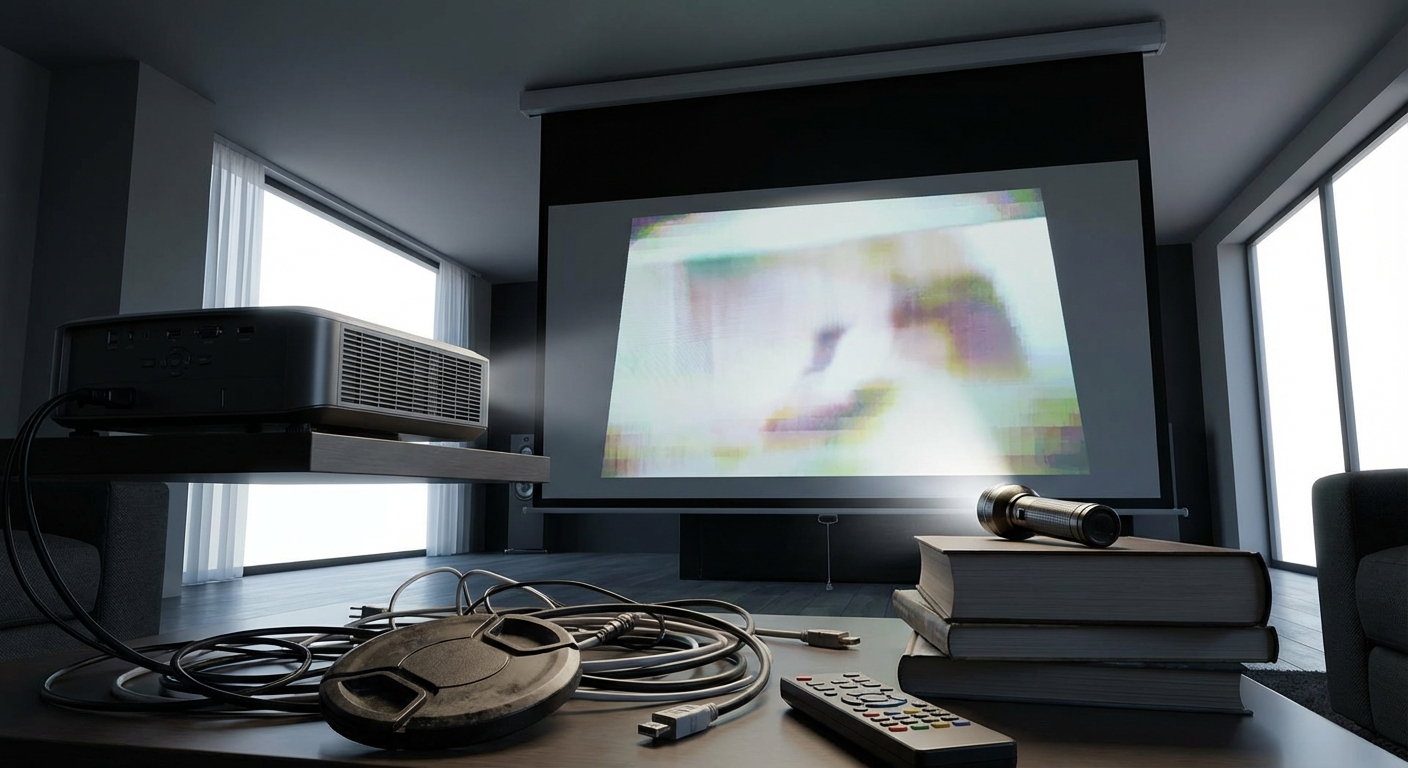
Ambient light refers to any light present in your room besides your projector. This includes sunlight through windows, lamps, ceiling lights, or glare from reflective surfaces. When ambient light is high, it can wash out the projected image, making details less sharp and colors dull.
In a dark room, contrast and black levels appear deeper, and images look richer. But if your space is bright or has large windows, glare can make even the best projector struggle. Understanding this influence is key to deciding whether an ALR screen is a must-have.
“Ambient light is the enemy of contrast. The more light in your room, the more your projector’s image suffers without proper screen technology.” — Home theater expert
When an ambient light rejecting screen makes sense
An ALR screen is designed specifically to tackle ambient light issues. Here are scenarios where it often proves worthwhile:
- Bright rooms or rooms with large windows: If sunlight or artificial lights are unavoidable during viewing hours, an ALR screen can keep images vibrant and contrast high.
- Daytime viewing: If your home theater is used during the day or in rooms with inconsistent lighting, ALR technology helps maintain picture quality.
- High ambient light levels: Spaces with reflective surfaces or multiple light sources benefit from the layering coatings found on ALR screens, which minimize glare.
In these cases, an ALR screen can transform your projector from a dim, washed-out display into a vivid, cinema-quality image.
When you might not need an ALR screen
In darker rooms, you may not see much difference between a standard screen and an ALR model. If you can control lighting easily—by using blackout curtains or turning off lights—then a regular white or gray screen might be enough.
Also, ALR screens tend to be more expensive. If your budget is tight or your room is primarily dark, investing in blackout treatments or better projector placement might provide a more cost-effective solution.
How to choose the right screen for your environment
Follow these steps to decide whether an ALR screen fits your needs:
- Assess your room’s lighting:
- Is it naturally bright during viewing hours?
- Do you have large windows or reflective surfaces?
- Evaluate your lighting control options:
- Can you blackout windows easily?
- Are ambient lights adjustable?
- Determine your budget:
- ALR screens are generally more costly but can provide significant benefits in bright environments.
- Test your projector in the current space:
- Observe the picture quality during different times of day.
- Does the image wash out easily?
If the answer is yes to bright lighting and washed-out images, an ALR screen is a smart upgrade. If not, a standard screen may suffice.
Practical setup tips for optimal picture quality
- Control ambient lighting: Use blackout curtains or dimmable lights to improve contrast without needing an ALR screen.
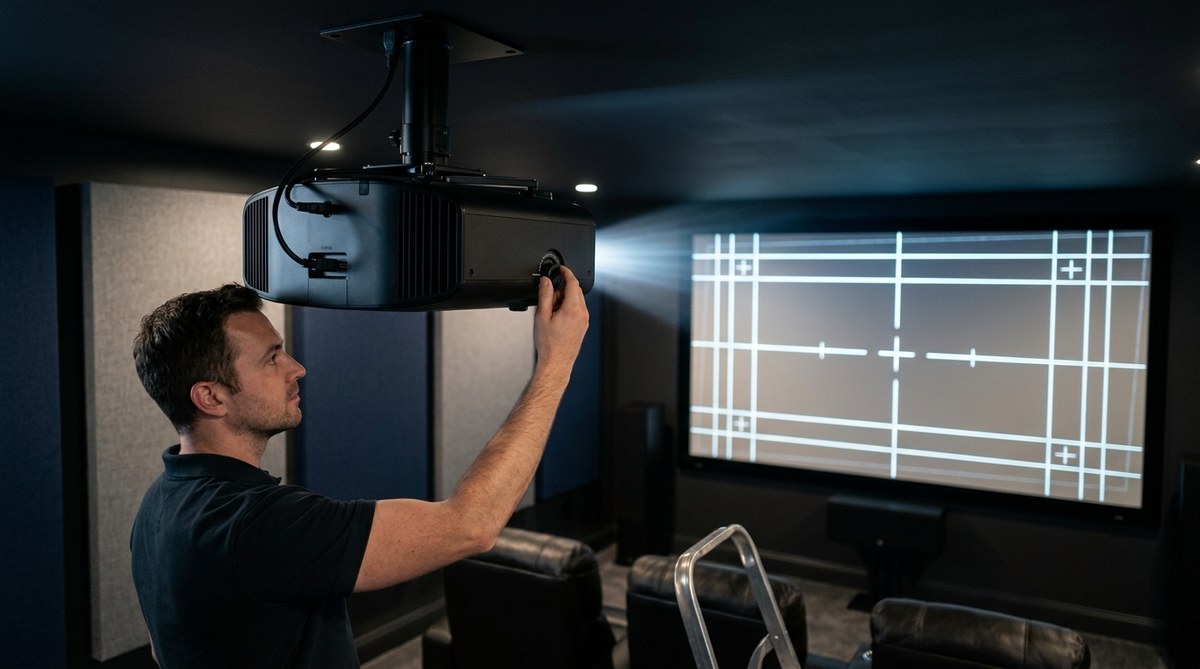
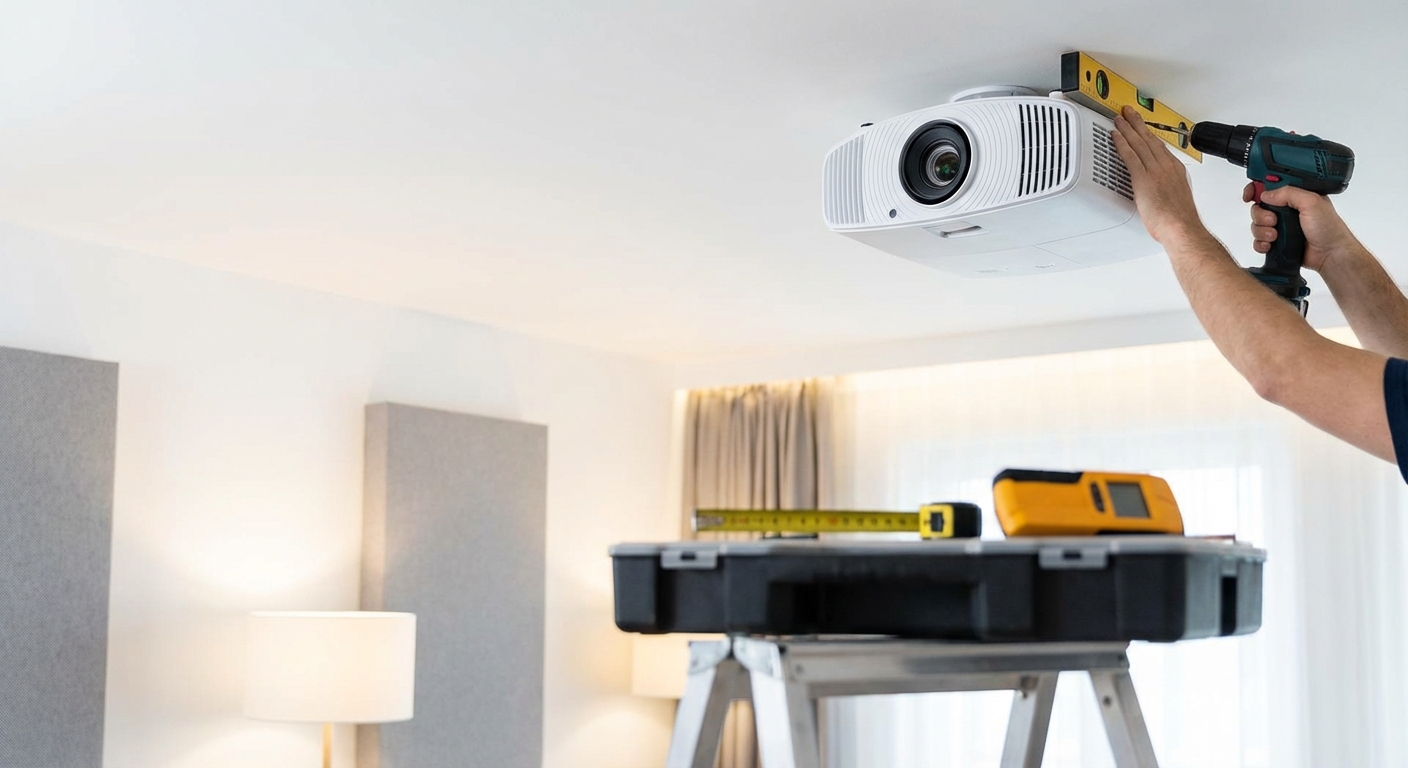
- Place your projector appropriately: Proper throw distance and angle can reduce glare and improve image clarity.
- Choose the right screen material: For rooms with some ambient light, gray screens can boost contrast without the added cost of ALR technology.
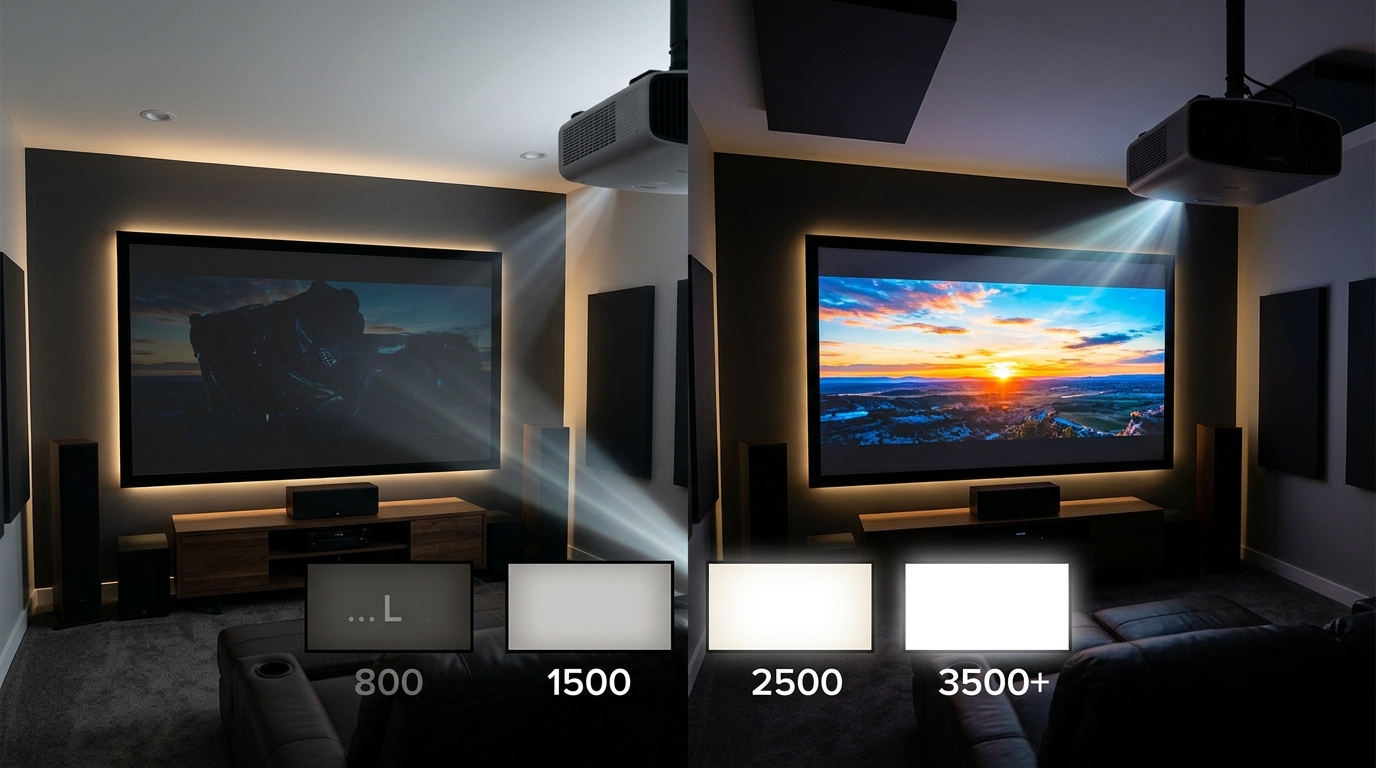
- Use a high lumen projector: A brighter projector can compensate for some ambient light, especially if you cannot control room lighting fully.
Techniques and common mistakes
| Technique / Mistake | Explanation |
|---|---|
| Using a standard white screen in a bright room | Leads to washed-out images and poor contrast. |
| Not controlling room lighting | Ambient light will diminish projector image quality regardless of screen type. |
| Choosing an ALR screen without proper testing | Can be costly and unnecessary if your room remains dark. |
| Ignoring projector brightness | A high lumen projector can sometimes negate the need for ALR screens in less lit rooms. |
Expert advice on ambient light rejection screens
“An ALR screen can be a game-changer if you cannot darken your room easily. But in a controlled environment, it may be an unnecessary expense.” — AV professional
Summing it all up: Do you truly need an ALR screen?
In the end, whether an ALR screen is necessary depends on your environment and how you watch movies. If your room remains bright during viewing or you want a consistent picture regardless of lighting, investing in an ALR screen is a wise move. Conversely, if you can easily darken your space and your projector is bright enough, a standard screen might serve you well.
Take the time to evaluate your lighting conditions and viewing habits. Consider testing your current setup at different times before making a purchase. With a clear understanding, you can choose a screen that enhances your home theater experience without overspending.
Making the right choice for your home theater adventure
Every home theater is unique, and so are its lighting conditions. Carefully assessing your space and viewing needs will help you decide if an ambient light rejecting screen is a smart upgrade. Remember, controlling ambient light is often the most cost-effective way to boost image quality. Whether you opt for an ALR screen or improve your room’s lighting, the goal remains the same: enjoying stunning, crisp visuals every time you press play.

Leave a Reply