
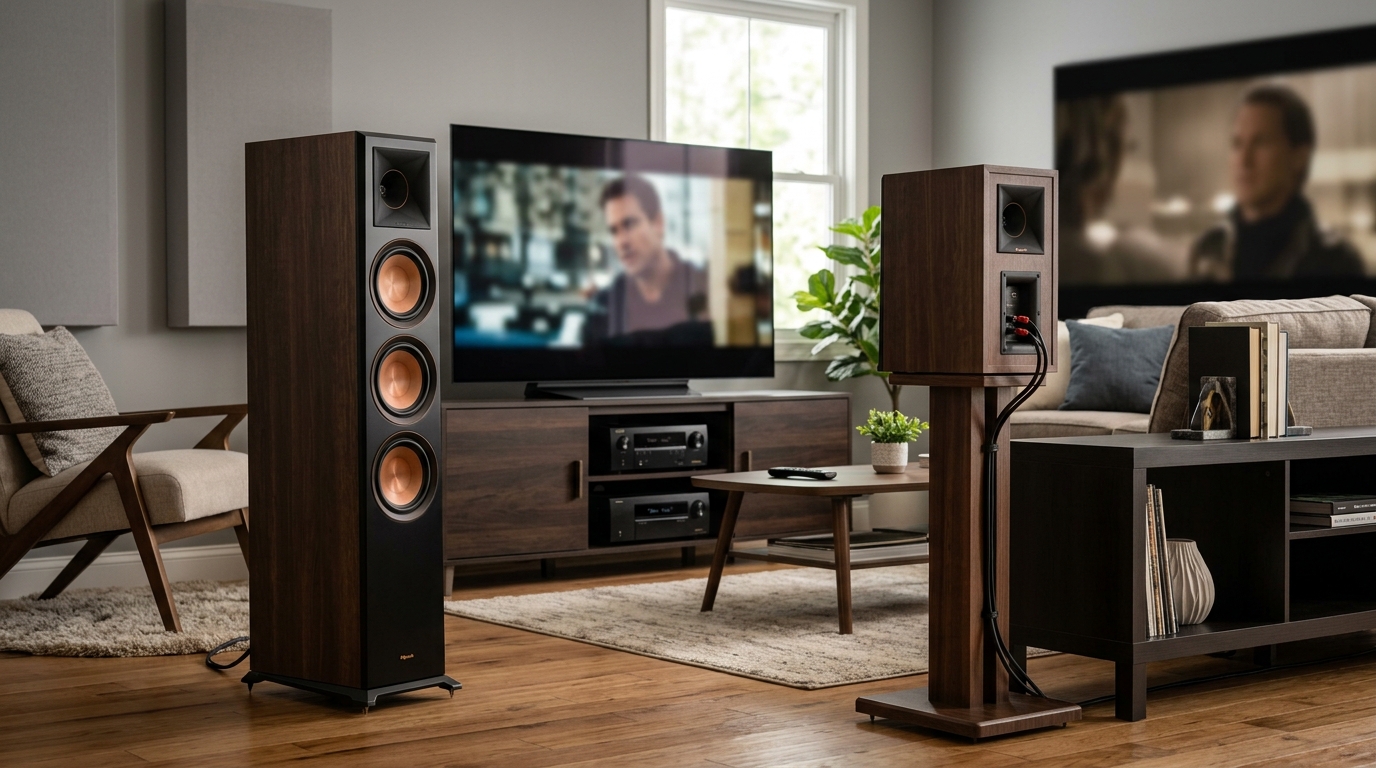
Choosing between bookshelf and floorstanding speakers feels like a high-stakes decision when you’re building your first home theater or upgrading your audio setup. You want great sound, but you also need to work within your budget and space constraints. The good news is that both types can deliver excellent performance. The key is understanding what each brings to the table and how they align with your specific situation.
Bookshelf speakers offer excellent sound quality in compact form, ideal for smaller rooms and tighter budgets. Floorstanding speakers deliver deeper bass and fill larger spaces more effectively but cost more and need proper placement. Your room size, budget, and whether you plan to add a subwoofer determine which type makes sense for your first purchase.
Understanding the fundamental differences
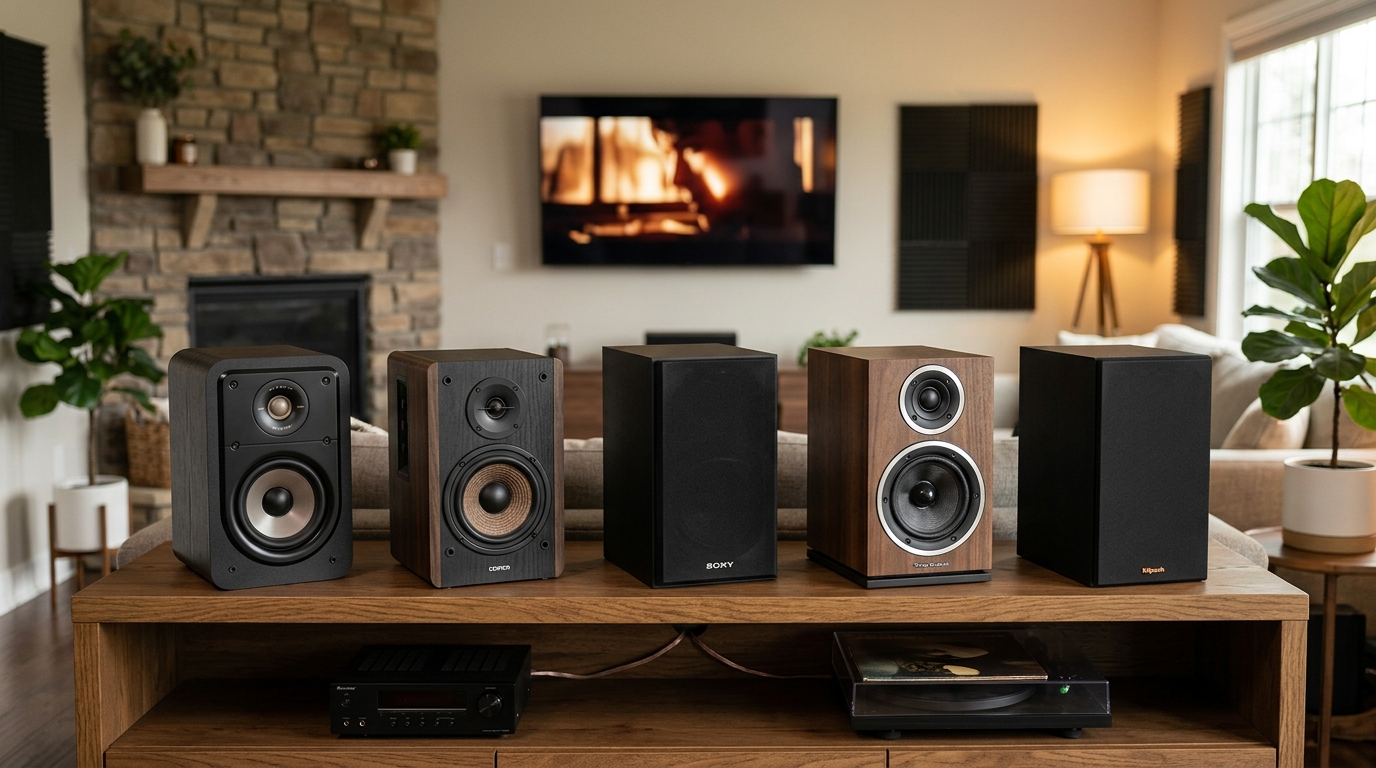
Bookshelf speakers sit on stands, shelves, or furniture. They typically measure 12 to 18 inches tall and contain two drivers: a tweeter for high frequencies and a woofer for mids and bass.
Floorstanding speakers stand directly on the floor. They range from 30 to 48 inches tall and usually house three or more drivers, including dedicated midrange drivers and larger woofers.
The physical size difference creates distinct performance characteristics. Larger cabinets and bigger drivers in floorstanding models move more air, which translates to louder output and deeper bass extension. Bookshelf speakers compensate with precision and flexibility in placement.
Sound quality trade-offs you need to know
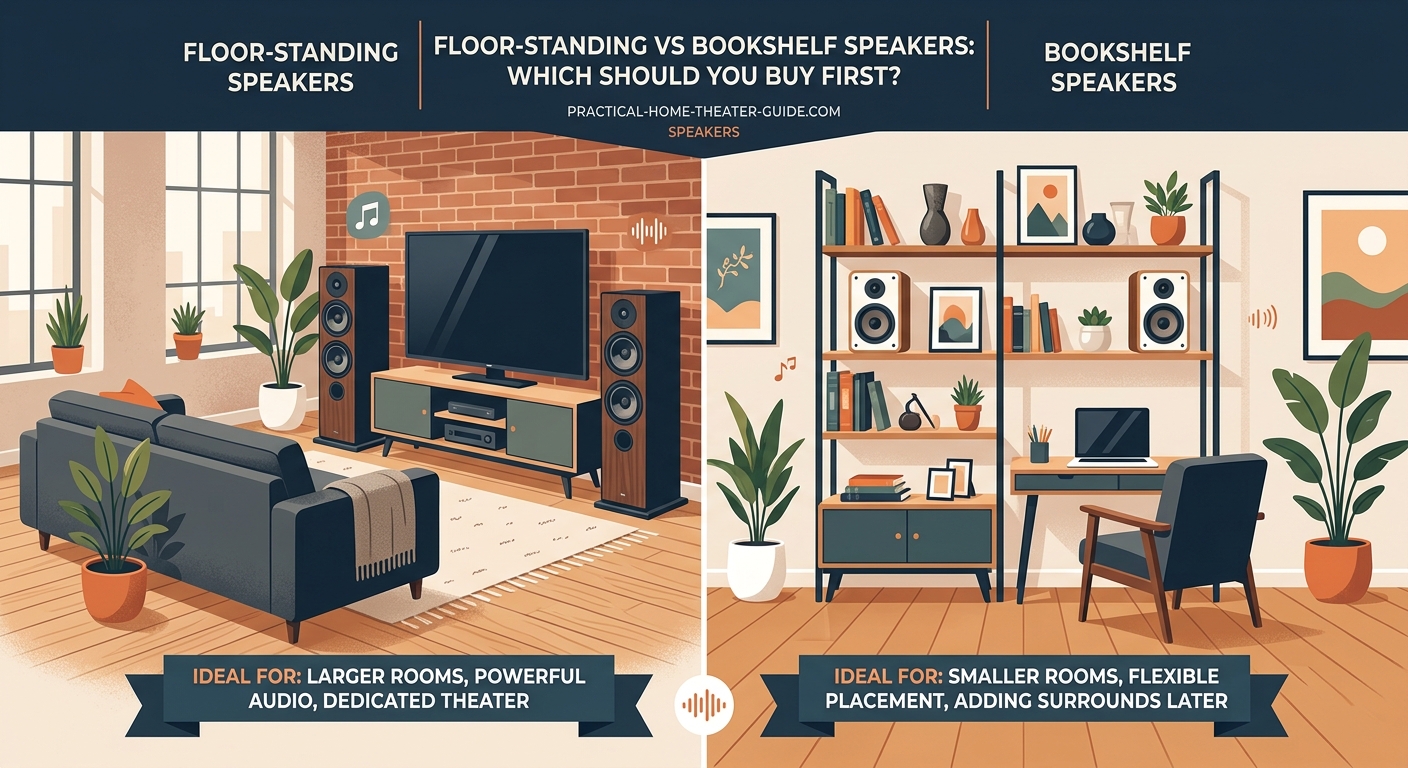
Both speaker types can sound fantastic. The quality depends more on the specific model and manufacturer than the format itself.
Floorstanding speakers generally produce bass down to 30-40 Hz without help from a subwoofer. That covers most movie soundtracks and music genres. You feel the rumble of explosions and the thump of bass guitars.
Bookshelf speakers typically roll off around 50-60 Hz. You still get solid bass response, but the deepest notes lack impact. Pairing them with a dedicated subwoofer fills this gap completely.
Here’s where it gets interesting: many audio enthusiasts prefer bookshelf speakers with a subwoofer over floorstanding speakers alone. This combination gives you tight, controlled bass from the sub and clean mids and highs from the bookshelves.
If your room is under 200 square feet and you plan to add a subwoofer eventually, quality bookshelf speakers will outperform budget floorstanding models every time. Save the extra money for that sub.
Room size makes the decision easier
Your room dimensions heavily influence which speaker type works best.
Small to medium rooms (under 250 square feet):
Bookshelf speakers handle these spaces beautifully. They create an immersive soundstage without overwhelming the room. Placement is easier because you can position them on stands at the optimal ear level.
Large rooms (over 300 square feet):
Floorstanding speakers make more sense here. They project sound farther and maintain clarity at higher volumes. The larger drivers move enough air to fill the space without straining.
Medium rooms (250-300 square feet):
Either type works. Your choice depends on whether you value flexibility and budget savings (bookshelf) or standalone bass performance (floorstanding).
Consider your ceiling height too. Rooms with 10-foot or higher ceilings benefit from the additional driver placement that floorstanding speakers provide. The sound disperses more evenly throughout the vertical space.
Budget considerations that actually matter
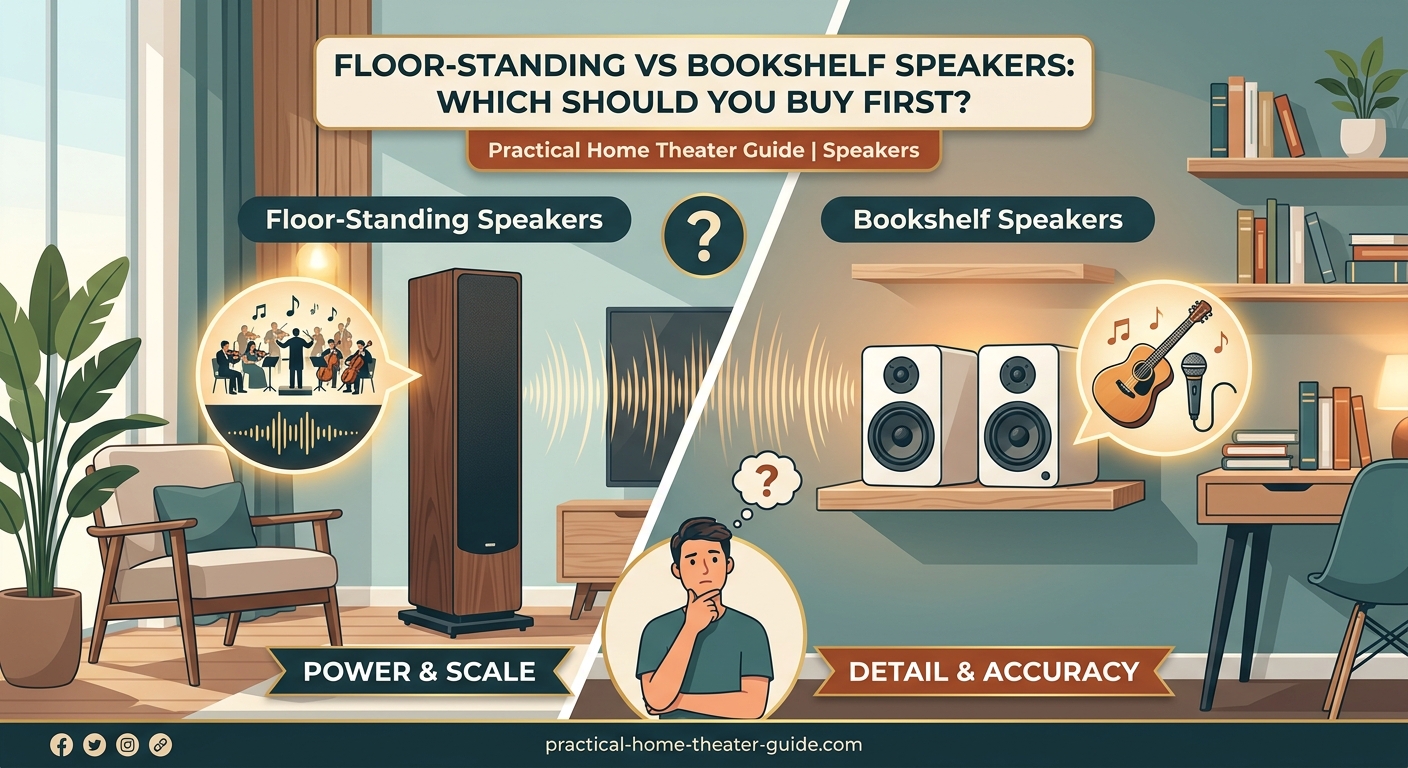
Price comparisons get tricky because both categories span wide ranges. You can spend $200 or $2,000 on either type.
The pattern holds true across price points: bookshelf speakers typically cost 30-40% less than comparable floorstanding models from the same manufacturer. A $500 pair of bookshelf speakers often matches the sound quality of $800 floorstanding speakers.
| Budget Level | Bookshelf Option | Floorstanding Option | Best Value Choice |
|---|---|---|---|
| Entry ($200-400) | Solid performance, limited bass | Compromised build quality | Bookshelf + save for subwoofer |
| Mid-range ($400-800) | Excellent sound, quality drivers | Good bass, decent build | Depends on room size |
| Premium ($800+) | Reference-level accuracy | Full-range performance | Either based on preferences |
Factor in stands for bookshelf speakers. Quality stands cost $50 to $200 per pair. Floorstanding speakers need floor space but no additional hardware.
If you’re building a complete system, budget bookshelf speakers let you allocate more money to your receiver and subwoofer. That balanced approach often yields better overall sound than spending everything on floorstanding speakers and skimping elsewhere.
Placement flexibility and room aesthetics
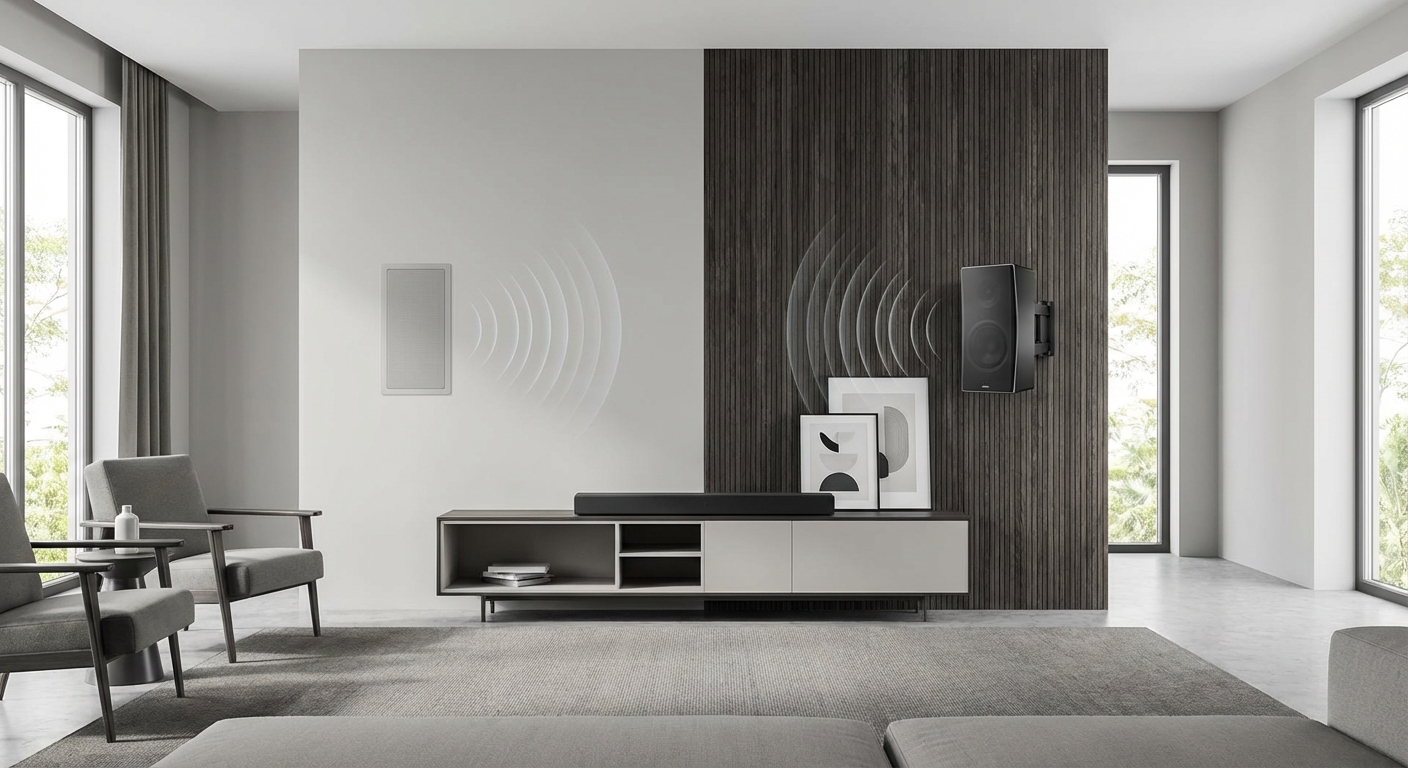
Bookshelf speakers win on versatility. You can:
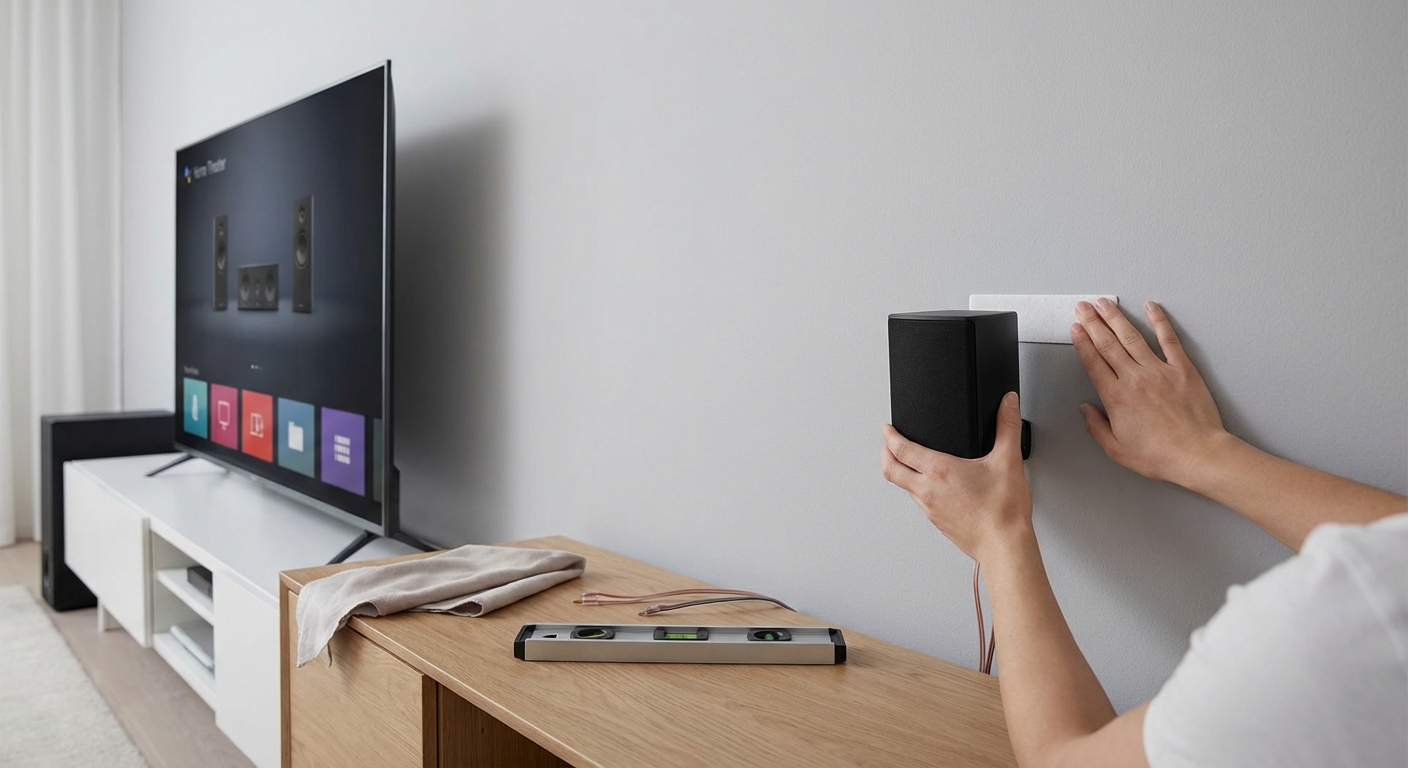
- Mount them on walls
- Place them on furniture
- Position them on dedicated stands
- Tuck them into shelving units
This flexibility matters when you’re working around existing furniture or dealing with an awkward room layout. Moving them takes minutes, not a furniture rearrangement project.
Floorstanding speakers demand committed floor space. Once positioned, they become semi-permanent fixtures. Moving them for vacuuming or rearranging requires actual effort.
The aesthetic impact differs too. Bookshelf speakers blend into rooms more easily. They feel less imposing and work better in multi-purpose spaces like living rooms that serve multiple functions.
Floorstanding speakers make a statement. Some people love the visual presence. Others find them intrusive. Your personal taste matters here.
Building a complete system step by step
Your speaker choice affects how you build the rest of your system. Here’s how to approach each path:
Starting with bookshelf speakers:
- Buy quality bookshelf speakers that match your budget
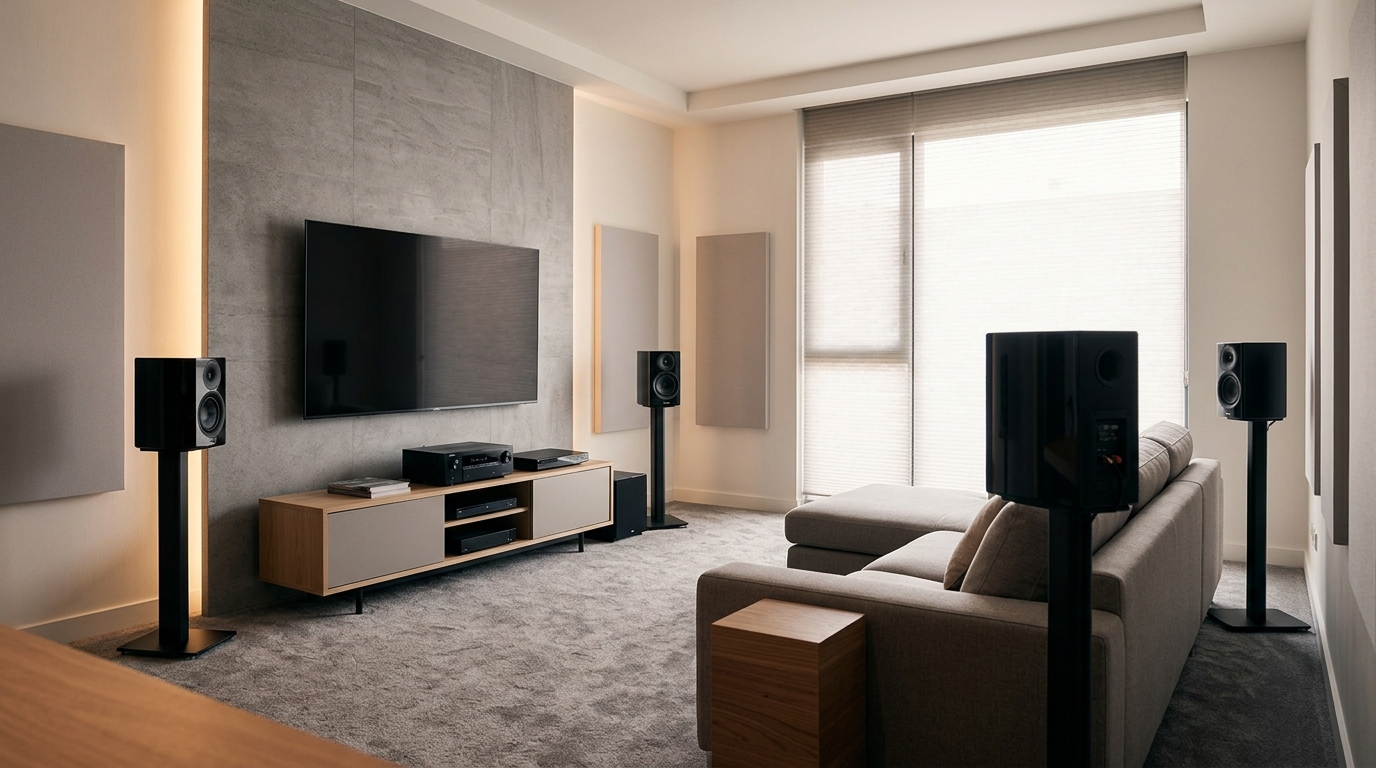
- Add proper stands positioned at ear level when seated
- Connect them to your receiver using appropriate gauge wire
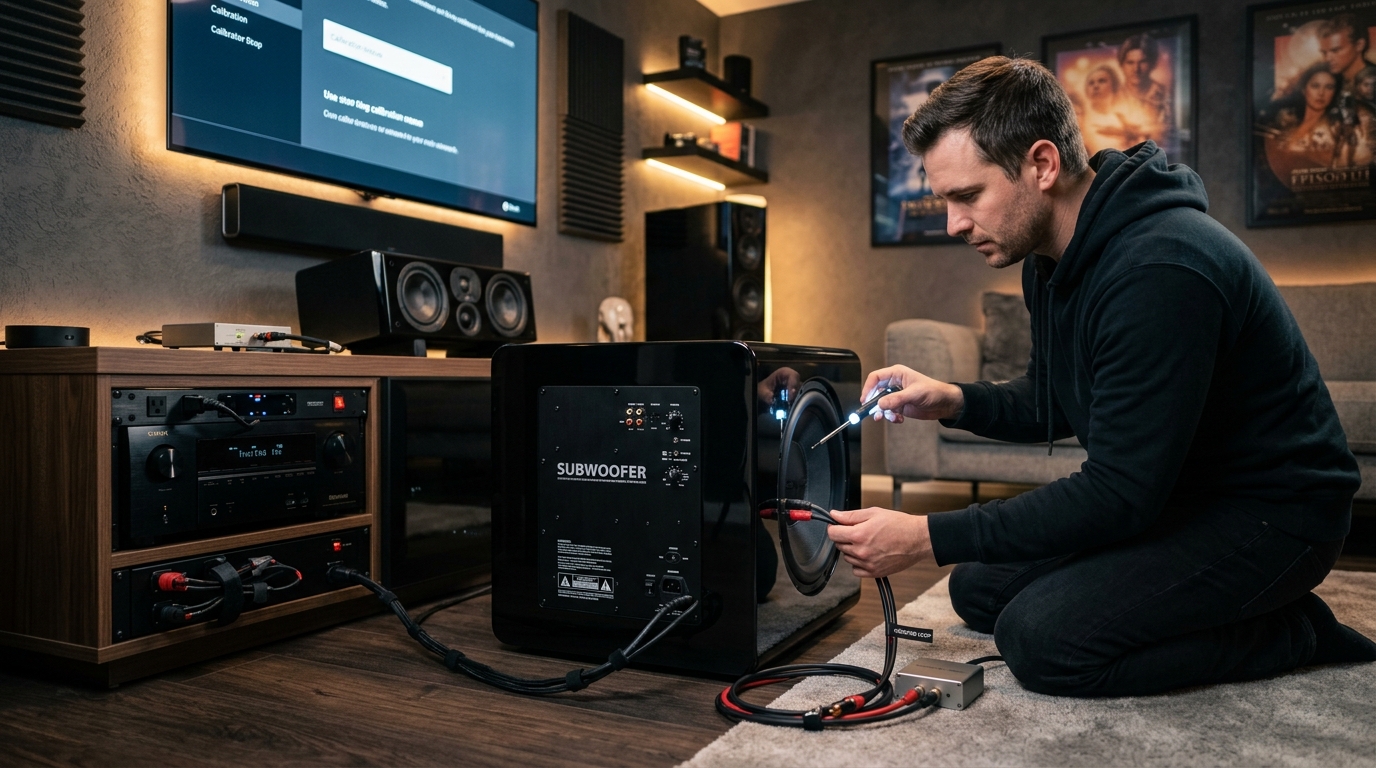
- Save for a subwoofer as your next upgrade
- Enjoy excellent sound immediately with room to grow
Starting with floorstanding speakers:
- Choose floorstanding speakers that fit your room size
- Position them 2-3 feet from walls for optimal bass response
- Connect to your receiver with quality speaker wire
- Assess whether you need a subwoofer after listening for a few weeks
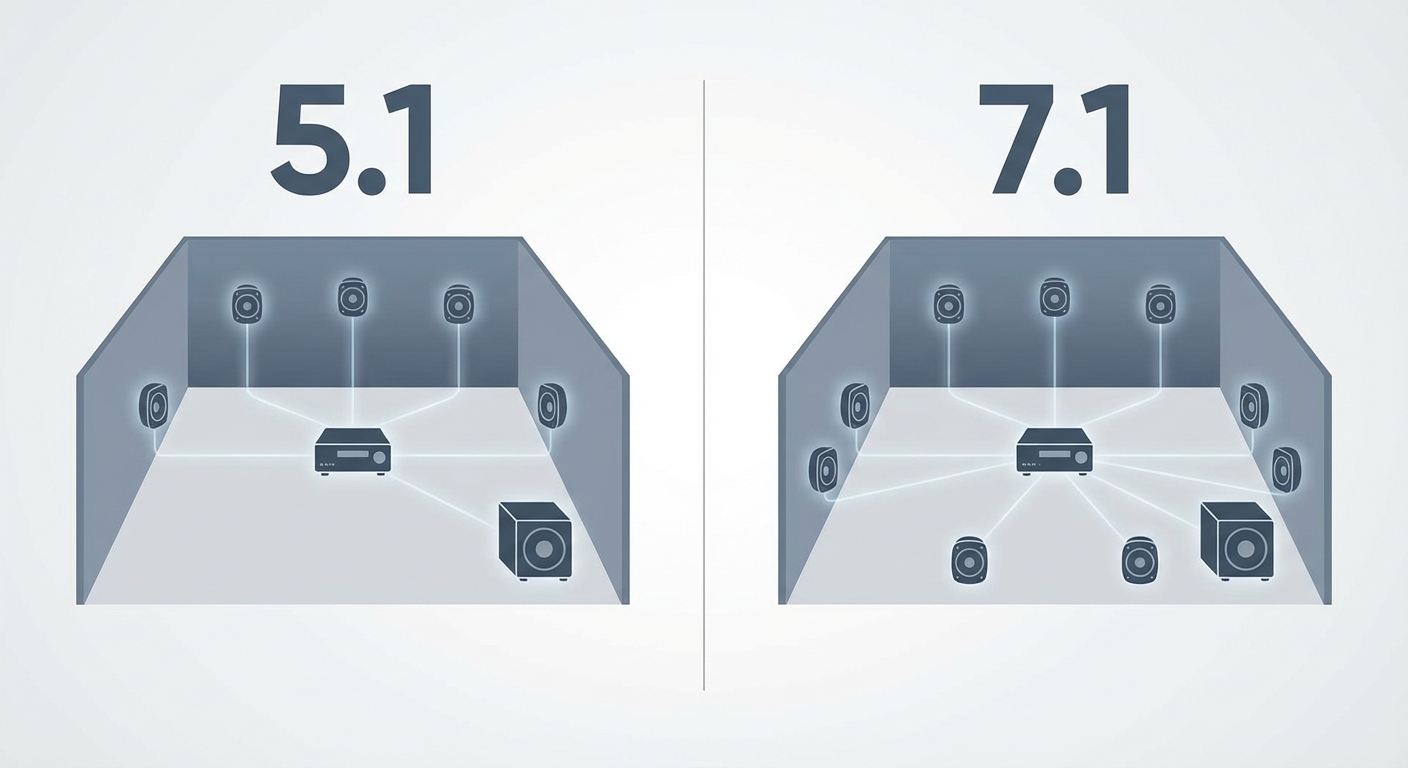
- Focus next upgrades on your center channel and surrounds
The bookshelf path gives you faster access to complete sound (with a sub). The floorstanding path delivers satisfying bass immediately but costs more upfront.
Power requirements and amplifier matching
Floorstanding speakers typically need more power to reach their potential. Their larger drivers and cabinets require stronger amplification to control movement and prevent distortion.
Most floorstanding speakers perform best with receivers rated at 75-100 watts per channel. Bookshelf speakers sound great with 50-75 watts per channel.
This matters if you’re matching your receiver’s wattage to your speakers. Budget receivers often provide adequate power for bookshelf speakers but struggle with demanding floorstanding models.
Check the speaker’s sensitivity rating. Higher sensitivity (90 dB or above) means the speaker produces more volume with less power. Lower sensitivity (85 dB or below) requires more amplifier muscle.
- Bookshelf speakers: typically 85-88 dB sensitivity
- Floorstanding speakers: typically 88-92 dB sensitivity
The difference seems small but matters at high volumes. A 3 dB increase in sensitivity requires half the amplifier power to achieve the same volume level.
Common mistakes that waste money
Buying floorstanding speakers for a small room:
They overpower the space and create muddy bass from boundary reinforcement. You paid extra for performance you can’t use.
Skipping stands for bookshelf speakers:
Placing them directly on furniture creates vibration issues and positions tweeters at the wrong height. Your $500 speakers sound like $200 speakers.
Matching speaker size to room size incorrectly:
Bigger isn’t always better. Room dimensions affect sound quality more than speaker size in many cases.
Ignoring the subwoofer question:
If you buy bookshelf speakers without planning for a subwoofer, you’ll feel disappointed by the bass. If you buy floorstanding speakers when you actually wanted bookshelf plus sub, you spent money inefficiently.
Upgrading paths for each speaker type
Bookshelf speakers offer cleaner upgrade paths. You can:
- Add a subwoofer without replacing anything
- Upgrade to better bookshelf models and move current ones to surround duty
- Keep them as fronts and build around them gradually
Floorstanding speakers lock you into a path. Upgrading means:
- Selling or repurposing your current towers
- Buying new floorstanding speakers at higher price points
- Potentially needing a more powerful receiver
The flexibility difference matters if you see your system evolving over time. Starting with bookshelf speakers keeps more options open.
Testing before you buy
Never buy speakers without listening to them first, regardless of type. Many retailers offer in-home trial periods.
When testing bookshelf speakers:
– Listen at your typical volume levels
– Pay attention to clarity in the midrange where voices live
– Note where the bass drops off
– Imagine adding a subwoofer to fill the gap
When testing floorstanding speakers:
– Check how they sound at both low and high volumes
– Listen for bass control, not just quantity
– Assess whether they overpower your room
– Consider whether you still want a subwoofer
Bring familiar music or movie scenes. You know how they should sound. Trust your ears over specifications.
Making your final decision
Choose bookshelf speakers if you:
- Have a room under 250 square feet
- Plan to add a subwoofer within six months
- Value placement flexibility
- Want to maximize budget efficiency
- Need speakers that blend into your space
Choose floorstanding speakers if you:
- Have a room over 300 square feet
- Want bass performance without adding a subwoofer
- Have the floor space and budget
- Prefer the aesthetic presence
- Listen at higher volumes regularly
Neither choice is wrong. Both paths lead to excellent sound when matched properly to your situation.
Your speakers, your space, your sound
The bookshelf versus floorstanding decision isn’t about which type sounds better. Both can deliver amazing performance. The right choice depends on your room, your budget, and how you plan to build your system over time.
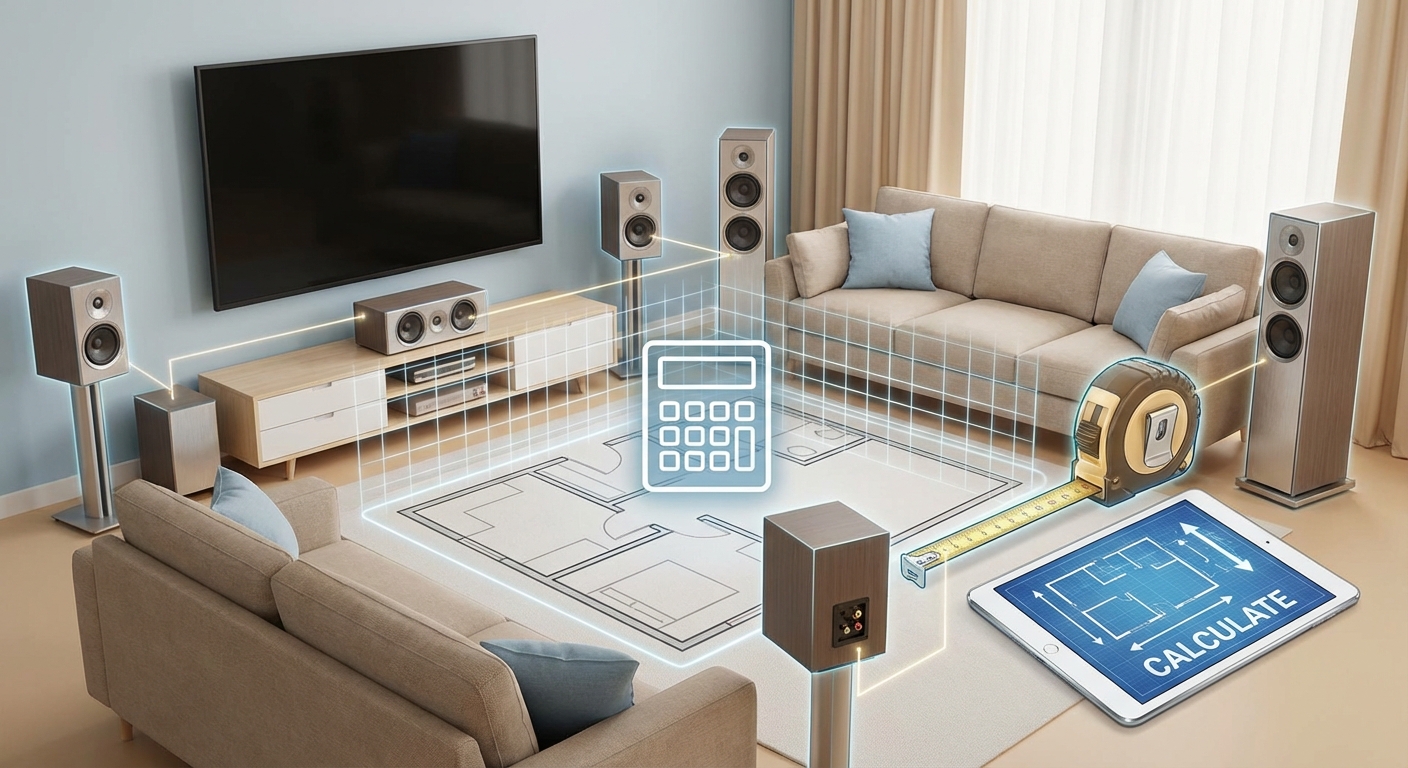
Start by measuring your room and being honest about your budget. Factor in the cost of stands or a future subwoofer. Think about where the speakers will actually sit and whether you have the space for towers.
Most importantly, remember that speakers are just one part of your system. Proper positioning and room acoustics affect sound quality as much as the speakers themselves. Get the type that fits your situation, then focus on setting them up correctly. That’s where the real magic happens.

Leave a Reply