
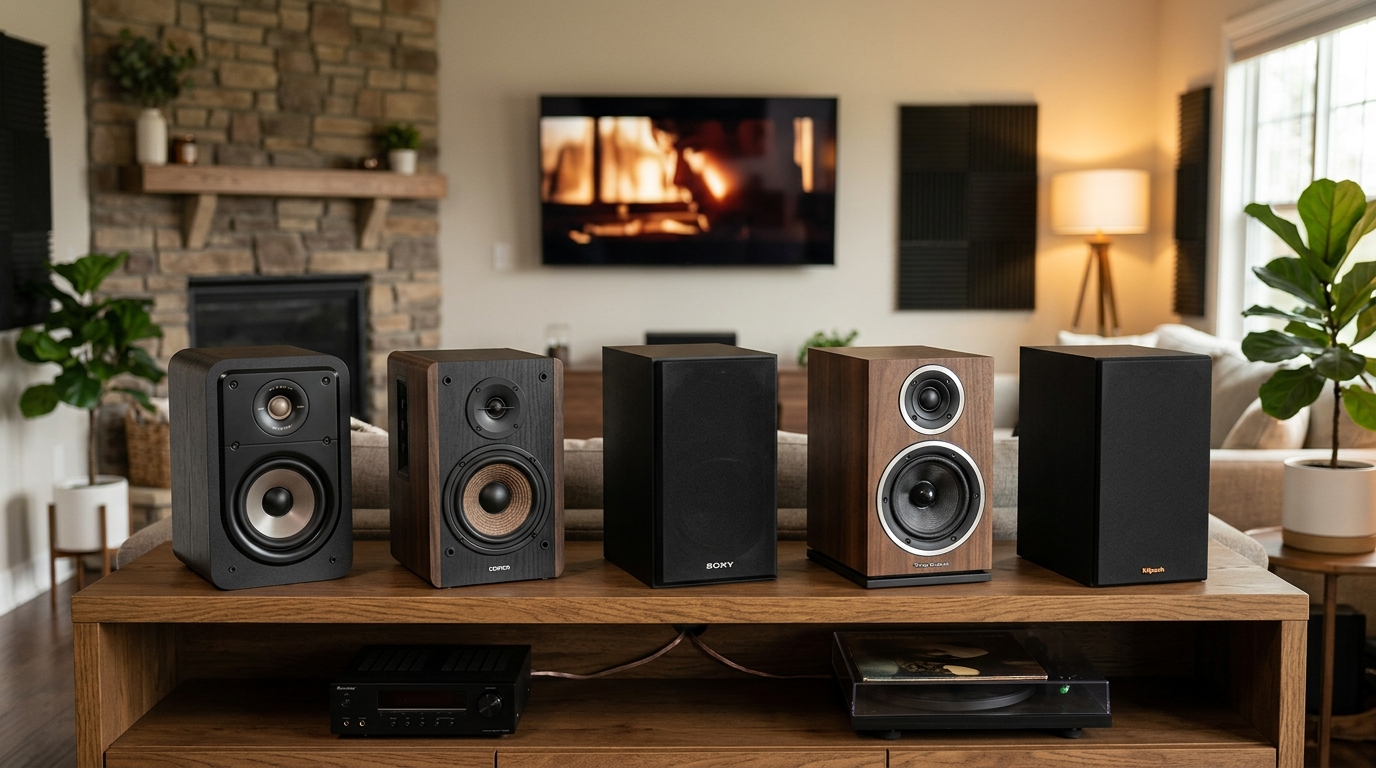
Shopping for bookshelf speakers on a budget doesn’t mean settling for tinny highs and muddy bass. The right pair can deliver clarity, depth, and imaging that rivals speakers costing hundreds more. You just need to know what to look for and which compromises actually matter.
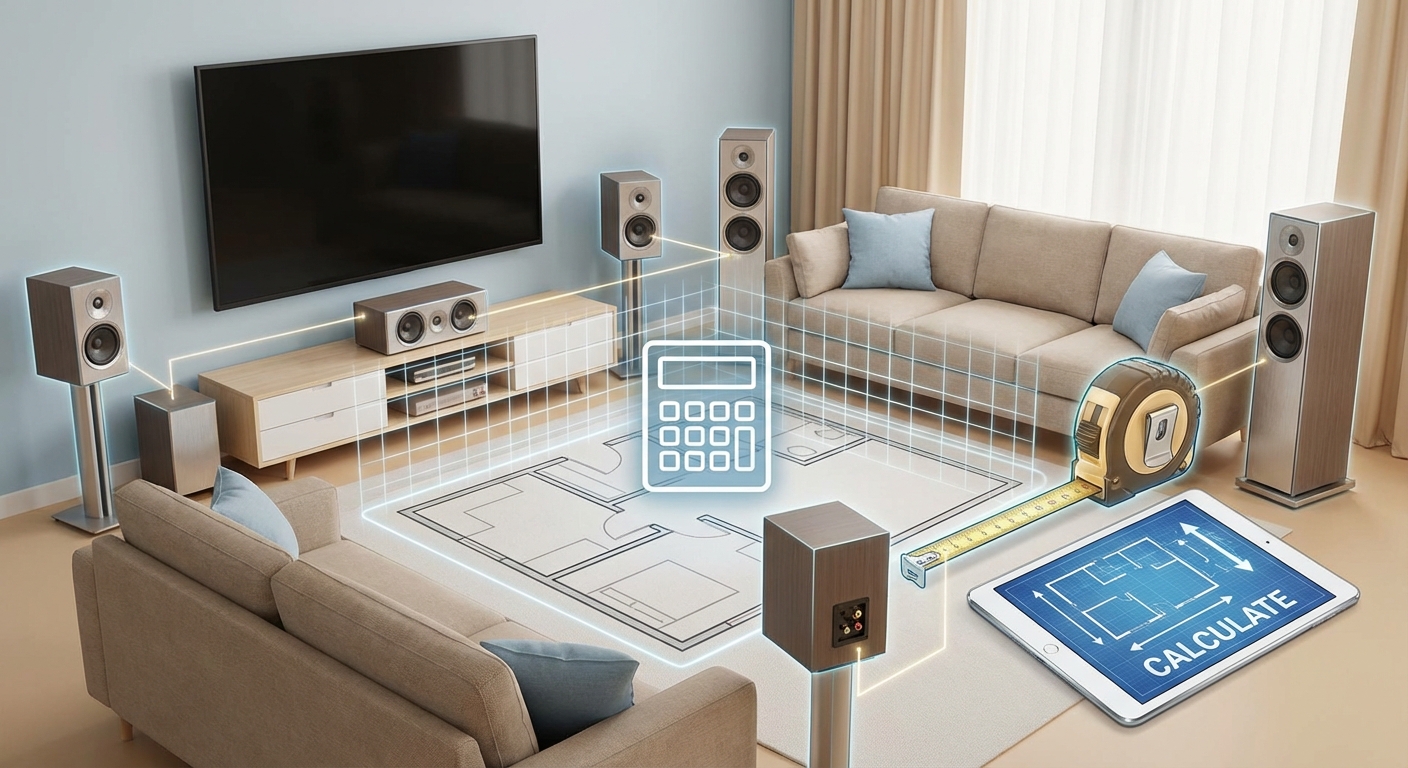
The best budget bookshelf speakers balance driver quality, cabinet construction, and power handling to deliver clean sound without distortion. Focus on sensitivity ratings above 86dB, well-braced MDF cabinets, and crossover designs that match your listening distance. Proper placement and [matching your receiver’s wattage](https://practical-home-theater-guide.com/how-to-match-your-receivers-wattage-to-your-speakers-without-overspending/) matter more than raw specs. Most affordable speakers perform best 6 to 10 feet from your listening position in rooms under 250 square feet.
What Makes a Bookshelf Speaker Sound Expensive
Cabinet construction separates good speakers from mediocre ones.
Cheap speakers use thin walls that resonate at certain frequencies. You hear cabinet vibration instead of pure sound from the drivers. Better budget models use thicker MDF with internal bracing. This costs manufacturers more but eliminates that hollow, boxy coloration.
Driver materials matter too. Paper cone woofers sound natural but lack durability. Polypropylene cones handle moisture better and resist cone breakup at higher volumes. Silk dome tweeters deliver smooth highs without harshness. Metal domes can sound detailed but sometimes add sibilance.
The crossover network determines how cleanly the tweeter and woofer hand off frequencies. Simple crossovers with quality capacitors and inductors outperform complex designs using cheap components. You can’t see the crossover without opening the speaker, but reviews often mention whether vocals sound clear or whether certain instruments seem disconnected.
Sensitivity ratings tell you how efficiently a speaker converts power into sound. A speaker rated 88dB needs half the amplifier power of an 85dB model to reach the same volume. For budget receivers putting out 50 to 75 watts per channel, higher sensitivity means cleaner sound at your preferred listening level.
How Room Size Affects Your Speaker Choice
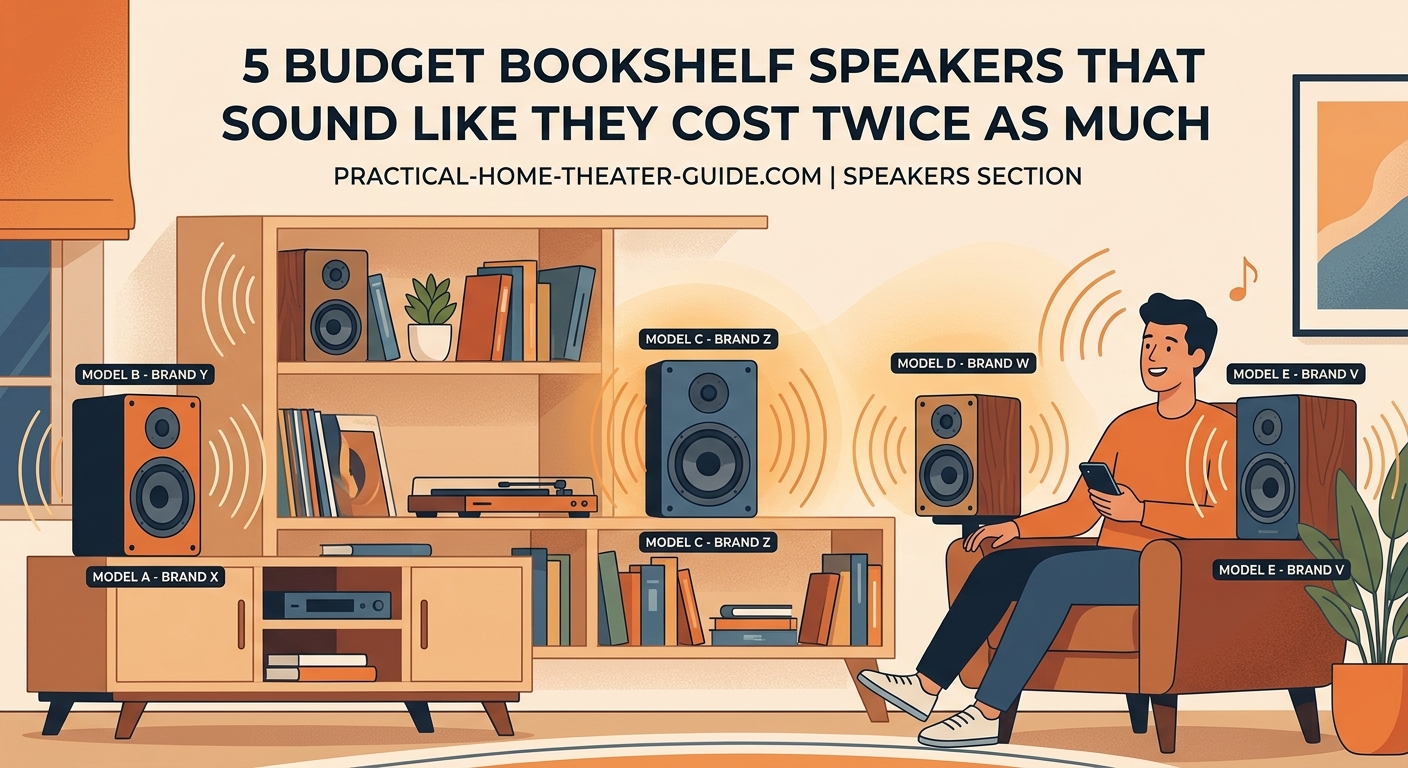
Small rooms need different speakers than large spaces.
In a 10×12 bedroom, a 4-inch woofer can pressurize the space without a subwoofer. The same speaker in a 15×20 living room will sound thin and struggle with bass. You’ll need 5.25-inch or 6.5-inch woofers to fill the volume.
Hard surfaces reflect sound. Rooms with hardwood floors, bare walls, and large windows create bright, sometimes harsh sound. Speakers with softer tweeters work better here. Carpeted rooms with furniture and curtains absorb highs. You might prefer speakers with more treble energy.
Room dimensions affect bass response through standing waves. Certain frequencies get louder while others cancel out. This happens in every room, but smaller spaces have more pronounced peaks and dips. Port placement matters here. Rear-ported speakers placed against walls can sound boomy. Front-ported or sealed designs give you more placement flexibility.
Your listening distance determines how much detail you hear. Sit 6 feet away and you’ll notice imaging precision and soundstage width. Sit 15 feet away and those qualities blur. Match your speakers to where you actually sit, not where you think you should sit.
The Five Features Worth Paying Extra For
Not all upgrades improve sound quality.
Bi-wire terminals let you run separate cables to the woofer and tweeter. This can reduce distortion, but only if you actually bi-wire or bi-amp your speakers. Otherwise, they’re just extra binding posts.
Magnetic grilles attach without visible screw holes. They look cleaner but don’t affect sound. Grilles themselves slightly reduce treble, so remove them for critical listening.
Curved cabinets reduce internal standing waves and look distinctive. They cost more to manufacture. Straight cabinets with proper bracing perform just as well.
Removable port plugs let you tune bass response. Plug the port for tighter bass near walls. Remove it for more extension in open spaces. This flexibility helps speakers work in different rooms.
Binding posts that accept banana plugs make connections easier and more secure than spring clips. They also let you upgrade to better speaker wire later without adapting.
| Feature | Sound Benefit | Visual Benefit | Worth the Cost? |
|---|---|---|---|
| Bi-wire terminals | Potential reduction in distortion | None | Only if you’ll use them |
| Magnetic grilles | Slightly better high frequencies | Cleaner look | Nice to have |
| Curved cabinets | Minimal improvement | Distinctive appearance | Usually not |
| Port plugs | Room adaptation flexibility | None | Yes for placement options |
| Quality binding posts | Better connection reliability | Professional appearance | Yes for long-term use |
Setting Up Your Speakers for Best Performance
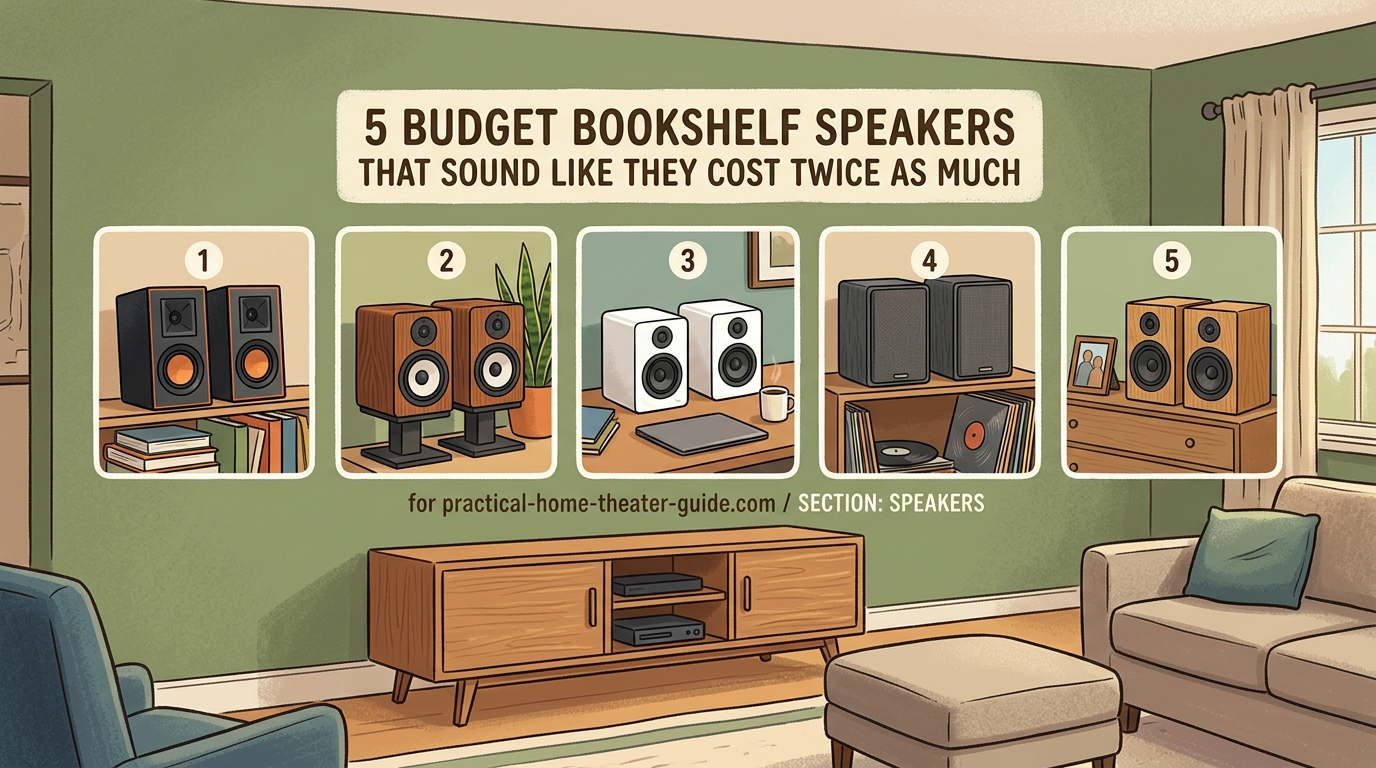
Placement changes everything.
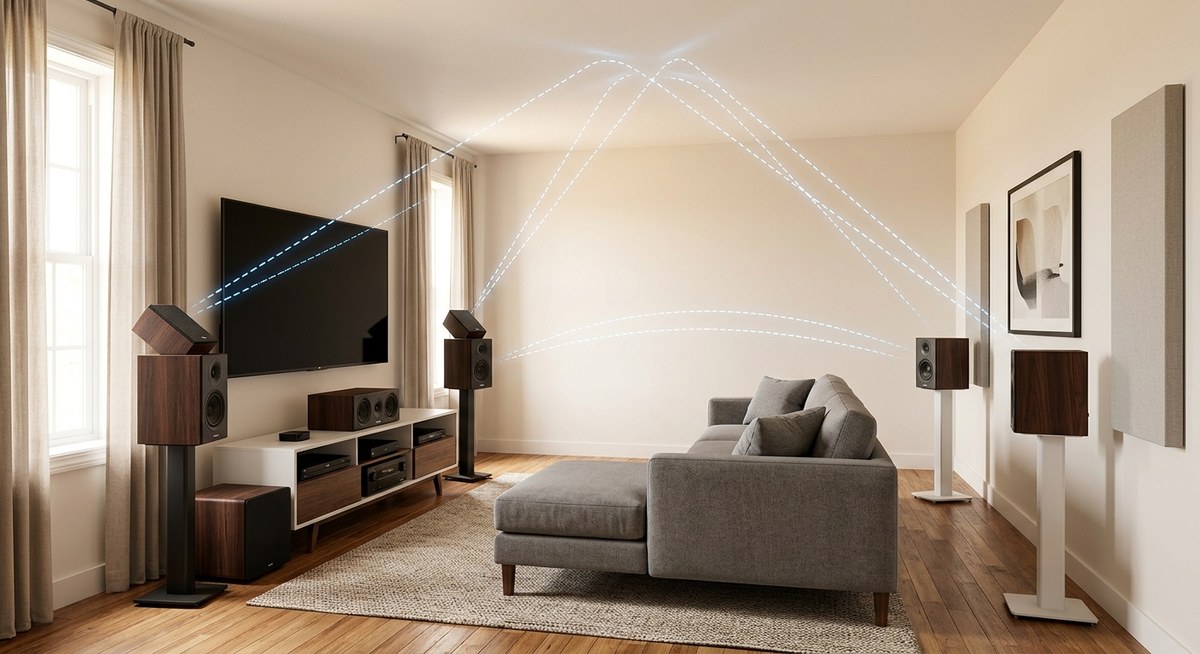
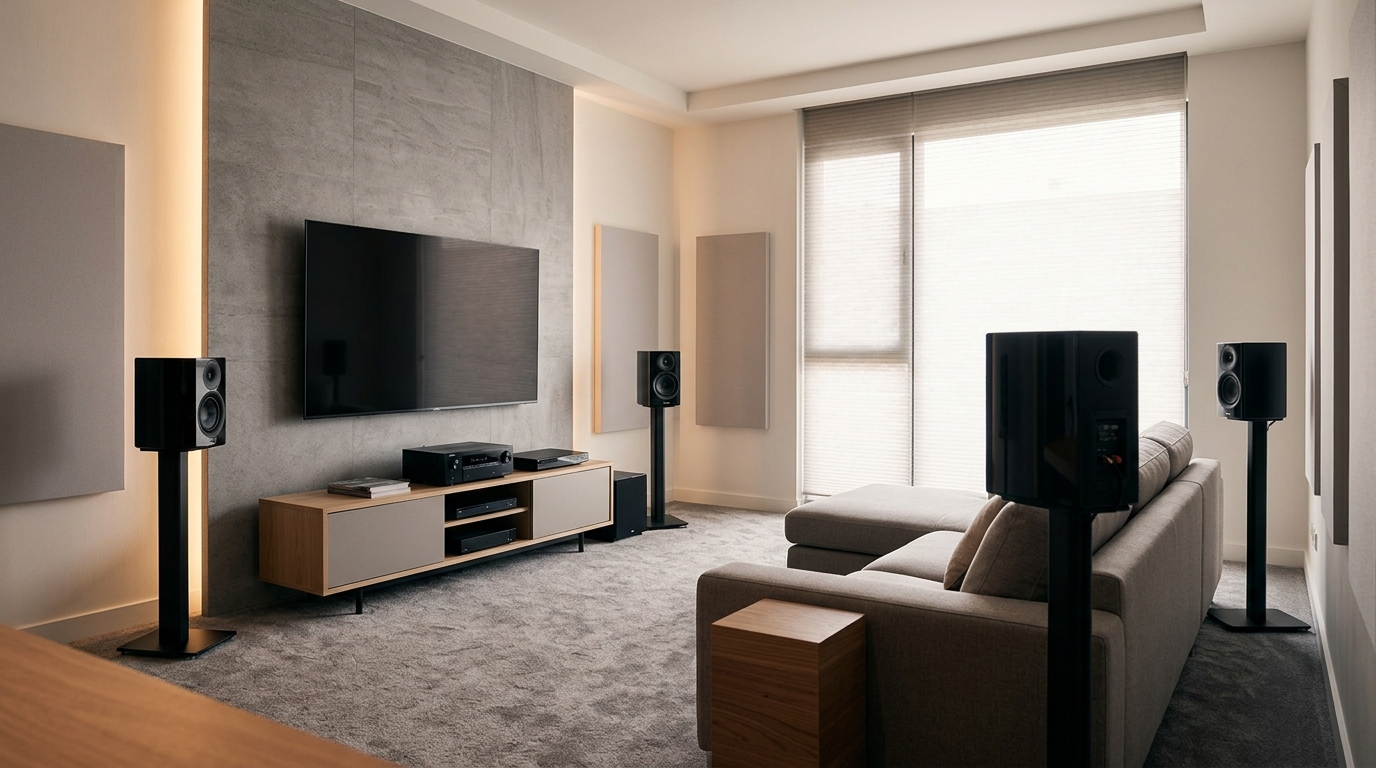
Start by positioning speakers at ear height when seated. Tweeters should aim directly at your listening position. Too high and vocals sound distant. Too low and the soundstage collapses.
Space speakers 6 to 8 feet apart for a standard listening triangle. Angle them inward so they point at your head. This creates a focused center image where vocals and lead instruments lock into place.
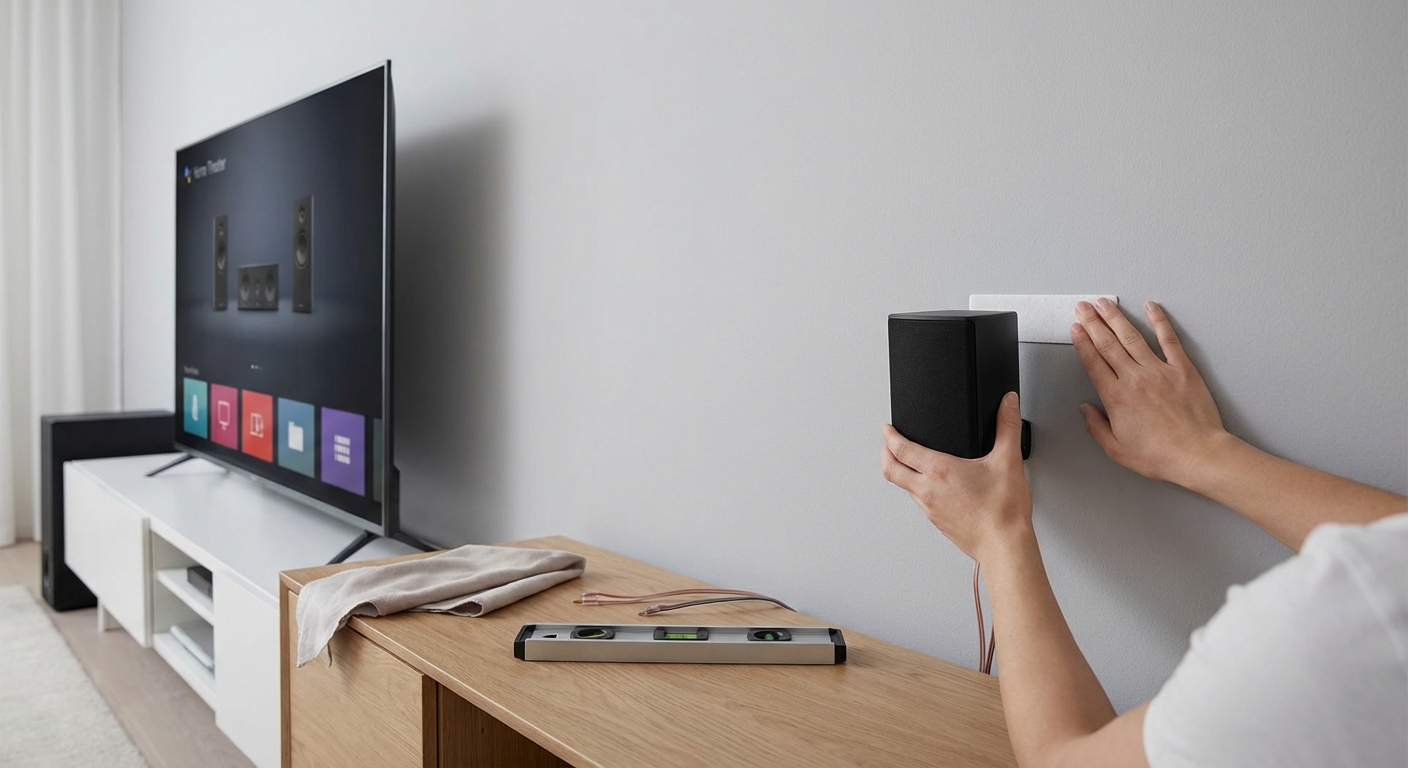
Pull speakers away from walls. Even 12 inches of clearance reduces bass buildup and improves clarity. Rear-ported speakers need more space than front-ported or sealed designs. Wall mounting affects sound quality through boundary reinforcement, so experiment with distance.
Use sturdy stands that place tweeters at ear level. Wobbly stands blur imaging and reduce bass impact. Fill hollow stands with sand or lead shot to add mass and damping. Couple stands to the floor with spikes on hard surfaces or rubber feet on carpet.
Consider acoustic treatment if your room sounds harsh or boomy. Echo and reverb problems often come from bare walls behind your listening position. A simple acoustic panel or bookshelf behind you can clean up reflections without major room changes.
Position your speakers first, then adjust receiver settings. No amount of EQ can fix poor placement, but good placement makes even budget speakers shine.
Common Mistakes That Waste Your Money
Buying speakers without hearing them rarely works out.
Frequency response graphs don’t tell you how a speaker sounds. Two speakers with identical measurements can have completely different tonal balance. One might sound warm and forgiving while the other sounds analytical and fatiguing. Read multiple reviews and watch video comparisons to understand the sound signature.
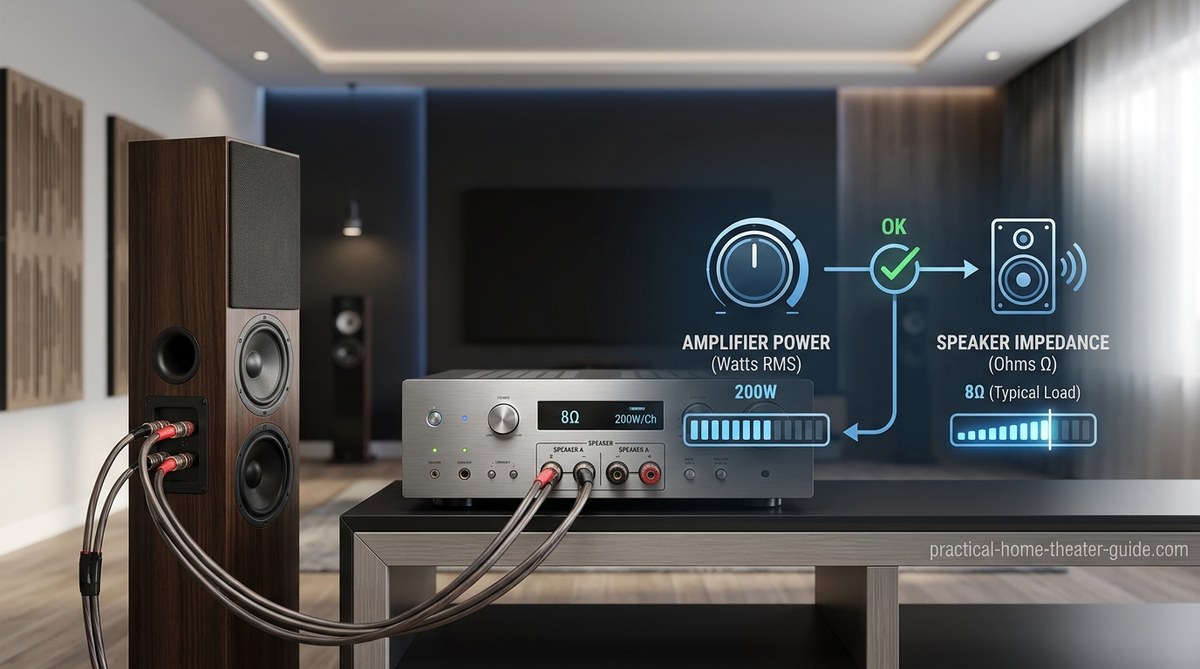
Underpowering speakers causes more damage than overpowering them. A weak amplifier clips when pushed hard, sending distorted DC voltage to drivers. This burns voice coils. A powerful amplifier playing at moderate volume sends clean signal. Matching wattage correctly protects your investment.
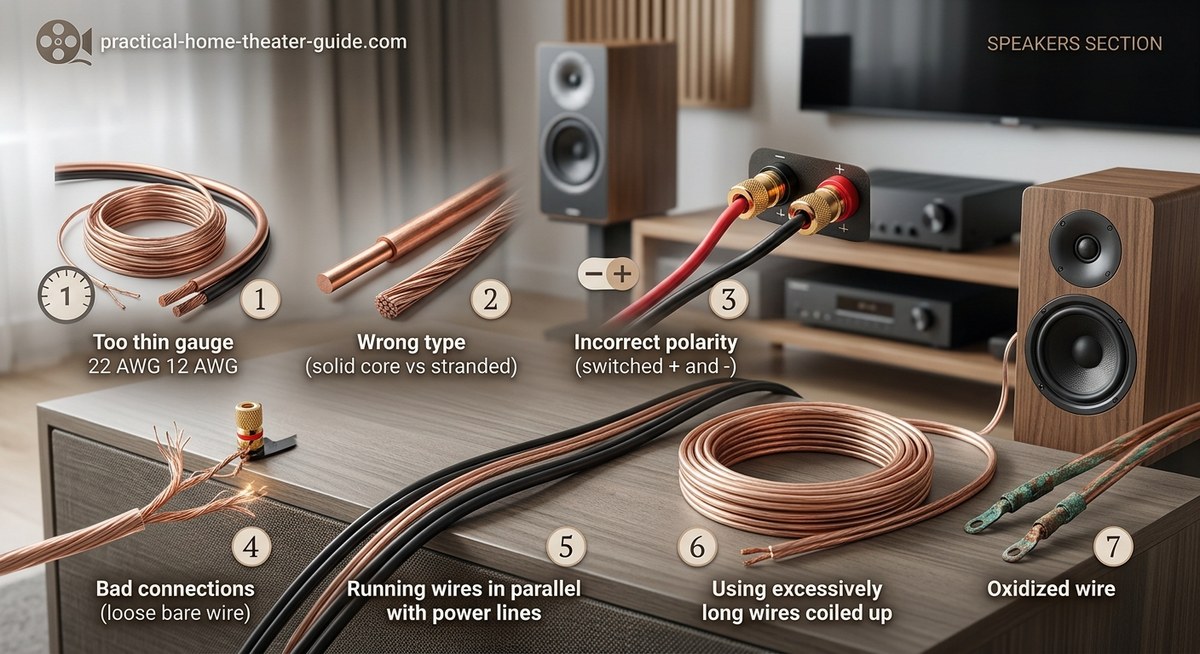
Skimping on speaker wire makes no sense. You don’t need exotic cables, but 18-gauge zip cord limits power delivery and increases resistance. Use 16-gauge for runs under 25 feet and 14-gauge for longer distances. Proper gauge wire costs pennies per foot.
Ignoring impedance matching creates problems. Most bookshelf speakers run 8 ohms, but some drop to 4 ohms. Budget receivers struggle with 4-ohm loads, running hot and potentially shutting down. Check your receiver’s specifications before buying low-impedance speakers.
Expecting bookshelf speakers to deliver subwoofer bass leads to disappointment. Even large bookshelf speakers roll off below 50Hz. Movies and electronic music need deeper extension. Adding a subwoofer fills in what bookshelf speakers can’t reproduce.
Breaking In New Speakers
New speakers sound different than speakers with 50 hours of use.
Driver surrounds need time to loosen up. Fresh rubber or foam surrounds feel stiff. This limits excursion and makes bass sound tight or restrained. After a few weeks of normal use, surrounds become more compliant and bass opens up.
Play varied content during break-in. Music with deep bass, vocals, and percussion exercises all driver components. Avoid maximum volume during the first 20 hours. Let components settle gradually.
Some people hear dramatic changes during break-in. Others notice subtle differences. Your ears also adapt to a new speaker’s sound signature. What seemed bright on day one might sound normal after a week.
Don’t obsess over break-in. Use your speakers normally and let time do the work. If something sounds wrong after 50 hours, it’s probably a setup issue rather than incomplete break-in.
How to Evaluate Speakers Before Buying
Bring familiar music to your audition.
Choose three or four tracks you know intimately. Pick songs with clear vocals, acoustic instruments, and some bass content. You’ll immediately hear whether a speaker reproduces these elements naturally.
Listen at the volume you’ll actually use. Speakers that sound great at reference levels might fall apart at moderate volume. Conversely, speakers that excel at low volume might compress or distort when pushed.
Pay attention to these specific elements:
- Vocal clarity through the entire frequency range, from deep male voices to high female vocals
- Bass control without boominess or one-note reproduction
- High-frequency extension that sounds detailed but not harsh
- Imaging precision where you can locate individual instruments
- Tonal balance that doesn’t emphasize any frequency range unnaturally
Compare speakers back to back if possible. Your audio memory fades quickly. Switching between speakers reveals differences you might miss during separate listening sessions.
Trust your ears over specifications. A speaker that measures perfectly but fatigues you after 20 minutes isn’t a good choice. A speaker with imperfect measurements that keeps you engaged for hours is.
Pairing Speakers With Your Receiver
Amplifier quality matters as much as speaker quality.
Budget receivers from reputable brands work fine for most bookshelf speakers. Look for models rated 50 watts per channel or higher into 8 ohms. This provides enough headroom for dynamic peaks without strain.
Connecting your AV receiver properly ensures you get full performance. Use the main front speaker outputs, not the surround or height channels. Those outputs sometimes receive less power or filtered signals.
Room correction systems like Audyssey, Dirac, or YPAO can help or hurt sound quality. Auto-calibration sometimes makes things worse by over-correcting room modes or applying too much EQ. Run the calibration, listen critically, then decide whether to keep it active.
Speaker wire connections need attention. Strip wire carefully to expose fresh copper without nicking strands. Twist strands tightly and insert fully into binding posts. Loose connections create resistance and degrade sound.
Check phase by playing bass-heavy content. If bass sounds weak or diffuse, one speaker might be wired backwards. Swap the positive and negative connections on one speaker and listen again. Proper phase creates focused, powerful bass.
Understanding Sensitivity and Power Handling
These specifications determine how loud your speakers play.
Sensitivity measures sound pressure level from one watt of power at one meter distance. A speaker rated 88dB produces 88 decibels with one watt. Add 3dB for each doubling of power. Two watts creates 91dB, four watts produces 94dB, and so on.
Higher sensitivity means louder sound from less power. This matters with budget receivers that might only deliver 50 watts per channel. An 88dB speaker reaches 105dB with 50 watts. An 85dB speaker only reaches 102dB with the same power.
Power handling ratings tell you maximum continuous power before damage occurs. This number matters less than you think. You rarely use maximum power except during brief peaks. A speaker rated for 75 watts works fine with a 100-watt receiver as long as you don’t push volume into clipping.
Thermal compression reduces output as voice coils heat up. Sustained high volume causes this. The speaker still works but becomes less efficient. Better speakers use larger voice coils and better heat dissipation to minimize compression.
Pay more attention to sensitivity than power handling when comparing speakers. A sensitive speaker with modest power handling often plays louder and cleaner than an insensitive speaker with high power handling.
Bookshelf Speakers vs Other Options
Different speaker types serve different needs.
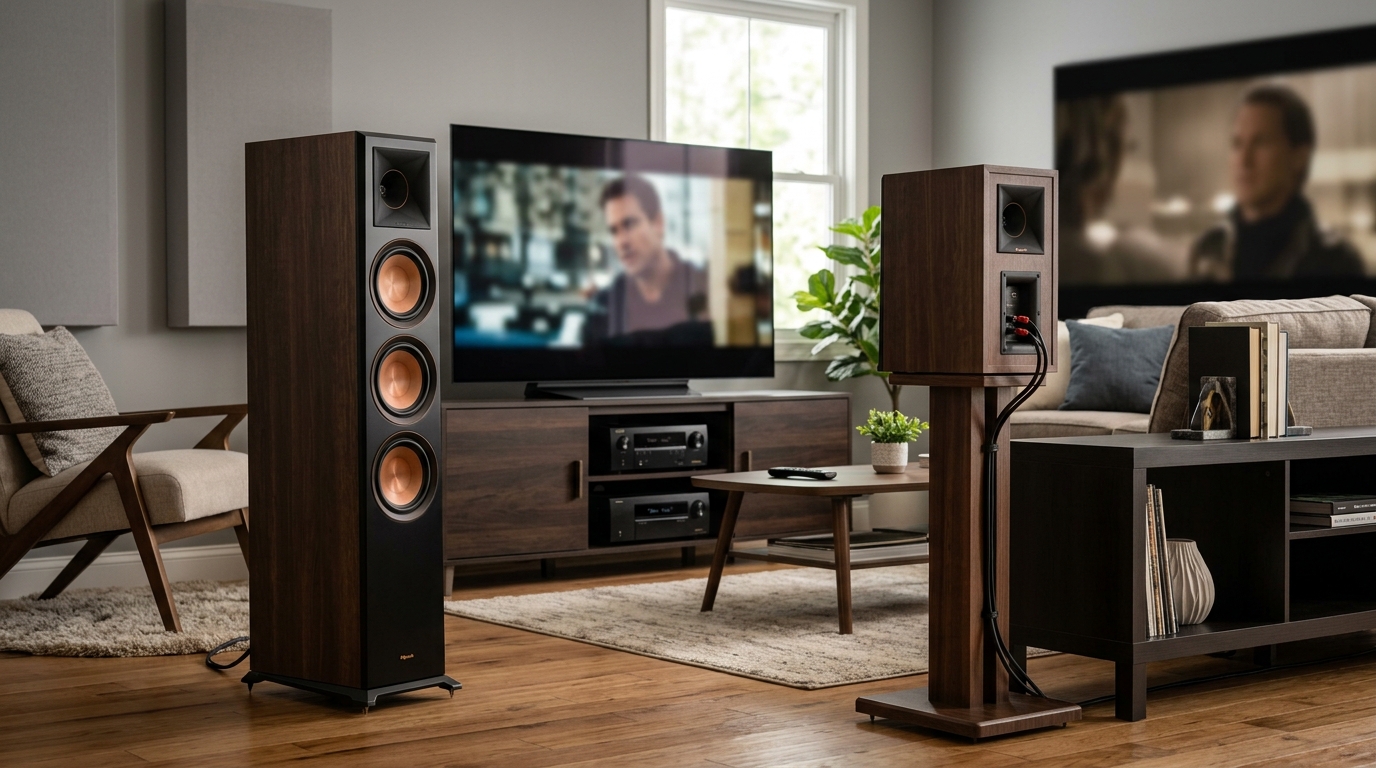
Floor-standing speakers deliver deeper bass and higher output but cost more and take up floor space. They work better in large rooms where bookshelf speakers struggle to pressurize the volume.
Powered monitors include built-in amplifiers matched to the drivers. This eliminates receiver matching concerns but limits flexibility. You can’t upgrade the amplifier separately or use them in a surround system easily.
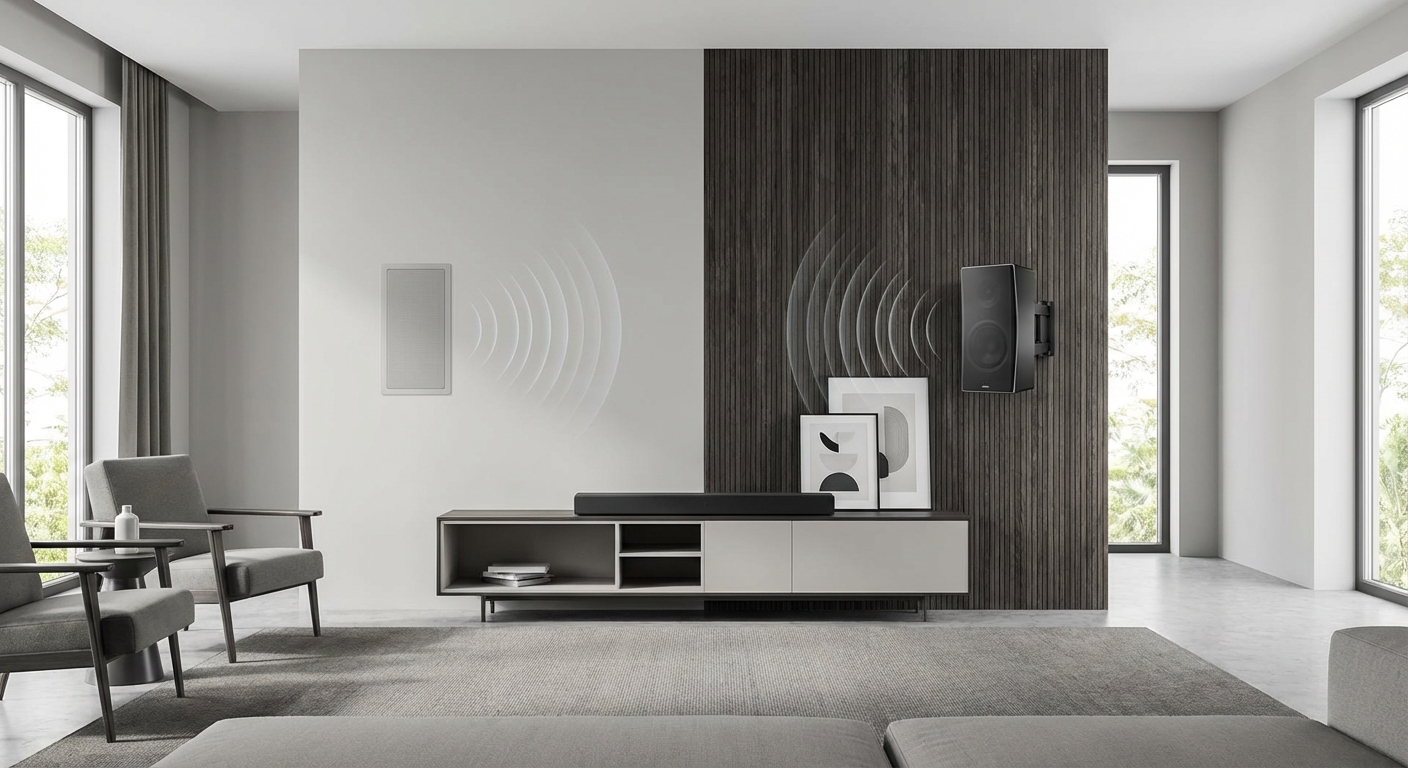
Soundbars offer simplicity but rarely match the imaging and clarity of separate speakers. They work for casual listening but disappoint critical listeners.
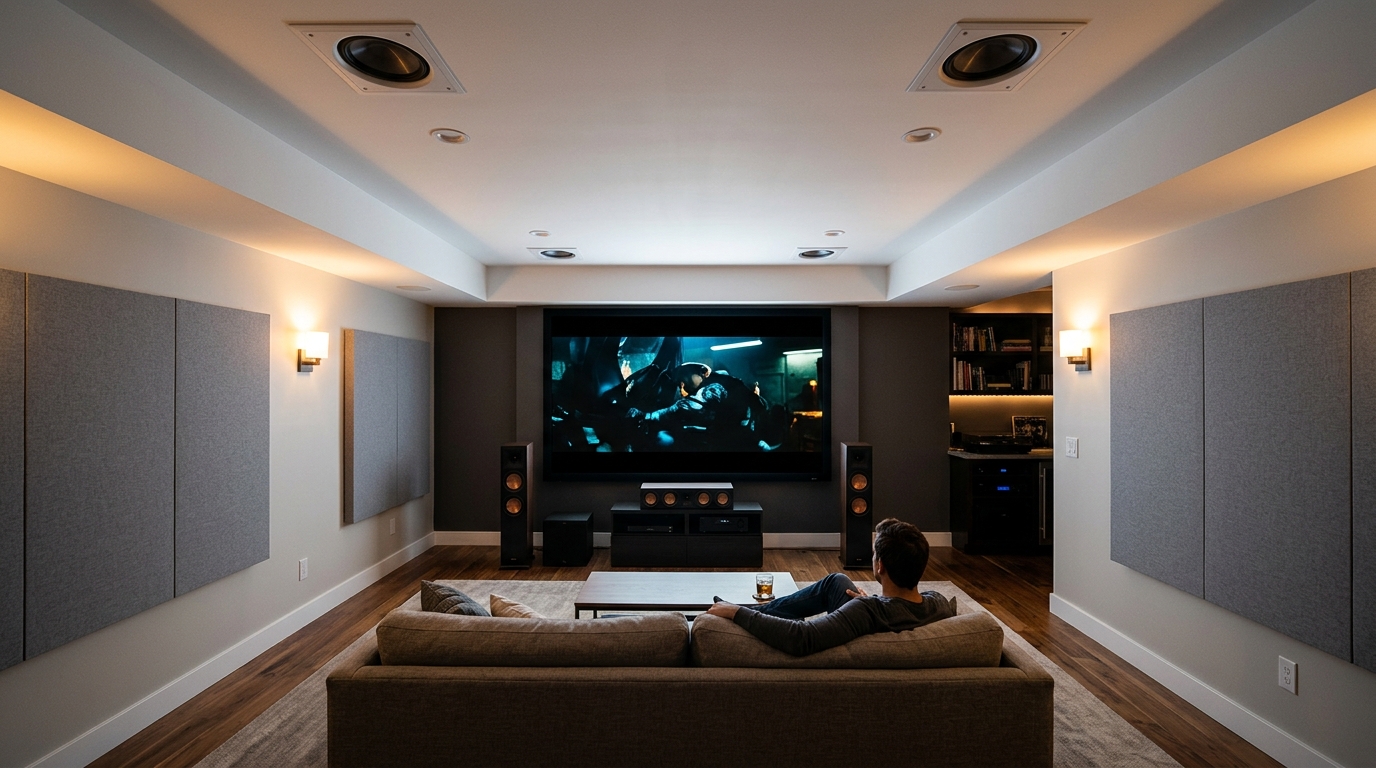
In-wall speakers save space but require cutting into walls. Installation method affects sound quality through cabinet volume and boundary coupling.
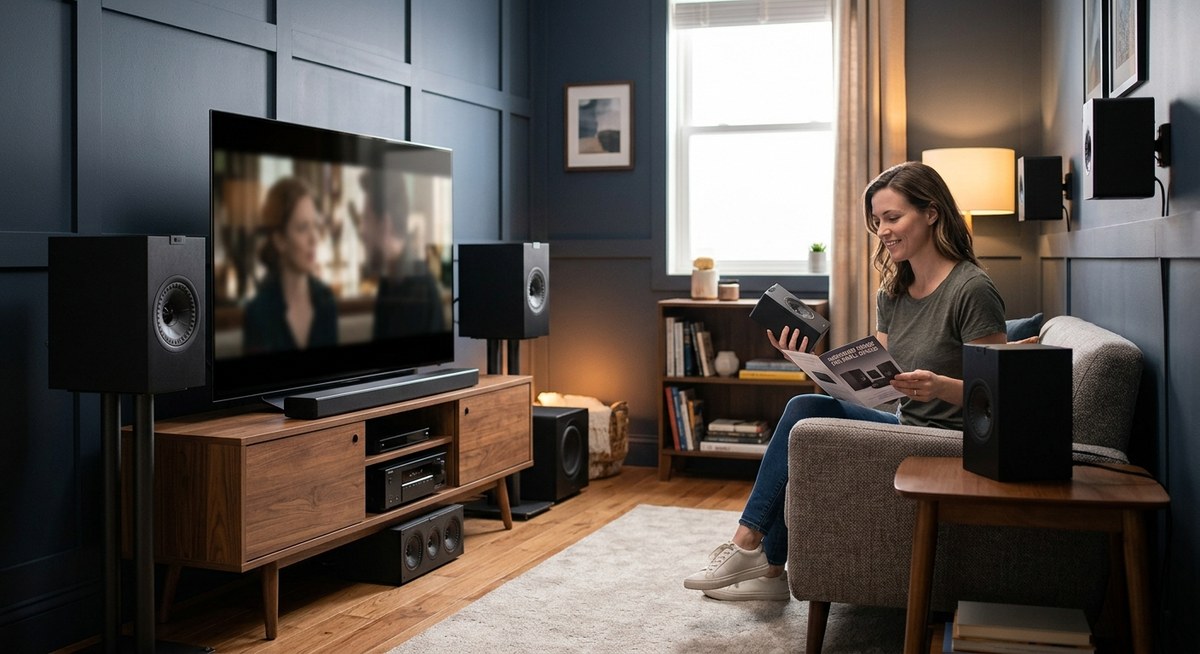
Bookshelf speakers offer the best balance of performance, flexibility, and value for most people. They work for stereo music, home theater front channels, or surround duties. Choosing between 5.1 and 7.1 configurations becomes easier when you start with quality bookshelf speakers for the front stage.
Making Your Final Decision
Start by setting a firm budget that includes stands and wire.
Allocate 70% to speakers, 20% to stands, and 10% to wire and accessories. This ratio ensures your speakers sit at the right height with proper connections.
Read professional reviews from sources that measure speakers objectively. Look for consistent praise or criticism across multiple reviewers. One glowing review might be an outlier. Five reviews mentioning the same strengths or weaknesses reveal the speaker’s true character.
Check return policies before buying. Some retailers offer 30 to 60 day returns on speakers. This lets you test them in your room with your gear. Online reviews can’t predict how speakers will sound in your specific space.
Consider buying previous generation models. Speaker technology evolves slowly. Last year’s flagship often matches this year’s mid-range model at a lower price. Choosing between last year’s flagship and this year’s mid-range applies to speakers as much as receivers.
Buy from retailers with knowledgeable staff who can answer technical questions. Big box stores rarely employ people who understand speaker specifications and setup. Specialty audio shops cost more but provide expertise that helps you avoid expensive mistakes.
- Set a total budget including all accessories
- Read multiple professional reviews for consistency
- Verify return policies for home auditions
- Consider previous generation models for value
- Shop where staff can provide real expertise
Getting the Most From Your Purchase
Proper setup takes time but pays off.
Spend an afternoon experimenting with speaker placement. Move them closer together, farther apart, nearer to walls, and away from walls. Small changes create noticeable differences. Arranging furniture without blocking speakers prevents acoustic dead zones.
Calibrate your receiver using the included microphone. This sets proper levels and delays for your room. You can adjust the results manually if auto-calibration sounds off.
Keep grilles off for serious listening. Put them back on when guests visit or when you need protection from kids or pets. The sonic difference is subtle but real.
Maintain realistic expectations about bass extension. Bookshelf speakers reproduce most music and movie content beautifully. They can’t shake your room like a subwoofer. Accept this limitation or plan to add a sub later.
Take notes during your first weeks of ownership. Write down what sounds good and what doesn’t. This helps you identify whether issues stem from the speakers, your room, or your setup. Many perceived speaker problems actually come from poor placement or incorrect receiver settings.
Your Speakers Are Only Part of the System
Great speakers reveal everything upstream.
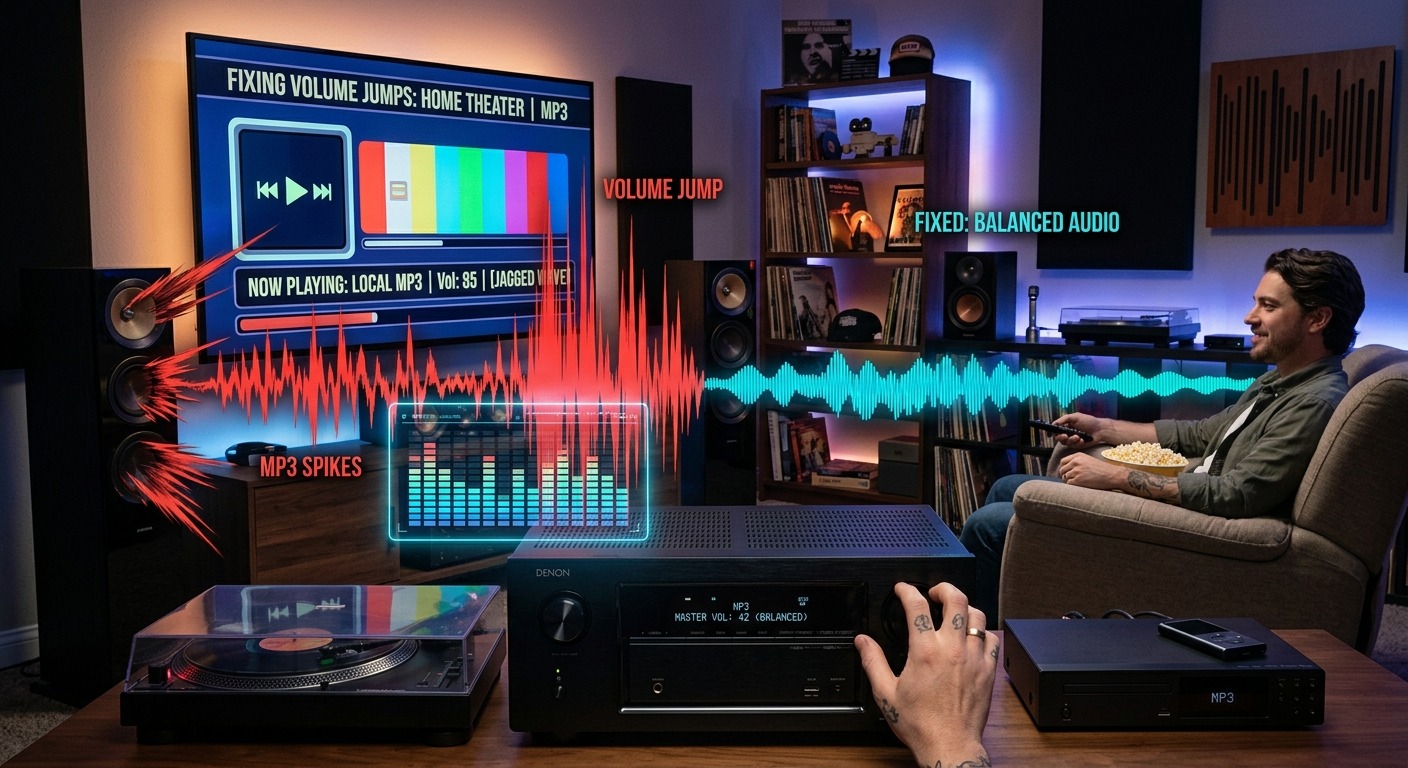
Streaming services using lossy compression sound noticeably worse through quality speakers. Upgrade to lossless streaming or local files if you hear compression artifacts.
Your receiver’s DAC affects sound quality. Budget receivers have adequate DACs, but dedicated external DACs can improve detail and dynamics. This upgrade makes sense after you’ve optimized speaker placement and room acoustics.
Room acoustics affect sound more than any component upgrade. Hard, reflective rooms need acoustic treatment. Soft, absorptive rooms might need diffusion. Address obvious acoustic problems before buying more gear.
Source quality matters too. A poorly mastered recording sounds bad on any system. Don’t blame your speakers for bad source material. Test with well-recorded music to hear what your system can really do.
The best budget bookshelf speakers deliver years of listening enjoyment. They reveal details you’ve never heard in familiar music. They make movie dialogue crystal clear. They create a convincing soundstage that places instruments in three-dimensional space. Choose carefully, set them up properly, and they’ll sound like speakers costing twice as much.

Leave a Reply