
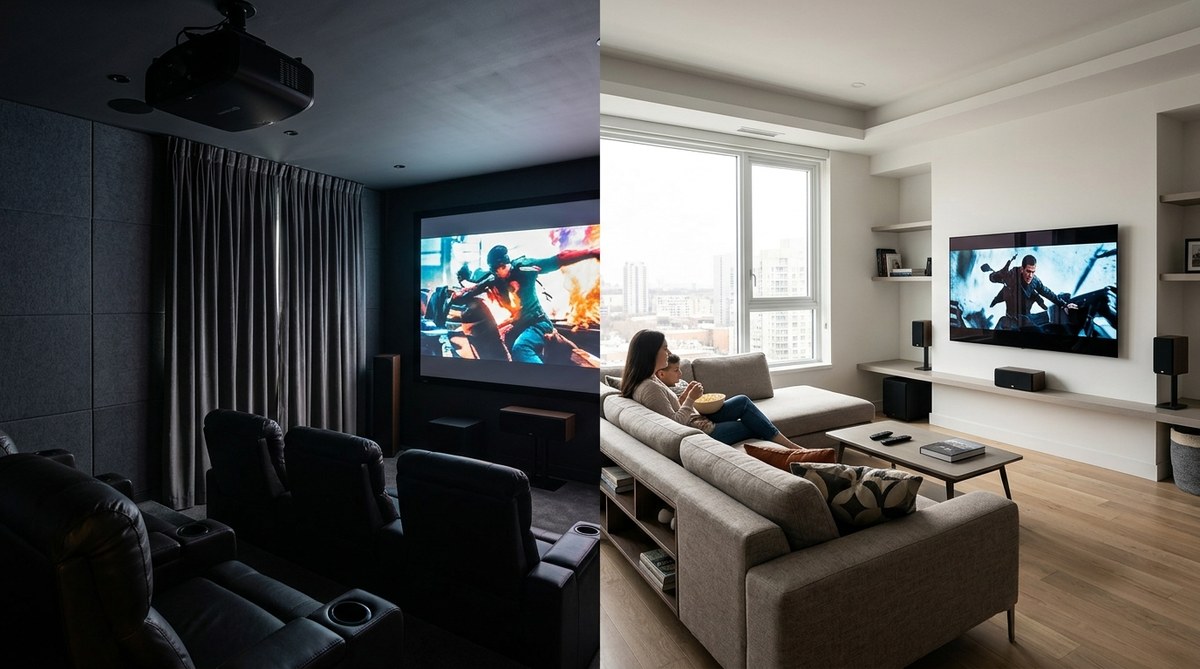
Creating the perfect media and entertainment environment at home depends on your lifestyle, space, and priorities. Should you carve out a dedicated home theater room or convert a regular living space into a versatile entertainment zone? Both options have their merits and challenges. Understanding their differences can help you make a smart choice that enhances your viewing experience without sacrificing daily comfort.
Choosing between a home theater room and a living space depends on your entertainment habits, available space, budget, and how much you value dedicated performance versus daily convenience. Both setups can be optimized with thoughtful design and gear selection.
What Is a home theater room and why consider one?
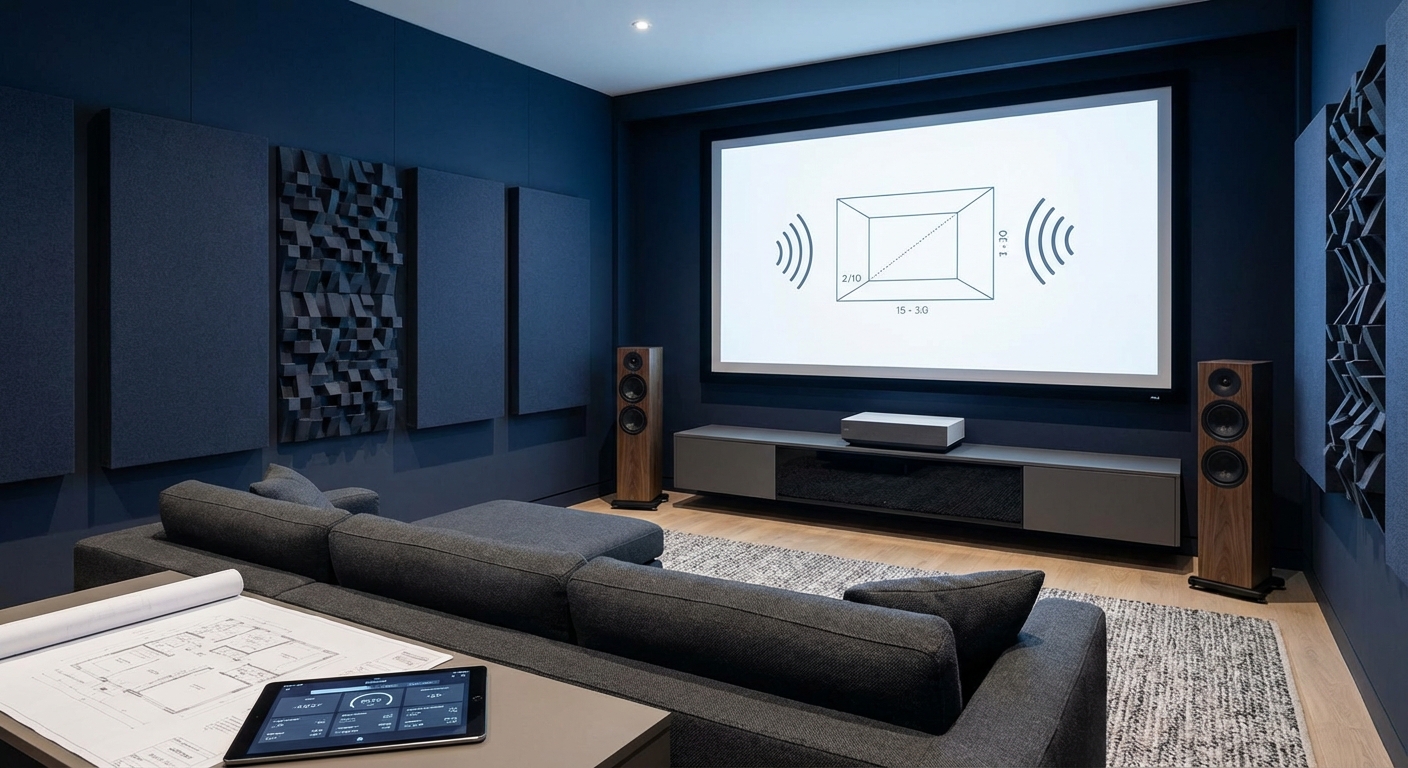
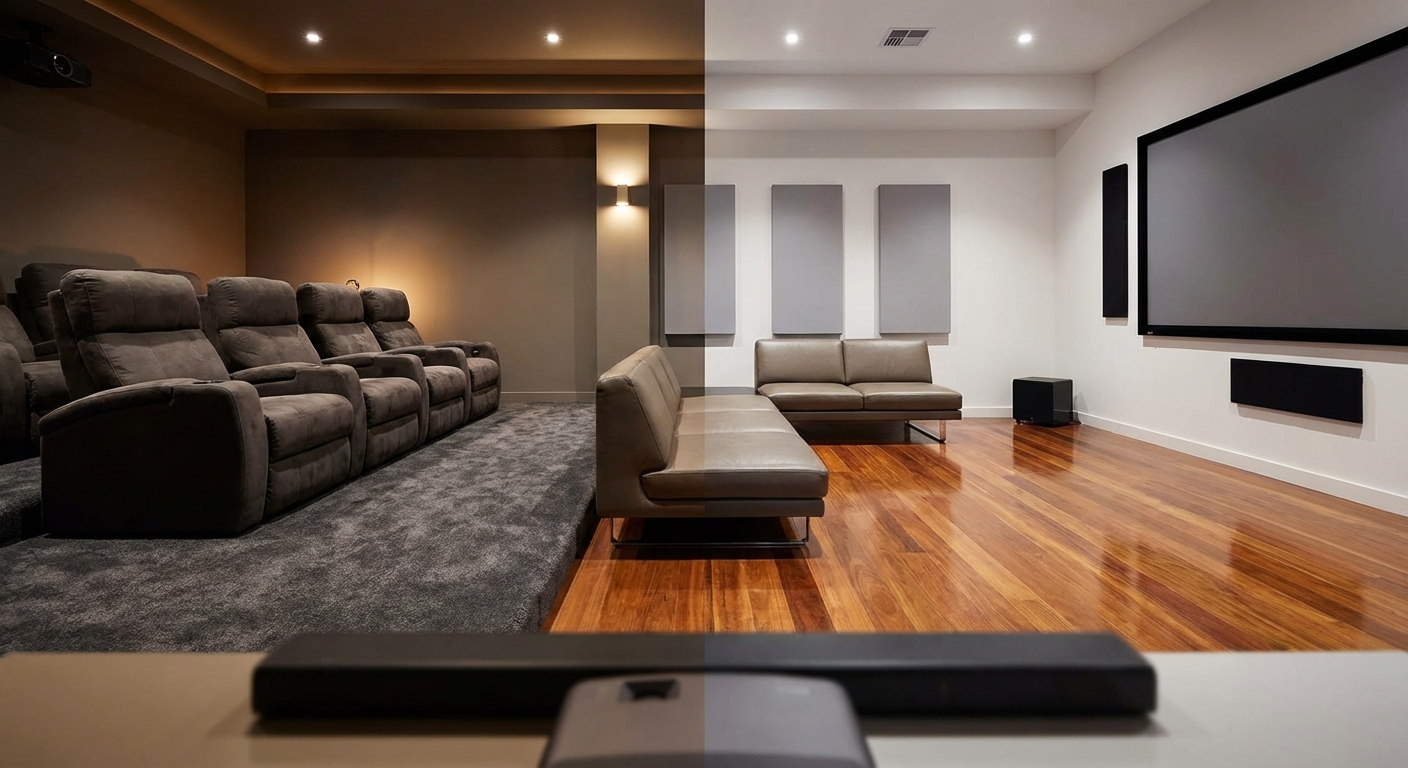
A home theater room is a space specifically designed to deliver a cinematic experience. It typically features soundproofing, controlled lighting, high-end audio and video gear, and optimized acoustics. The goal is to replicate the movie theater atmosphere at home. Many homeowners love the idea of a dedicated room because it provides an immersive escape where everything is tailored for movies, TV shows, gaming, and music.
However, building a home theater room involves significant investment. You need to consider room size, soundproofing measures, lighting controls, and specialized equipment. This dedicated space often becomes a focal point of the home, requiring careful planning and a budget for quality gear.
Advantages of a dedicated home theater space
- Unmatched audio and visual quality: The room’s acoustics and lighting can be optimized to deliver superior sound and picture.
- Full control over environment: Light, sound, seating, and décor can be tailored to your preferences.
- Reduced distractions: With a room solely for entertainment, interruptions from daily household activities are minimized.
- Enhanced social experience: It becomes a gathering spot for family movie nights or gaming parties with friends.
Drawbacks of a home theater room
- High setup costs: Soundproofing, high-end displays, and acoustical treatments add up.
- Space requirements: Not every home has a spare room to convert.
- Limited flexibility: Once dedicated, the space may not serve other functions well.
“A well-designed home theater can elevate your movie nights, but it requires a clear vision and commitment to create an environment that truly enhances your viewing pleasure.” — Home entertainment expert
What is a living space home theater and why choose one?
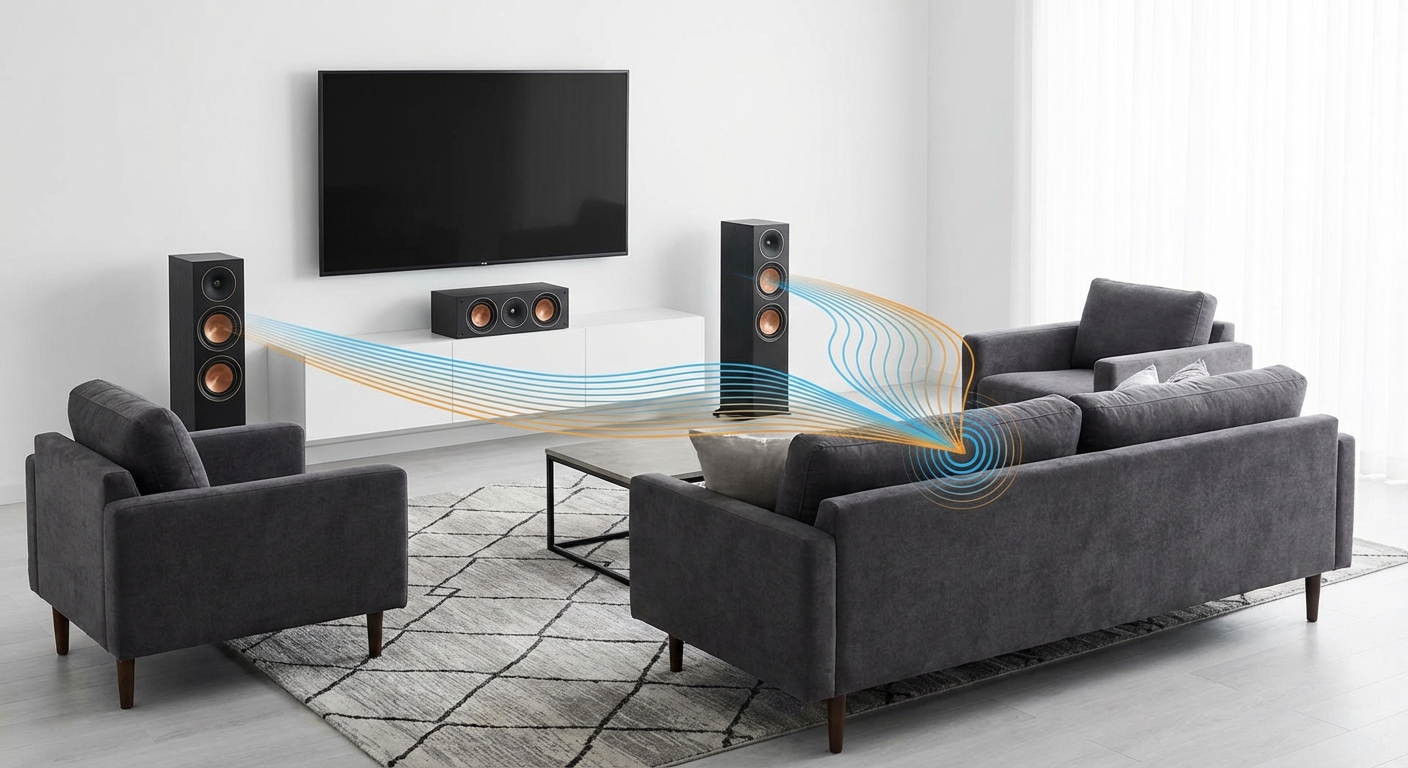
A living space conversion turns a regular room such as a family room or basement into a multi-purpose entertainment area. This setup balances daily living with occasional movie nights, gaming, or streaming sessions. It’s often a more practical option, especially if space or budget is limited.
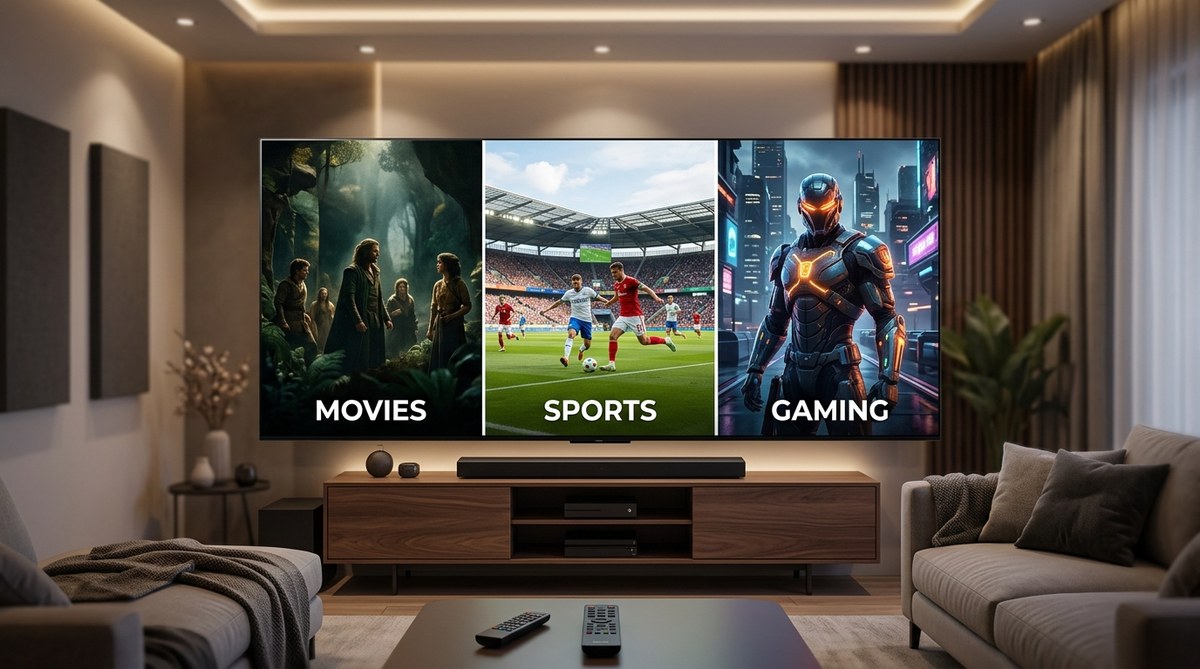
Living spaces are more flexible. You can incorporate a large TV or projector, sound system, and comfy seating without sacrificing the room’s primary functions. The key is to optimize the room’s layout and gear to make it suitable for both entertainment and everyday use.
Benefits of converting a living space for entertainment
- Cost-effective: You can upgrade existing furniture and gear without extensive construction.
- Multi-use flexibility: The room serves as a family lounge, homework area, and media zone.
- Less commitment: It doesn’t require a major renovation or dedicated room.
- Ease of integration: You can hide equipment and cables easily in a typical living room setting.
Challenges of a living space setup
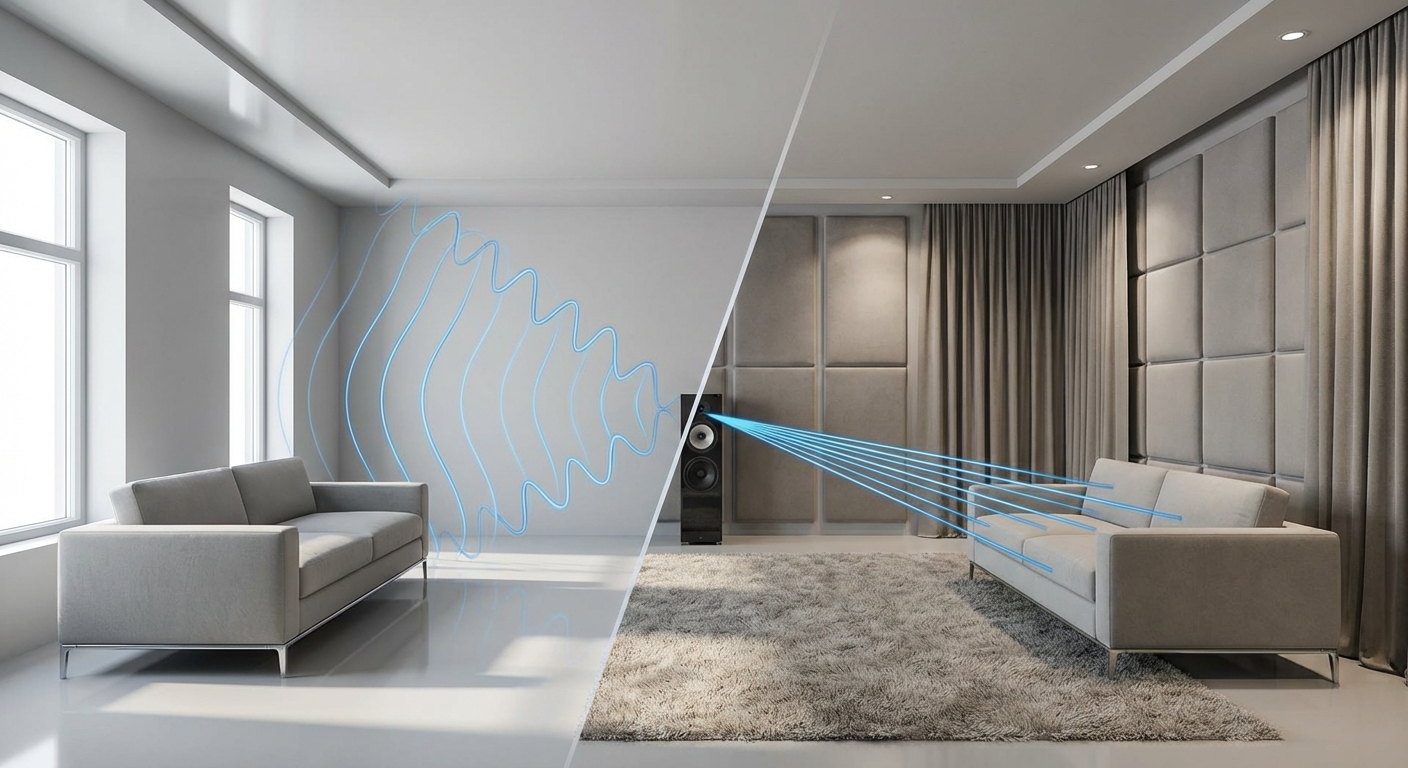
- Compromised acoustics: Without soundproofing or treatments, sound may leak or be less precise.
- Lighting issues: Ambient light can affect picture quality, especially with projectors.
- Limited customization: You might not achieve the same immersive environment as a dedicated theater.
Key differences in design and gear
| Aspect | Home theater room | Living space setup |
|---|---|---|
| Room purpose | Primarily for movies, gaming, music | Multi-purpose: family room, media, daily living |
| Acoustics | Soundproofing, dedicated acoustical treatments | Basic acoustics, no soundproofing |
| Lighting | Controlled, dimmable, blackout options | Ambient lighting, windows, natural light |
| Gear | High-end projector or TV, surround sound, acoustics | Large TV or projector, soundbar or surround speakers |
| Layout | Optimized for sound and picture, seating centered | Flexible, furniture arrangement varies |
| Cost | Higher investment in room modifications and gear | Lower cost, upgrade existing furniture |
Practical steps to decide which setup fits you
- Assess your space and budget: Do you have a spare room or basement? How much can you invest?
- Identify your entertainment needs: Are you a movie buff or casual viewer? Do you prefer dedicated quality or convenience?
- Consider daily use: Will the room serve as a family lounge or a dedicated theater? How often do you watch movies?
- Plan your gear: Will a large TV suffice or do you want a projector with a screen? How important is audio quality?
- Visualize the environment: Think about lighting, acoustics, and furniture. Can you control ambient conditions effectively?
Tips for optimizing each setup
For a home theater room
- Invest in soundproofing to keep noise contained.
- Use blackout curtains or paint to control lighting.
- Choose high-quality AV gear tailored for a dedicated environment.
- Add acoustic panels and bass traps for perfect sound.
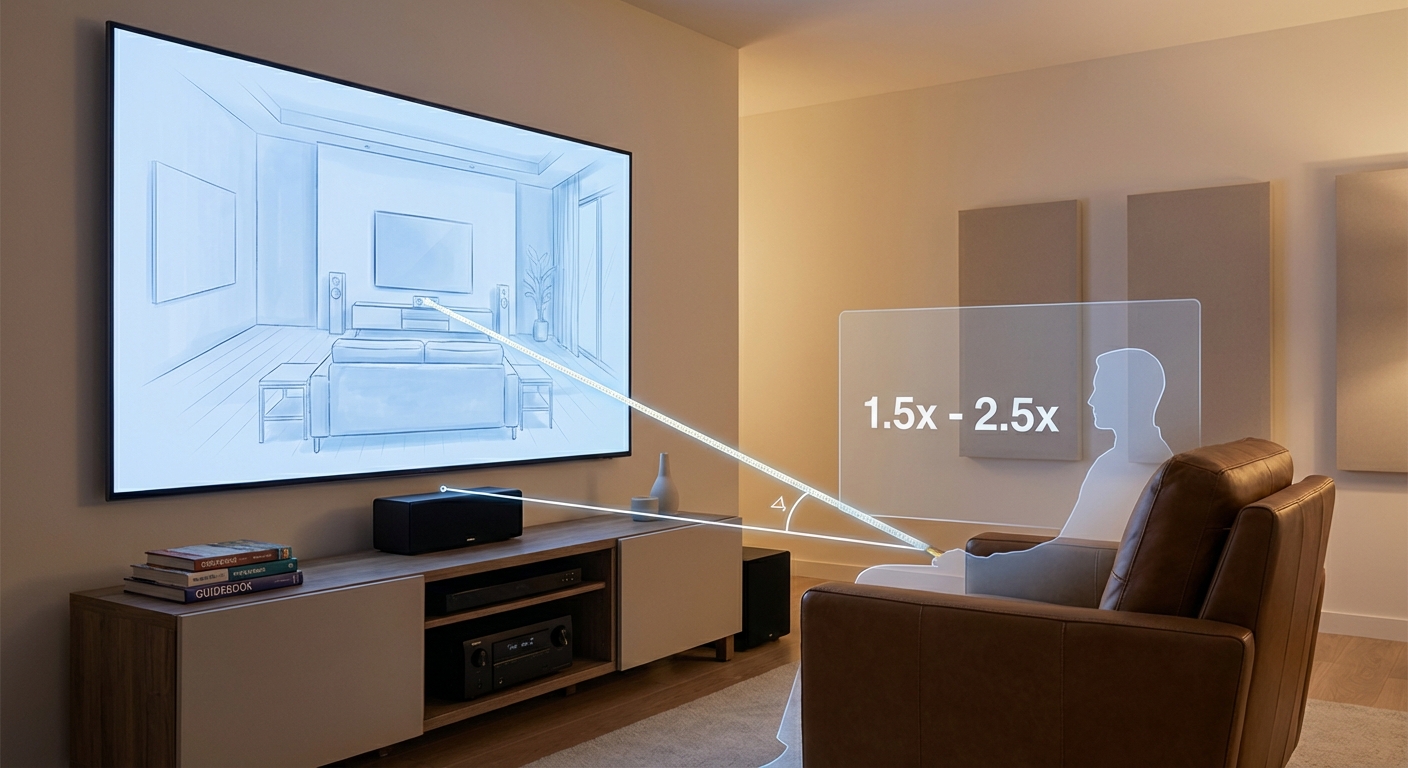
- Design seating for optimal viewing angles and comfort.
For a living space
- Use a large, high-quality TV or projector with ambient light rejection screens.
- Incorporate a good soundbar or compact surround sound system.
- Use smart lighting options to reduce glare.
- Hide cables and equipment for a clean look.
- Select versatile furniture that can adapt to different uses.
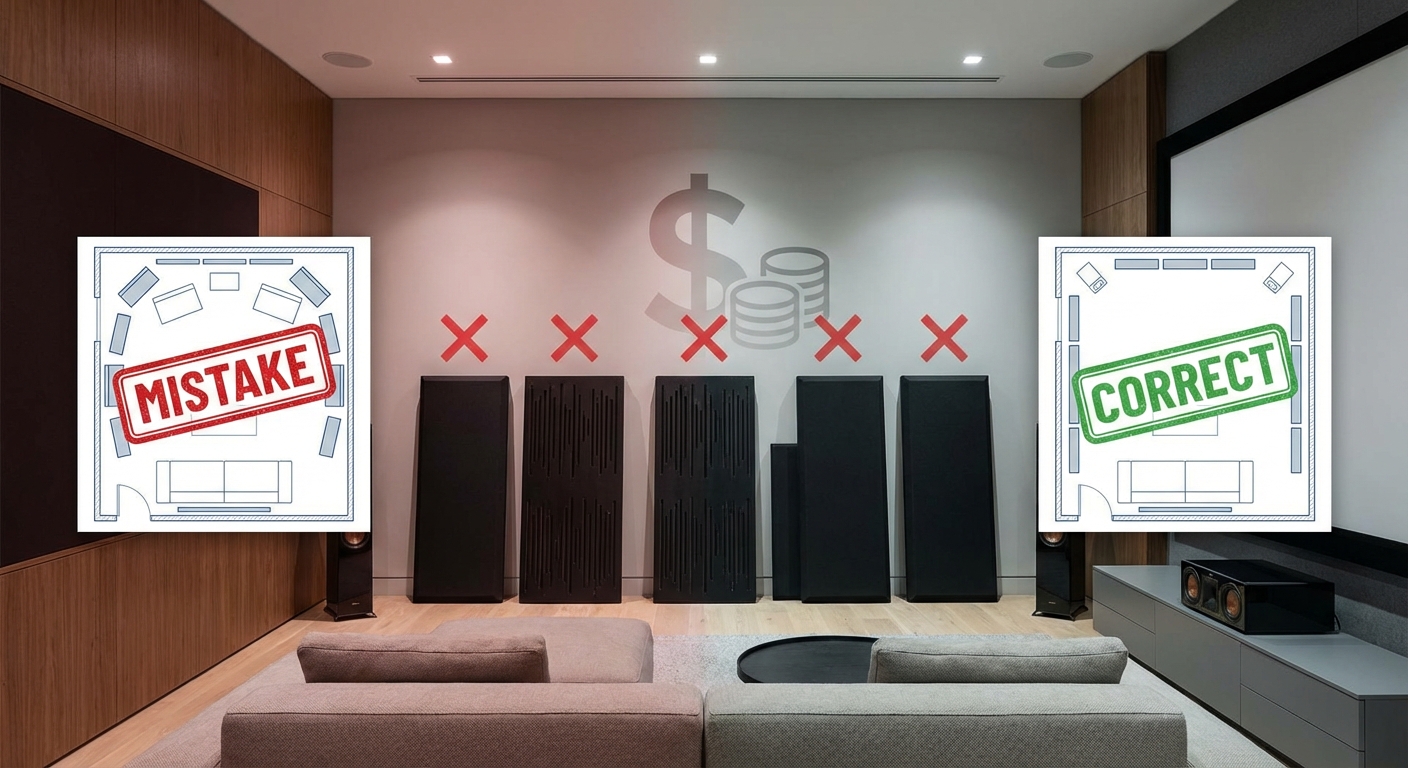
Common pitfalls and how to avoid them
| Mistake | Technique | Why it hurts |
|---|---|---|
| Overlooking room acoustics | Add acoustic treatments | Poor sound clarity and echo |
| Ignoring lighting controls | Install dimmable lights or blackout shades | Glare and poor picture contrast |
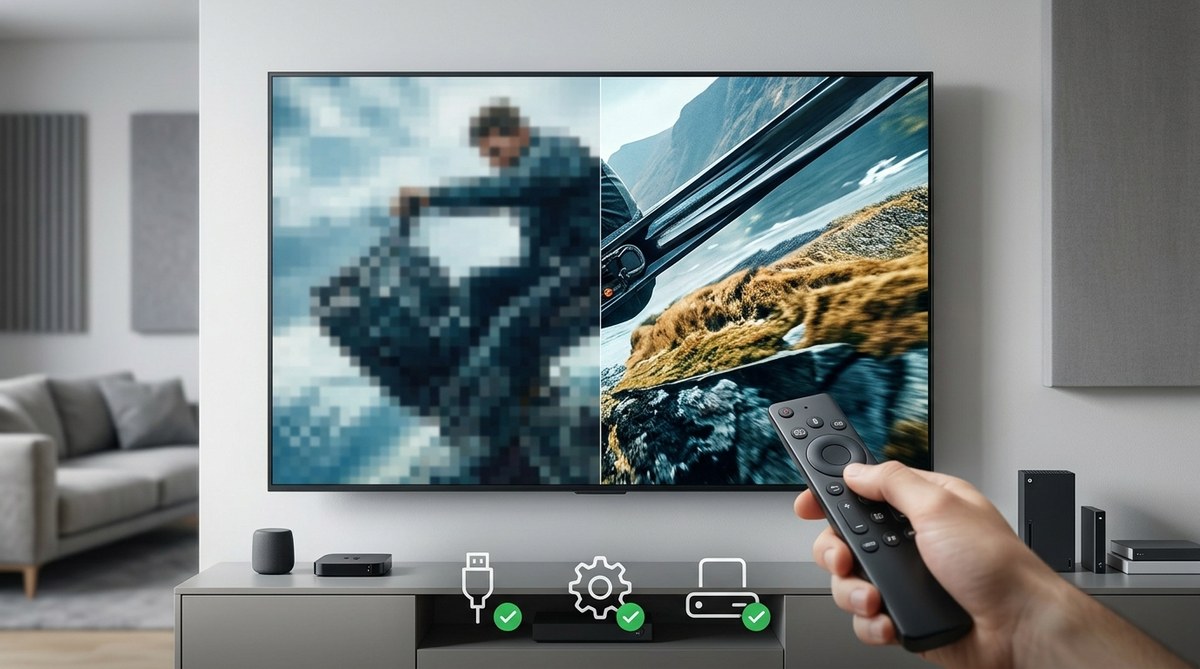
| Choosing incompatible gear | Match AV components properly | Reduced performance and frustration |
| Neglecting cable management | Use cable organizers and concealment | Clutter and accidental disconnections |
| Forgetting comfort | Select ergonomic seating | Fatigue during long viewing sessions |
Expert advice for making the right choice
“Deciding between a home theater room and a living space isn’t just about space and budget. Think about your lifestyle. If you’re passionate about high-quality sound and picture, a dedicated room makes sense. But if you want flexibility, a well-designed living space can deliver impressive results without the commitment.” — seasoned home theater installer
Building your perfect entertainment zone
Whether you opt for a dedicated home theater room or a versatile living space, the key lies in planning. Think about how you use your home, your budget, and your priorities. Small upgrades like better seating, improved lighting, or quality gear can transform any room into a fantastic entertainment environment.
Remember, the goal is to create a space that enhances your enjoyment and fits seamlessly into your daily life. With thoughtful design and the right gear, you can enjoy cinematic experiences at home that rival the theater.
Final thoughts: tailoring your entertainment environment
Choosing between a home theater room vs living space depends on your personal preferences, space constraints, and how often you entertain. Both options can be made to work beautifully with proper planning. Think about your habits, invest in quality gear suited for your setup, and don’t be afraid to start small. Over time, your home entertainment environment can evolve into a space that truly elevates your movie nights and family gatherings.
Happy planning, and enjoy your journey toward the perfect home entertainment setup!

Leave a Reply